From Jensen Huang to India-Pakistan and beyond, the bittersweet history of honeytrapping
Source Entity
Abhinav Chakraborty
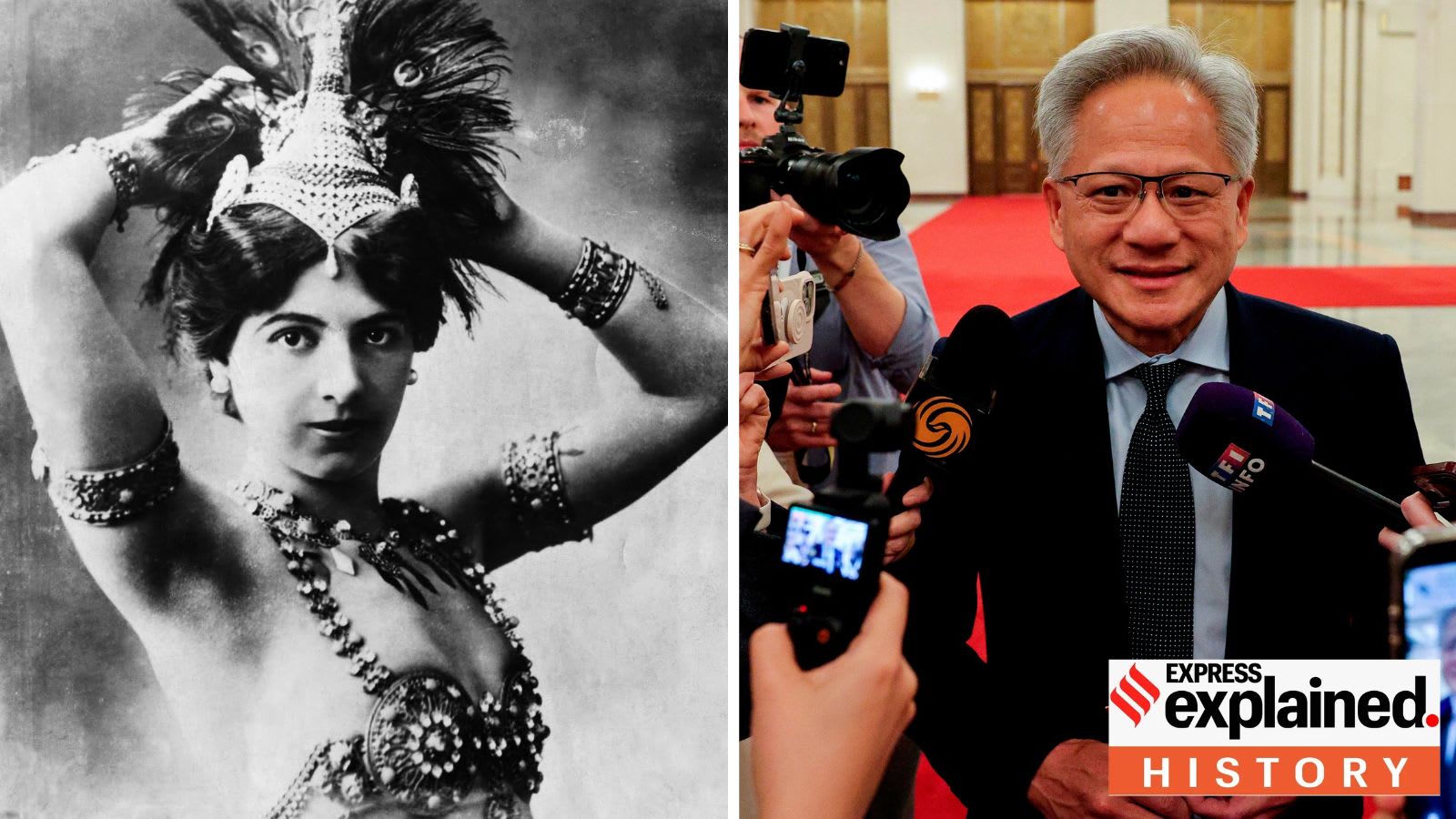
The historical tactic of 'honeytrapping' uses personal relationships to gather intelligence or influence powerful figures. From Roald Dahl's WWII-era espionage to modern corporate concerns, this method remains a persistent threat in global affairs.
The Enduring Shadow of the Honeypot
The practice of 'honeytrapping'—using romantic or social intimacy as a tool for intelligence gathering—has long occupied a complex space between statecraft and manipulation. While often associated with the intrigue of the Cold War, the tactic has roots that extend deep into the 20th century. A striking example involves the legendary children’s author Roald Dahl, who, during World War II, operated as an undercover agent for British intelligence. Using his charm and status as a former Royal Air Force pilot, Dahl infiltrated the highest echelons of American society, including political and social circles, to monitor anti-British sentiment.
Intelligence Through Intimacy
The case of Roald Dahl illustrates the classic 'honeypot' model, where an operative leverages personal charisma and social proximity to gain access to sensitive corridors of power. By courting influential figures such as Congresswoman Clare Boothe Luce and socialite Millicent Rogers, Dahl was able to extract information and gauge the political temperature of a critical ally. This historical account serves as a reminder that intelligence collection is not merely about technical surveillance; it is fundamentally about human connection and the exploitation of trust.
The Evolution of Influence
As the geopolitical landscape shifted following the World Wars, the honeytrap evolved from a tool of wartime diplomacy to a staple of clandestine operations. Nations have historically used these methods to compromise officials, extract state secrets, or exert leverage over foreign policy. The efficacy of the honeypot lies in its ability to bypass traditional security protocols by targeting the human element—the one vulnerability that technology cannot fully patch or secure.
Modern Risks and Corporate Espionage
In the contemporary era, the threat landscape has expanded beyond national security into the corporate sector. As business leaders and technology executives become as influential as heads of state, they increasingly find themselves in the crosshairs of global espionage. The recent discourse surrounding high-profile figures like Jensen Huang underscores that the 'honeytrap' is no longer confined to the battlefield or the embassy; it is now a concern for global commerce and technological dominance.
The Geopolitical Implications
Whether in the context of India-Pakistan relations or the fierce competition for technological supremacy, the use of honeytrapping remains a persistent, if often denied, facet of international relations. It creates a climate of paranoia and skepticism that can hinder diplomatic progress. When trust is weaponized, the ability for nations or corporations to engage in transparent negotiation is severely compromised, leading to a cycle of defensive measures and counter-intelligence efforts.
Conclusion: A Legacy of Suspicion
Ultimately, the history of the honeypot is a history of the fragility of human power. From the cocktail circuits of the 1940s to the digital boardrooms of today, the fundamental vulnerability remains the same: the desire for connection, validation, and intimacy. As long as these human traits are utilized as vectors for influence, the honeytrap will remain a critical, albeit dark, component of our global intelligence architecture.