Holden's Lightning Flight
Source Entity
Hacker News
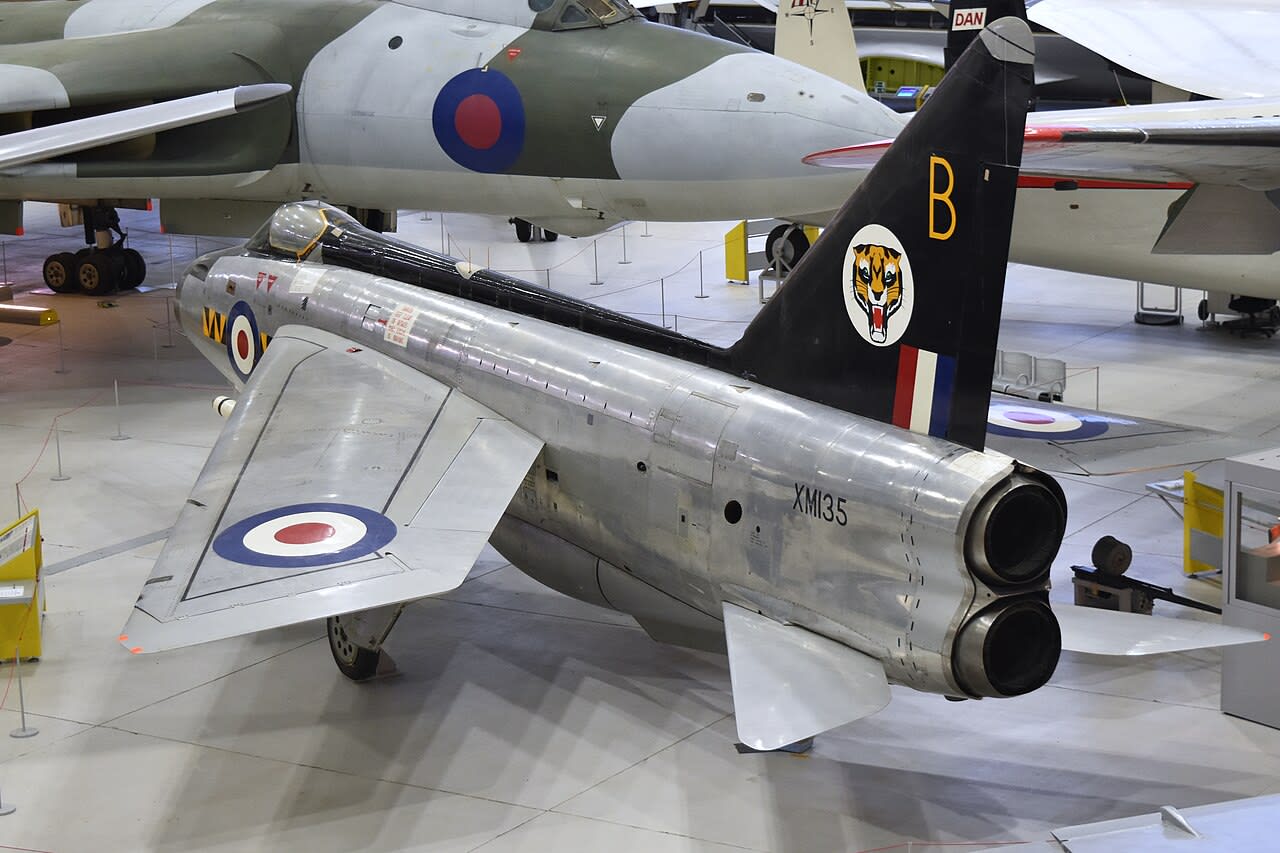
The English Electric Lightning XM135 was a high-performance interceptor plagued by a recurring electrical fault during takeoff. The issue involved the failure of the primary inverter, necessitating a reliance on standby systems during critical flight phases.
The Engineering Challenges of the English Electric Lightning
The English Electric Lightning remains one of the most iconic aircraft in British aviation history, primarily due to its status as a high-performance, short-range interceptor. Designed for rapid climb rates and supersonic speed, the Lightning pushed the boundaries of 1950s aerospace engineering, capable of reaching speeds of Mach 2.0. However, the pursuit of such performance often introduced complex maintenance and reliability issues, particularly regarding the aircraft's intricate electrical systems.
The Specific Case of XM135
The incident concerning the second production Lightning, designated XM135, highlights the precarious nature of early supersonic jet operations. This specific airframe suffered from a persistent electrical fault that proved notoriously difficult to isolate. The malfunction was uniquely tied to the physical stresses of takeoff, specifically manifesting only during the acceleration phase. This created a significant operational bottleneck, as the primary electrical inverter would fail within the first few yards of the takeoff roll.
Critical Systems and Redundancy
In high-performance interceptors like the Lightning, the electrical inverter is a vital component, as it converts DC power to the AC power required for flight instruments and navigation systems. The reliance on a standby inverter—which was designed to switch in automatically when the primary failed—represented a necessary redundancy. However, the fact that this switch-over was required on every takeoff for XM135 meant that the aircraft was essentially operating on a secondary system before it even left the ground, introducing an unacceptable level of risk for routine test flights.
Operational Implications and Unit Readiness
The persistence of this fault had tangible effects on the operational readiness of the unit. The inability to resolve the issue in a timely manner led to the delay of unit closure proceedings. Because the fault was specific to the acceleration phase, it required specialized testing to diagnose, and the absence of a designated test pilot for a week exacerbated the backlog. This situation underscores the logistical dependencies inherent in military aviation, where the unavailability of a single qualified pilot can halt the technical evaluation of a critical asset.
Historical Context and Technical Legacy
The Lightning was a product of a Cold War era that demanded rapid technological evolution, often at the expense of long-term reliability. The story of XM135 serves as a microcosm for the broader challenges faced by the Royal Air Force (RAF) and manufacturers during this period. The collaboration between different units, such as the involvement of personnel from RAF Boscombe Down to assist with the testing process, illustrates the interconnected nature of military aviation research and the necessity of cross-departmental expertise to solve persistent mechanical anomalies.
Conclusion
Ultimately, the issues surrounding the English Electric Lightning XM135 provide a valuable case study in the complexities of mid-20th-century jet aircraft maintenance. The reliance on automated backup systems to circumvent primary component failure during the critical takeoff phase was a testament to both the clever design of the period and the inherent dangers of pushing the performance envelope. The resolution of such issues was essential for maintaining the airworthiness of the fleet and ensuring the safety of pilots tasked with operating these powerful interceptors.