All the EVs that were discontinued or killed off in the U.S. this year
Source Entity
Kirsten Korosec
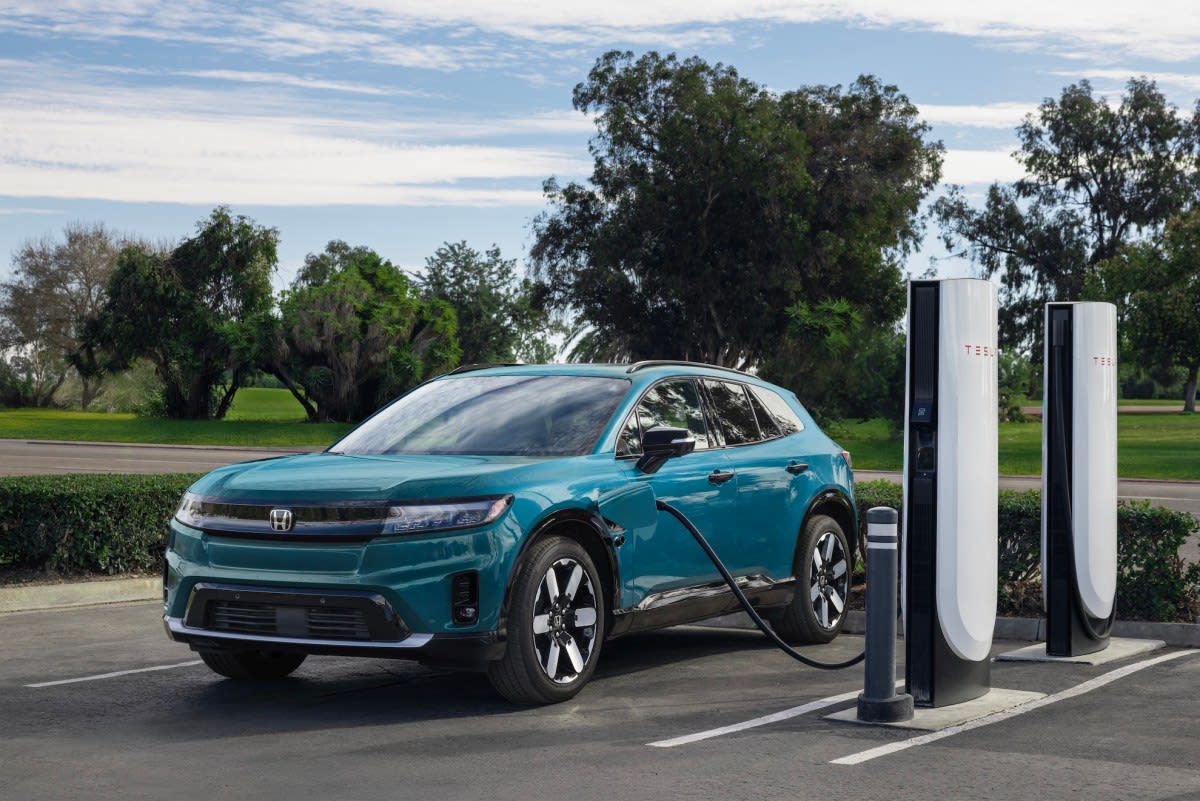
Honda has discontinued the Prologue, marking the end of its current all-electric vehicle offerings in the U.S. market. This move reflects a broader industry trend where automakers are retreating from EV portfolios due to shifting tax credits, high costs, and changing consumer demand.
The Strategic Retreat: Honda’s Exit from the U.S. EV Market
The automotive industry is currently witnessing a significant pivot, highlighted by Honda’s confirmation that the Prologue will no longer be sold in the United States. This decision effectively removes the brand’s last all-electric offering from its American portfolio, signaling a major shift in corporate strategy. While the Prologue was intended to serve as a bridge into the electric era, its departure reflects a growing trend among legacy automakers reconsidering their immediate commitment to the U.S. electric vehicle (EV) segment.
The Impact of Federal Policy and Economic Headwinds
A primary driver behind this shift is the volatile landscape of federal incentives. The expiration and subsequent restructuring of the $7,500 federal tax credit have created a cooling effect on consumer demand. For many manufacturers, the loss of these subsidies has made the already thin margins of EV production even more unsustainable. As price sensitivity remains a major hurdle for American buyers, the removal of government-backed financial incentives has forced companies to reassess whether their current EV lineups can remain competitive without substantial losses.
Market Dynamics and Consumer Preferences
Beyond federal policy, the U.S. market is proving to be a unique challenge compared to global counterparts. Changing consumer tastes, characterized by a lingering hesitation toward EV infrastructure and range anxiety, have stalled the momentum that many manufacturers expected to see by this point in the decade. Honda’s decision is not an isolated incident but part of a larger, systemic winnowing of vehicle choices available to U.S. consumers. Automakers are increasingly prioritizing profitability over market share in the EV space, leading to a leaner selection of models.
Regulatory Pressures and Global Trade
The complexity of the current market is further compounded by external factors, including international tariffs and shifting corporate priorities. The automotive sector is currently balancing the high capital expenditure required for electrification with the reality of supply chain constraints and trade policies that impact production costs. For companies like Honda, aligning global production capabilities with the specific, often fluctuating, regulatory requirements of the U.S. market has become an exercise in risk management rather than aggressive expansion.
A Broader Industry Correction
This retreat represents a broader industry correction. According to data from Kelley Blue Book and Cox Automotive, the landscape is shifting as companies navigate a cooling period in EV adoption. The departure of the Honda Prologue serves as a bellwether for the industry, suggesting that the initial, optimistic push toward full electrification is being met with a more pragmatic, slow-growth reality. Manufacturers are now forced to weigh the long-term benefits of battery-electric vehicle development against the short-term financial instability of the American market.
Future Outlook and Strategic Rebalancing
Looking ahead, the industry will likely see a period of consolidation. Automakers are expected to focus on hybrid technologies or more cost-effective EV platforms rather than pushing early-generation models that struggle to gain market traction. The exit of the Prologue does not necessarily mean an end to Honda’s electric ambitions, but it does signal a tactical withdrawal until the economic and regulatory environment in the U.S. becomes more favorable. The coming years will be defined by how quickly manufacturers can align their product roadmaps with the actual, rather than projected, consumer appetite for electric mobility.