As Honda CR-V leads U.S. sales, automaker teases new American-built pickup truck
Source Entity
US Top News and Analysis
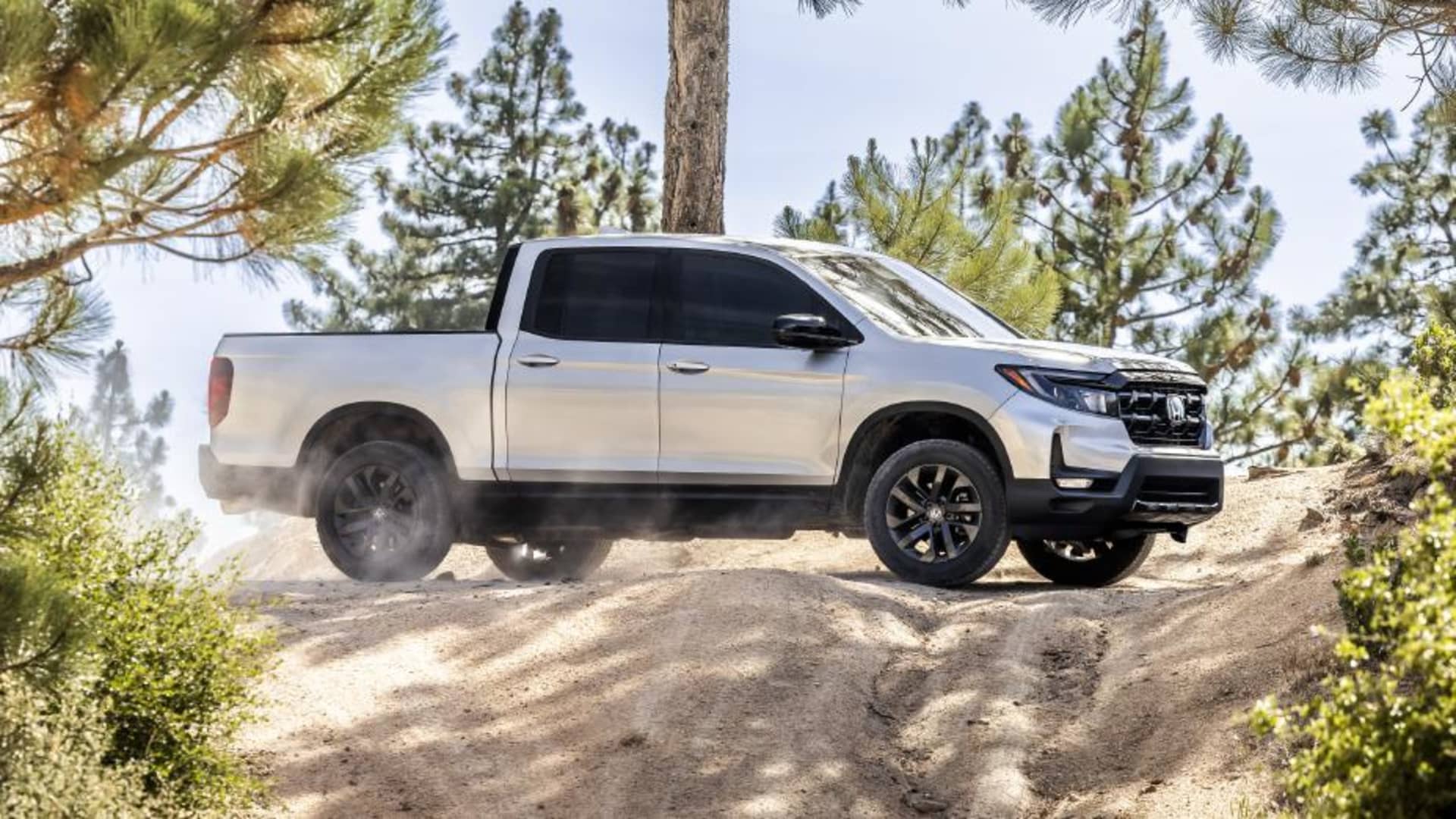
Honda has confirmed a temporary production pause for its Ridgeline pickup truck at its Alabama plant to address regulatory compliance issues. The automaker plans to resume assembly of a next-generation model by 2028 to maintain its market presence.
Honda's Strategic Pivot: Navigating Regulatory Challenges in the Midsize Truck Market
The Ridgeline's Future and Production Realignment
Honda Motor has officially confirmed that its Ridgeline pickup truck will undergo a temporary production stoppage at its Alabama manufacturing facility later this year. This decision marks a critical turning point for the Japanese automaker, which has long utilized the Alabama plant as a hub for its North American light truck production. While production will cease in the interim, Honda has explicitly stated that the assembly of a next-generation Ridgeline model will return to the same facility, with expectations set for a 2028 relaunch.
Regulatory Pressures and Compliance
The transition period for the Ridgeline is not merely a routine manufacturing update but a direct response to evolving environmental standards. Reports indicate that the production pause is necessitated by the vehicle’s current inability to meet strict California emissions regulations. As the U.S. automotive market shifts toward more stringent environmental mandates, legacy vehicle platforms often face significant hurdles. Honda’s decision to pause rather than discontinue the model underscores the complexity of balancing performance expectations with increasingly rigorous state-level emissions standards.
The Competitive Landscape: CR-V vs. Ridgeline
This announcement arrives at a time when Honda’s overall portfolio is experiencing divergent performance metrics. While the Honda CR-V continues to lead the automaker’s U.S. sales, serving as a pillar of their market success, the midsize pickup segment remains a distinct challenge. The Ridgeline holds a specific niche among consumers who value the utility of a truck paired with the comfort of a unibody construction. By prioritizing the next-generation Ridgeline, Honda is attempting to reconcile its need for regulatory compliance with the requirement to retain a loyal customer base that has historically supported the model.
Implications for the Alabama Workforce and Supply Chain
Temporary production stoppages carry significant logistical and economic weight, particularly for a major production hub like the Alabama facility. The two-year window between the upcoming stoppage and the projected 2028 return suggests that Honda is likely retooling the plant to accommodate new powertrain technologies or platform architectures that comply with future emissions requirements. This period of inactivity serves as a bridge for the company to modernize its manufacturing processes while ensuring that the next iteration of the Ridgeline meets both environmental and consumer demands.
Long-term Outlook and Market Strategy
Lance Woelfer, vice president of auto sales at American Honda Motor, has reiterated the company’s commitment to its loyal Ridgeline customers. This messaging is vital for brand retention in the highly competitive midsize truck segment, where consumers often display high brand affinity. By signaling a clear, albeit delayed, return to production, Honda is attempting to prevent customer migration to competitors. As the industry moves toward 2028, the success of this strategy will depend on Honda's ability to innovate within the confines of California's regulatory framework while maintaining the core identity of the Ridgeline.