Is your hospital overbilling you? 7 charges to check before you pay
Source Entity
Tabshir Shams
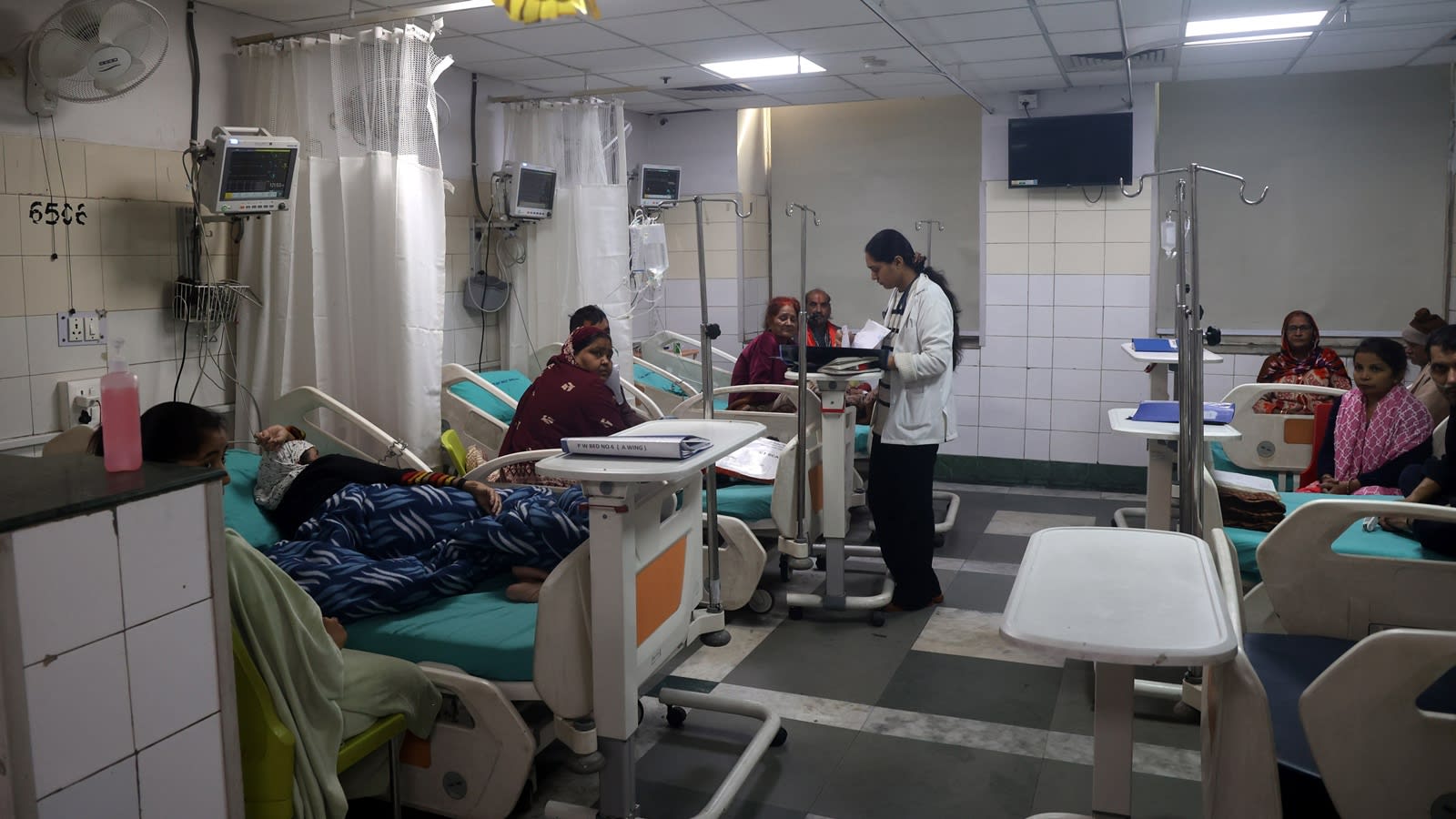
Patients are increasingly scrutinizing complex hospital bills to identify hidden costs and billing discrepancies. Experts advise reviewing specific line items like consumable charges and RMO fees to ensure transparency and avoid overpayment.
The Hidden Complexity of Hospital Billing
Navigating the labyrinthine structure of a hospital bill is a daunting challenge for patients already burdened by the emotional and physical toll of medical treatment. Often running into lakhs, these invoices are frequently presented in formats that obscure the actual nature of the services rendered. When a patient or family member receives a final statement, the lack of clarity can transform a medical crisis into a financial one, necessitating a rigorous audit of every line item before payment is finalized.
Identifying Common Billing Anomalies
Financial discrepancies in healthcare billing are rarely the result of overt fraud; instead, they often manifest as subtle, systemic errors. A common issue involves the inclusion of Resident Medical Officer (RMO) fees that lack professional attribution, making it impossible for the patient to verify if the service was actually performed. Furthermore, the practice of billing nursing charges as a separate entity from room rent often results in double-charging for services that should be bundled, inflating the total cost without providing additional value to the patient.
The 'Consumable' Cost Trap
One of the most persistent issues in hospital billing involves consumables—items like gloves, syringes, and sterilization supplies. Hospitals often charge these at a premium, far exceeding their actual market value. When patients see these items itemized separately, they are rarely equipped to challenge the pricing, yet these small, scattered costs can accumulate into a significant portion of the total bill. Scrutinizing these line items is essential for families to ensure they are not being overcharged for basic medical supplies.
Transparency and Diagnostic Integrity
Beyond service fees, patients must also be vigilant regarding diagnostic testing. There have been instances where patients are billed for diagnostic procedures but are never provided with the corresponding reports or physical films. This lack of documentation not only raises questions about the validity of the charge but also compromises the continuity of care. Demanding proof of service for every diagnostic test is a critical step in holding medical institutions accountable for their billing practices.
The Impact of Social Awareness and Digital Scrutiny
Social media platforms like X have become unlikely venues for healthcare reform, where patients share redacted bills to highlight questionable practices. This digital scrutiny exerts pressure on hospitals to provide more transparent, itemized statements. As patients become more vocal about their experiences, the healthcare industry may be forced to adopt standardized billing practices that prioritize clarity over complexity.
Empowering Patients for Future Security
To protect against financial exploitation, patients should adopt a proactive approach: requesting a detailed, itemized bill before discharge, questioning vague entries like 'miscellaneous charges,' and cross-referencing every fee with their insurance policy coverage. By systematically verifying these charges, patients can mitigate the risk of overpayment, ensuring that their financial resources are directed toward genuine medical care rather than administrative errors.