Very hot drinks may damage the food pipe and increase cancer risk
Source Entity
BBC News
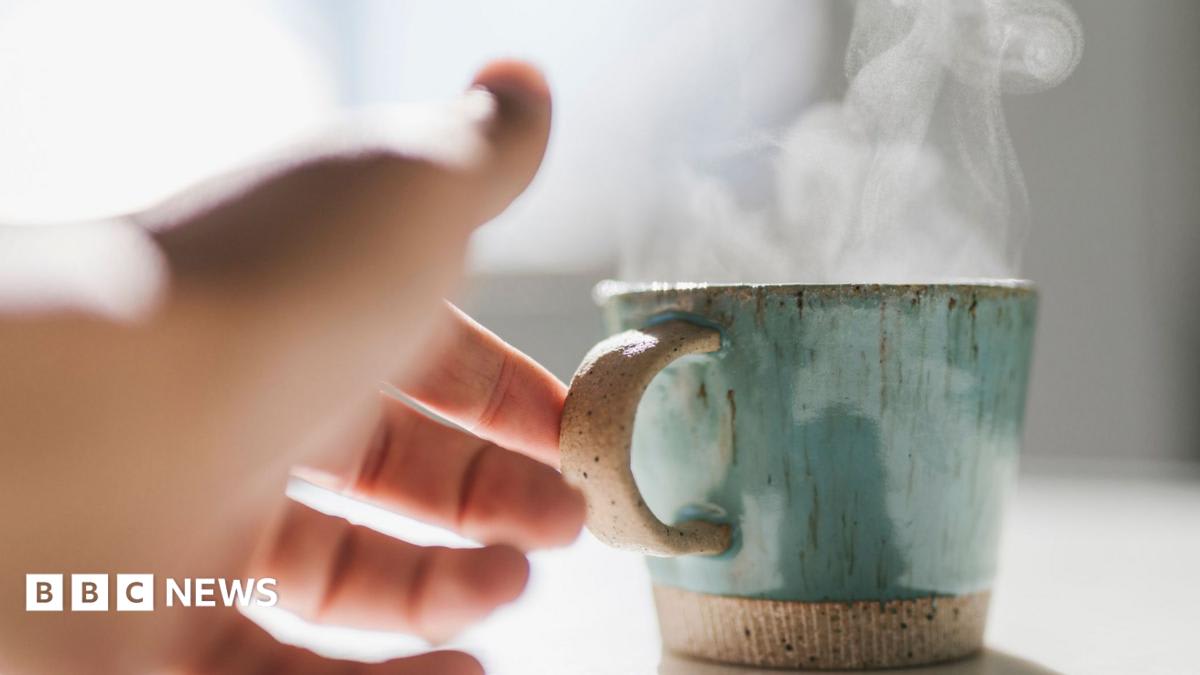
Research from Oxford University suggests that consuming beverages at 65 degrees Celsius or hotter can damage the esophagus and increase cancer risk. Experts recommend allowing hot drinks to cool for several minutes before consumption to mitigate potential long-term harm.
The Hidden Dangers of Hot Beverages
Recent research published in the International Journal of Cancer by experts at Oxford University has brought to light a significant public health concern: the temperature at which we consume our daily hot drinks. The study, which analyzed data from nearly one million middle-aged individuals, identifies a clear correlation between the ingestion of liquids at 65 degrees Celsius (149 degrees Fahrenheit) or higher and an increased risk of esophageal damage and potential cancer development.
Understanding the Thermal Mechanism
When a beverage is consumed at these extreme temperatures, it acts as a thermal irritant to the delicate mucosal lining of the esophagus. The physical damage caused by the heat can lead to chronic inflammation as the cells attempt to repair themselves repeatedly. Over time, this cycle of injury and repair is believed by researchers to create an environment conducive to cellular mutations, thereby elevating the risk of malignancy in the food pipe.
The Kettles and Cups Dilemma
Many consumers are unaware of the extreme temperatures involved in common kitchen practices. Water boiled in a standard electric kettle reaches 100 degrees Celsius (212 degrees Fahrenheit). Even after being poured into a cup, the liquid often retains a temperature between 90 and 95 degrees Celsius. This is significantly higher than the 65-degree safety threshold defined by the study, meaning that a freshly brewed cup of tea or coffee is almost certainly hazardous if consumed immediately.
The Role of Habit and Additives
Beyond the temperature itself, the study highlights that frequency plays a critical role. Consuming six or more hot drinks daily significantly compounds the risk, as the esophagus is subjected to repeated thermal stress throughout the day. While many believe that adding milk can neutralize this risk, researchers warn that milky coffee or tea often remains well above the dangerous temperature limit, providing a false sense of security to the consumer.
Practical Recommendations for Daily Health
The consensus among health experts is not to abstain from hot beverages, but rather to alter consumption habits. The most effective mitigation strategy is simple: patience. Waiting a few minutes for a beverage to reach a temperature below 65 degrees Celsius allows the liquid to reach a safer state. While organizations like Cancer Research UK note that it is difficult to define an exact 'waiting time' due to variables like cup material and ambient temperature, the overarching advice remains the same: let it cool.
Implications for Long-term Wellness
This research serves as a reminder that even mundane, daily habits can have long-term physiological consequences. As we gain a deeper understanding of how heat-induced cellular damage functions, it becomes clear that prioritizing beverage temperature is a low-effort, high-impact adjustment for esophageal health. By simply allowing our drinks to reach a moderate temperature, we can continue to enjoy our rituals while significantly reducing unnecessary risk to our digestive tract.