Tamil Nadu government announces multi-pronged mission to reduce salt intake among people
Source Entity
India Latest News: Top National Headlines Today & Breaking News | The Hindu
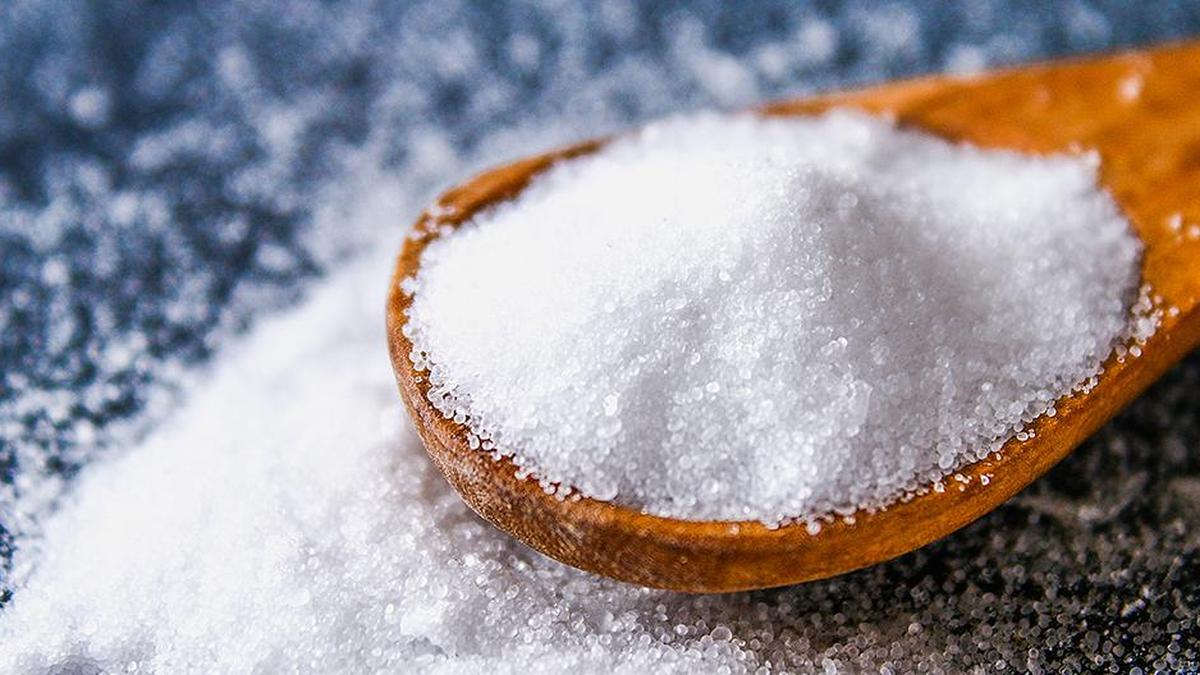
The Tamil Nadu government has launched a statewide mission to reduce daily salt consumption, aiming to curb rising rates of hypertension and cardiovascular disease. This initiative aligns with WHO guidelines as officials seek to address the state's significant burden of non-communicable diseases.
Tamil Nadu’s Strategic Public Health Offensive Against Salt
In a significant legislative move, Tamil Nadu Minister for Health and Family Welfare K.G. Arunraj announced a comprehensive, statewide mission aimed at curbing excessive salt consumption among the populace. This initiative, unveiled in the Legislative Assembly on September 8, 2026, marks a pivotal shift in the state's approach to preventative medicine. By targeting dietary habits, the government is attempting to tackle the root cause of the state's most pressing public health crises, moving beyond reactive treatment toward proactive population-level health management.
The Silent Crisis: Hypertension and Cardiovascular Disease
The urgency of this mission is underscored by alarming health statistics currently impacting Tamil Nadu. With approximately 1.8 crore citizens currently living with hypertension, the state is grappling with a widespread health burden that places immense pressure on its healthcare infrastructure. Furthermore, the data reveals that nearly 50% of all medically certified deaths in the region are directly attributable to cardiovascular diseases. These figures highlight the critical intersection between lifestyle choices and mortality, validating the government's decision to intervene in dietary patterns.
Aligning with Global Health Standards
Central to this policy is the strict adherence to the World Health Organization (WHO) guidelines, which mandate a daily salt intake of less than five grams per person. Scientific assessments indicate that the average resident of Tamil Nadu currently consumes between seven and eight grams of salt daily—a significant deviation from the recommended threshold. This surplus consumption is a primary driver behind the state's high incidence of non-communicable diseases, including strokes, chronic kidney disorders, and heart-related complications.
A Multi-Pronged Approach to Behavioral Change
Addressing dietary habits on a state-wide scale is an exceptionally complex challenge that requires more than simple public awareness. The government’s 'multi-pronged mission' suggests a strategy that likely encompasses public education, collaboration with food manufacturers to reduce sodium content in processed goods, and community-based interventions. By focusing on the systemic availability of high-sodium foods, the government aims to foster an environment where healthier choices are the default option for the average citizen.
Long-Term Implications and Public Health Outcomes
If successfully implemented, this initiative has the potential to serve as a model for other Indian states facing similar epidemiological transitions. The shift from infectious diseases to chronic, non-communicable conditions is a defining feature of modern Indian public health. By reducing the salt intake of the general population, the state aims to significantly decrease the incidence of hypertension, thereby reducing the long-term strain on hospital resources and improving the overall quality of life for millions of citizens.
Conclusion
The Tamil Nadu government's initiative is a necessary and evidence-based response to the growing burden of lifestyle-related diseases. By acknowledging the gap between current consumption habits and global health benchmarks, the state is taking a decisive step toward mitigating the prevalence of cardiovascular and kidney-related ailments. The success of this mission will ultimately depend on the consistent application of these dietary guidelines and the sustained cooperation of the public in adopting healthier nutritional practices.
Verification Required?