‘No influencers’: the hotels, restaurants and beauty spots restricting photoshoots
Source Entity
Lauren Cochrane
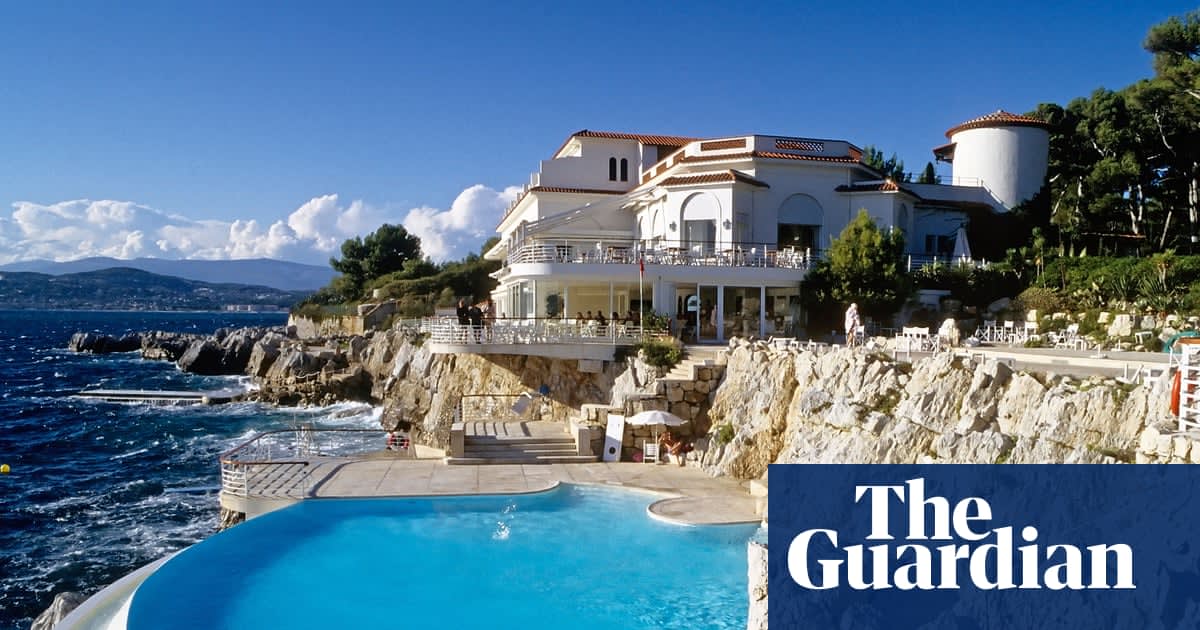
Luxury establishments like the Hotel du Cap-Eden-Roc are implementing strict bans on unauthorized photoshoots to curb disruptions caused by influencers. This trend reflects a growing movement among high-end venues to prioritize guest privacy and authentic experiences over social media exposure.
The Rise of Anti-Influencer Policies in Luxury Hospitality
In an era where social media validation often dictates the popularity of travel destinations, the hospitality industry is witnessing a significant paradigm shift. High-end venues, exemplified by the prestigious Hotel du Cap-Eden-Roc in Antibes, are increasingly implementing strict regulations against unauthorized photoshoots. This move marks a departure from the previous decade, where establishments actively courted social media exposure to boost their visibility and attract a younger, digital-native demographic.
The Erosion of Guest Experience
The primary driver behind these bans is the preservation of the guest experience. For luxury properties that command premium prices, the promise of exclusivity and tranquility is paramount. When common areas—such as iconic infinity pools or dining rooms—are hijacked by individuals with ring lights, multiple outfit changes, and professional cameras, the atmosphere shifts from a leisure environment to a production set. This disruption alienates traditional guests who seek privacy and relaxation, forcing establishments to choose between viral reach and brand integrity.
Economic Disruption and Operational Challenges
The economic reality of these 'influencer-style' visits is also problematic for businesses. Reports indicate that visitors are booking lunch reservations not to dine, but to utilize the premises as a free studio. By occupying prime seating for hours while focusing on content creation rather than consumption, these individuals prevent paying customers from accessing services and disrupt the workflow of waitstaff. This misuse of hospitality infrastructure has necessitated a change in policy, requiring prior permission for any professional or semi-professional photography.
A Broader Trend of Digital Boundaries
This trend is not limited to isolated hotels; it is part of a growing global movement to reclaim public and private spaces from the 'Instagrammability' trap. Beauty spots and historical locations worldwide are facing similar pressures, where the sheer volume of visitors aiming for the 'perfect shot' leads to overcrowding and physical degradation of sites. By setting boundaries, venues are signaling that they are no longer willing to sacrifice their operational norms for the sake of social media engagement.
Future Implications for Marketing
Moving forward, luxury brands will likely adopt a more curated approach to influencer marketing. Rather than allowing organic, disruptive content creation, properties will likely favor formal, vetted collaborations. This transition suggests that the 'wild west' era of social media marketing in hospitality is closing, replaced by a model that values exclusivity and controlled optics. As more businesses follow the lead of the Hotel du Cap-Eden-Roc, we can expect a normalization of 'no-photography' zones in high-end environments, fundamentally changing how travel and luxury are documented online.