Households braced for soaring energy bills with new price cap to be announced
Source Entity
BBC News
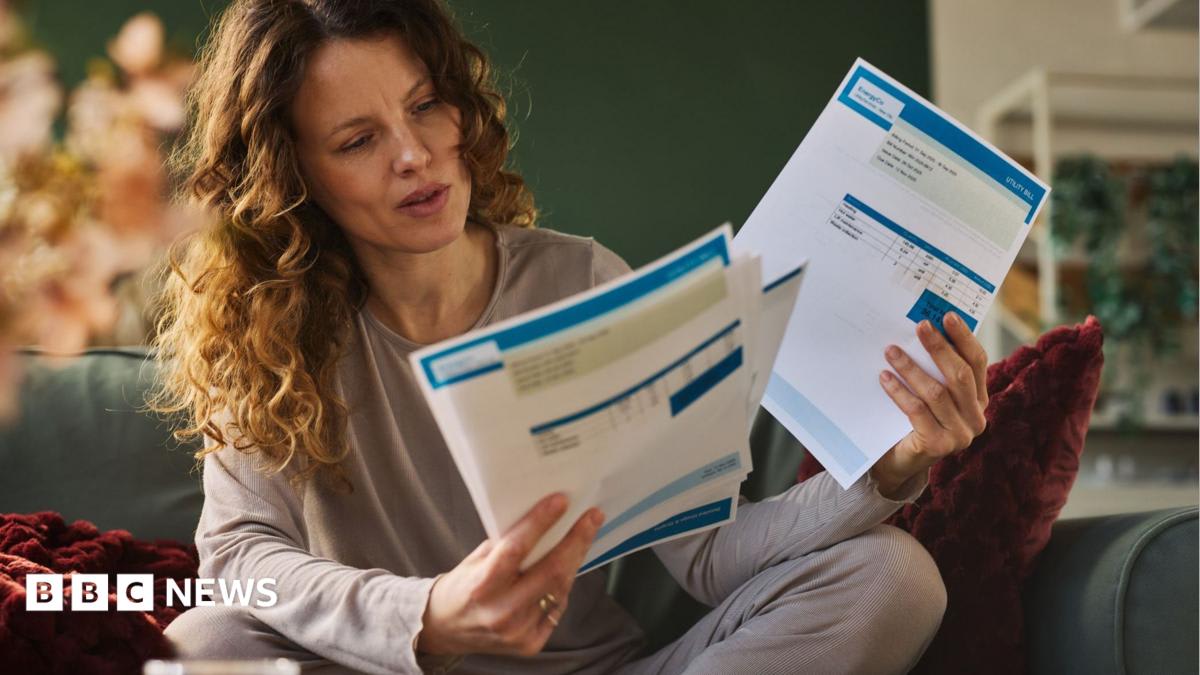
Millions of households face a significant rise in energy bills this January as Ofgem prepares to adjust the price cap. While government support measures like the £100 payment and Warm Home Discount are in place, experts warn of increasing fuel poverty.
The Impending Energy Cost Crisis
Millions of households across the nation are preparing for a difficult winter as domestic energy bills are set to rise significantly in January. The regulator, Ofgem, is expected to announce a new price cap that will dictate the maximum cost per unit of energy. This adjustment comes at a precarious time, as the increase coincides with the peak of the winter season, when energy consumption typically reaches its annual zenith due to heating requirements.
Analyzing the Forecast
Industry experts at Cornwall Insight have provided a sobering forecast, projecting that a typical annual energy bill could surge by as much as 26% in the new year. This prediction highlights the volatility of the energy market and the direct impact of regulatory cap adjustments on the average family budget. Because the cap sets the ceiling for what suppliers can charge, the official announcement from Ofgem is the final indicator of the financial burden households will face in the coming months.
The Impact on Vulnerable Populations
There is deep concern regarding the socioeconomic repercussions of this price hike. Charities and energy suppliers are bracing for a potential rise in consumer debt, with many households struggling to maintain their payments as costs scale upwards. The convergence of higher bills and the coldest months of the year creates a dangerous environment where energy poverty may become a reality for those on limited incomes, necessitating a surge in emergency support services.
Government Mitigation Strategies
In response to the looming crisis, the government has implemented a series of relief measures. A one-off payment of £100 is being distributed to millions of households to mitigate winter expenses. Furthermore, the ongoing reduction of VAT on electricity remains a key component of the state’s strategy to lower the overall financial load on consumers. These interventions are designed to act as a buffer against the sharpest edges of the price cap increase.
Targeted Support and Long-term Implications
Beyond general assistance, the government is utilizing the Warm Home Discount scheme, which provides a £150 credit to approximately six million households currently receiving benefits. This targeted approach acknowledges that the lowest-income families are disproportionately affected by energy inflation. While these measures offer a temporary reprieve, they underscore the broader, systemic challenge of energy affordability in a market where consumers pay strictly for what they use, leaving them vulnerable to external price fluctuations.
Concluding Outlook
As the January deadline approaches, the focus remains on how effectively these support packages will offset the 26% predicted rise. The situation serves as a stark reminder of the fragile balance between utility market stability and the standard of living for the general public. As Ofgem finalizes its cap, the efficacy of government policy will be tested against the reality of household financial health during the coldest months of the year.