September data shows housing market in a deep freeze
Source Entity
US Top News and Analysis
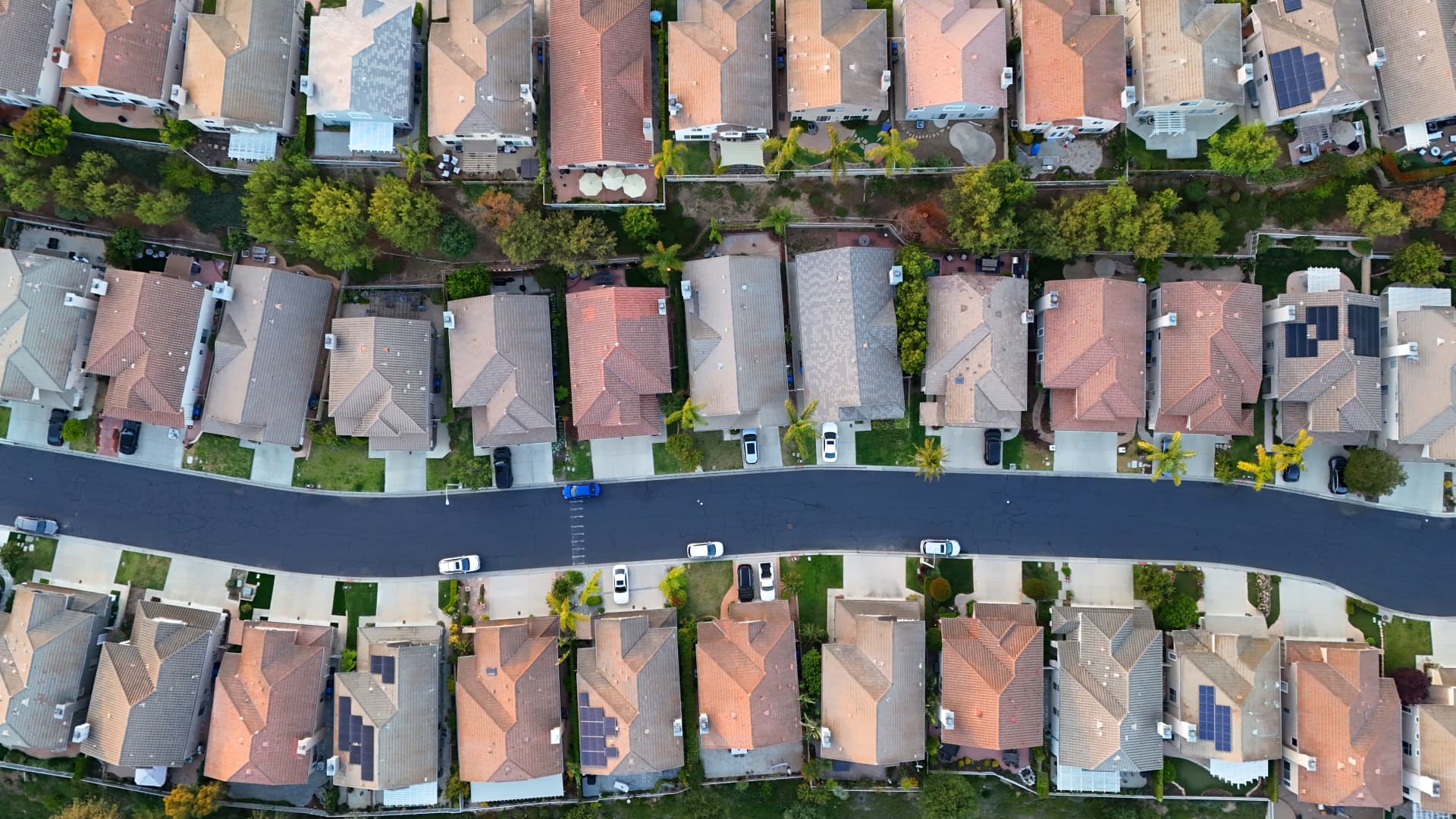
The U.S. housing market has hit a 25-year low in pending home sales as rising mortgage rates continue to suppress buyer activity. Goldman Sachs and industry analysts anticipate further declines as affordability remains under severe pressure.
The U.S. Housing Market: A Prolonged Deep Freeze
The American housing market is currently enduring a period of stagnation that has persisted for three years, with housing starts and transaction volumes remaining essentially flat. Recent data from September underscores a deepening crisis, as market indicators across the board—including construction, sales, and consumer sentiment—have underperformed relative to expectations. This deterioration is primarily driven by the aggressive upward trajectory of mortgage rates, which have consistently hovered above the 7% threshold.
The Impact of Surging Mortgage Rates
In September, the economic environment for prospective homebuyers worsened significantly. According to data from Mortgage News Daily, the average 30-year fixed mortgage rate escalated from approximately 6.8% at the start of the month to a staggering 7.6% by its conclusion. This rapid rise acted as a prohibitive barrier for many potential buyers, effectively chilling demand. Lawrence Yun of the National Association of Realtors has noted that while broader economic factors like job growth and income gains typically bolster the market, their positive influence is currently being overwhelmed by the volatility and high cost of financing.
Record-Breaking Decline in Pending Sales
Perhaps the most alarming indicator is the precipitous drop in pending home sales. As a forward-looking metric that tracks signed contracts on existing homes, this figure provides a clear snapshot of market health. In September, pending home sales plummeted by 7.3% from August and recorded an 11.3% decline year-over-year. This has resulted in the lowest level of contract signings in 25 years, signaling that buyers are increasingly retreating from the market in the face of unsustainable borrowing costs.
Goldman Sachs’ Bearish Outlook
Financial analysts at Goldman Sachs have issued a stark warning, suggesting that the current "rough" state of the housing market is likely to deteriorate further. The firm’s assessment highlights that even after three years of stagnation, there is no immediate recovery in sight. The combination of high interest rates and low inventory creates a structural impasse, where sellers are hesitant to list their properties and buyers are priced out of the market, leading to a liquidity trap.
Broader Economic Implications
This housing market freeze carries significant implications for the broader U.S. economy. Because the real estate sector is a vital engine for economic activity, influencing everything from construction employment to consumer spending on durable goods, a sustained downturn could have ripple effects. The lack of transaction volume limits the turnover of existing housing stock and prevents the market from reaching a new equilibrium, further complicating affordability for a generation of potential homeowners.
Future Trends and Concluding Summary
Looking ahead, the market appears trapped in a cycle where mortgage rates dictate the pace of activity. Unless there is a substantial shift in the interest rate environment or a significant correction in home prices to offset borrowing costs, the "deep freeze" is expected to persist. In summary, the confluence of record-low contract signings, climbing interest rates, and pessimistic institutional forecasts suggests that the housing market will remain a major hurdle for the economy in the immediate future.