Mojtaba’s revenge play? MBS’ worst nightmare comes true after Houthis & 'Iraqi ghosts' hit oil infra
Source Entity
Latest News: Todays Latest News Headlines from India & World | Hindustan Times | Hindustan Times
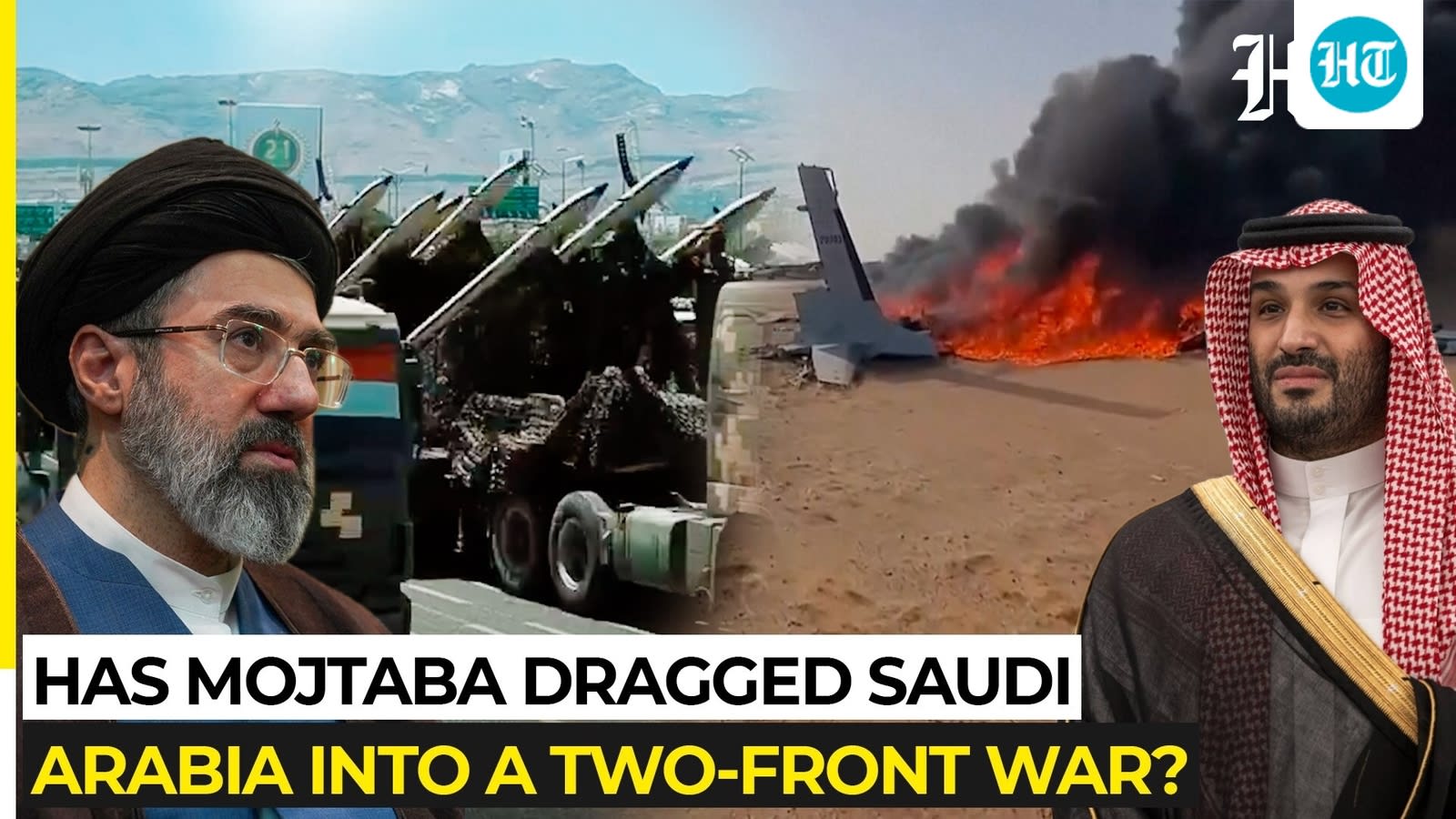
Houthi rebels have claimed the downing of a Saudi drone and launched fresh strikes on Saudi oil infrastructure. These developments highlight escalating regional tensions and the ongoing threat posed by drone warfare in the Gulf.
Escalating Aerial Warfare in the Gulf
The ongoing conflict in Yemen has entered a volatile new phase, characterized by an increasing reliance on unmanned aerial vehicle (UAV) technology. Houthi rebels have recently released footage purporting to show the downing of a Saudi Arabian drone over Yemeni territory. While the claim remains unverified and Saudi authorities have yet to issue an official confirmation, the incident highlights the persistent and dangerous military activity defining the region.
The Strategic Threat to Infrastructure
Beyond individual skirmishes, the broader conflict has manifested in direct threats to critical energy infrastructure. Reports indicate that Houthi forces have launched drone attacks targeting Saudi oil facilities. These strikes, which Riyadh asserts were intercepted by defensive systems, represent a significant escalation in the regional power struggle. By targeting the economic backbone of the Saudi state, these militias are attempting to exert maximum pressure on the kingdom and its regional allies.
Geopolitical Alliances and Regional Stability
These developments have triggered a rapid diplomatic response, with nations such as Jordan and Qatar expressing solidarity with Saudi Arabia. This rallying of regional powers underscores the collective fear that the conflict could spiral into a wider, more devastating regional war. The involvement of alleged Iran-backed militias further complicates the diplomatic landscape, as accusations of external coordination continue to define the rhetoric between Riyadh and its adversaries.
The Technological Dimension of Modern Conflict
The use of drones by non-state actors like the Houthis marks a paradigm shift in asymmetric warfare. The ability to target high-value infrastructure or engage in anti-air combat with relatively inexpensive hardware has forced military powers to re-evaluate their defensive postures. The footage released by the rebels, regardless of its tactical veracity, serves as a potent psychological tool in an information war designed to project capability and challenge the perceived military superiority of the Saudi-led coalition.
Future Implications for the Gulf
As tensions persist, the potential for miscalculation remains high. The interplay between drone proliferation, proxy involvement, and the protection of global energy supplies creates a precarious environment for international security. Future trends will likely show an increased focus on counter-drone technologies (C-UAS) and tighter intelligence-sharing protocols among Gulf nations. Ultimately, the stability of the region rests on whether these tactical escalations can be contained or if they will continue to serve as catalysts for a broader, systemic failure of regional diplomacy.
Verification Required?