5 Dead After 7.1-Magnitude Earthquake Hits Japan
Source Entity
NDTV News Search Records Found 1000
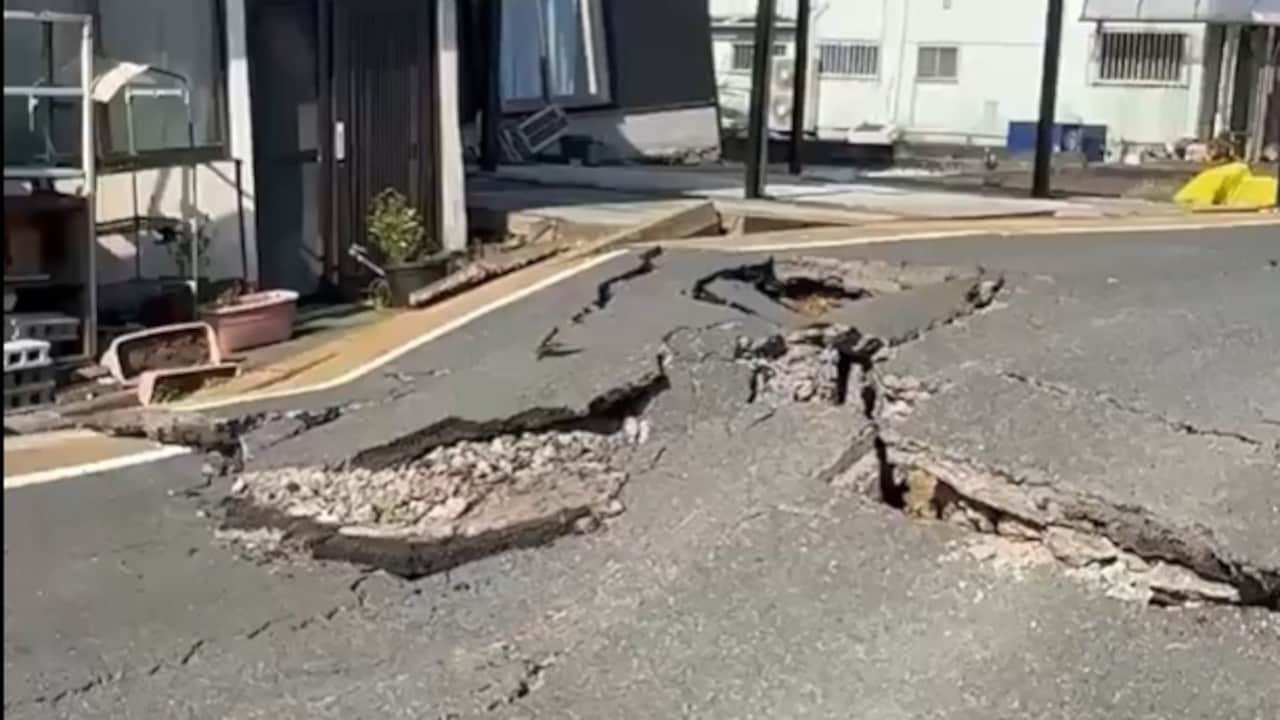
A 7.1-magnitude earthquake in Japan has resulted in five confirmed fatalities. The Fire and Disaster Management Agency reported the casualties following the seismic event.
Tragic Seismic Event Strikes Japan
On Wednesday, Japan was struck by a powerful 7.1-magnitude earthquake, a geological event that has tragically resulted in the loss of five lives. The official confirmation of these fatalities was provided by the Fire and Disaster Management Agency, marking a somber moment for a nation frequently tested by the volatile tectonic landscape of the Pacific Ring of Fire.
Understanding the Geological Context
Japan’s location at the convergence of several tectonic plates makes it one of the most seismically active regions on Earth. A 7.1-magnitude earthquake is classified as a major seismic event, capable of causing significant structural damage and posing immediate risks to human life. The sudden release of stress along fault lines often leads to aftershocks, which complicate rescue operations and increase the vulnerability of already damaged infrastructure.
The Role of Disaster Management
The Fire and Disaster Management Agency remains the central authority in coordinating emergency response efforts during such crises. Their rapid identification of casualties is a critical component of the country’s disaster preparedness protocol, which is widely considered among the most advanced in the world. By maintaining real-time tracking of affected populations, authorities can better allocate medical resources and search-and-rescue teams to high-impact zones.
Broader Implications and Public Safety
Beyond the immediate tragedy, events of this magnitude serve as a stark reminder of the ongoing challenge of living in a disaster-prone environment. Japan has invested billions in seismic-resistant engineering, including base-isolation systems for buildings and sophisticated early-warning networks. Despite these technological safeguards, the inherent unpredictability of earthquakes means that zero-risk environments are impossible to achieve, keeping the focus on constant vigilance and public drills.
Future Trends in Seismic Resilience
Looking ahead, the focus of Japanese authorities will likely shift toward post-disaster analysis to refine building codes and emergency communication systems. As urban density increases, the integration of AI-driven predictive modeling and improved sensor networks will be paramount in minimizing casualties. The resilience of the Japanese infrastructure will continue to be tested by these natural phenomena, necessitating a cycle of continuous improvement in public safety policy and disaster response coordination.
Verification Required?