Is Iran's Mojtaba on borrowed time? Trump reveals why he halted strikes and warns clock is ticking
Source Entity
Latest News: Todays Latest News Headlines from India & World | Hindustan Times | Hindustan Times
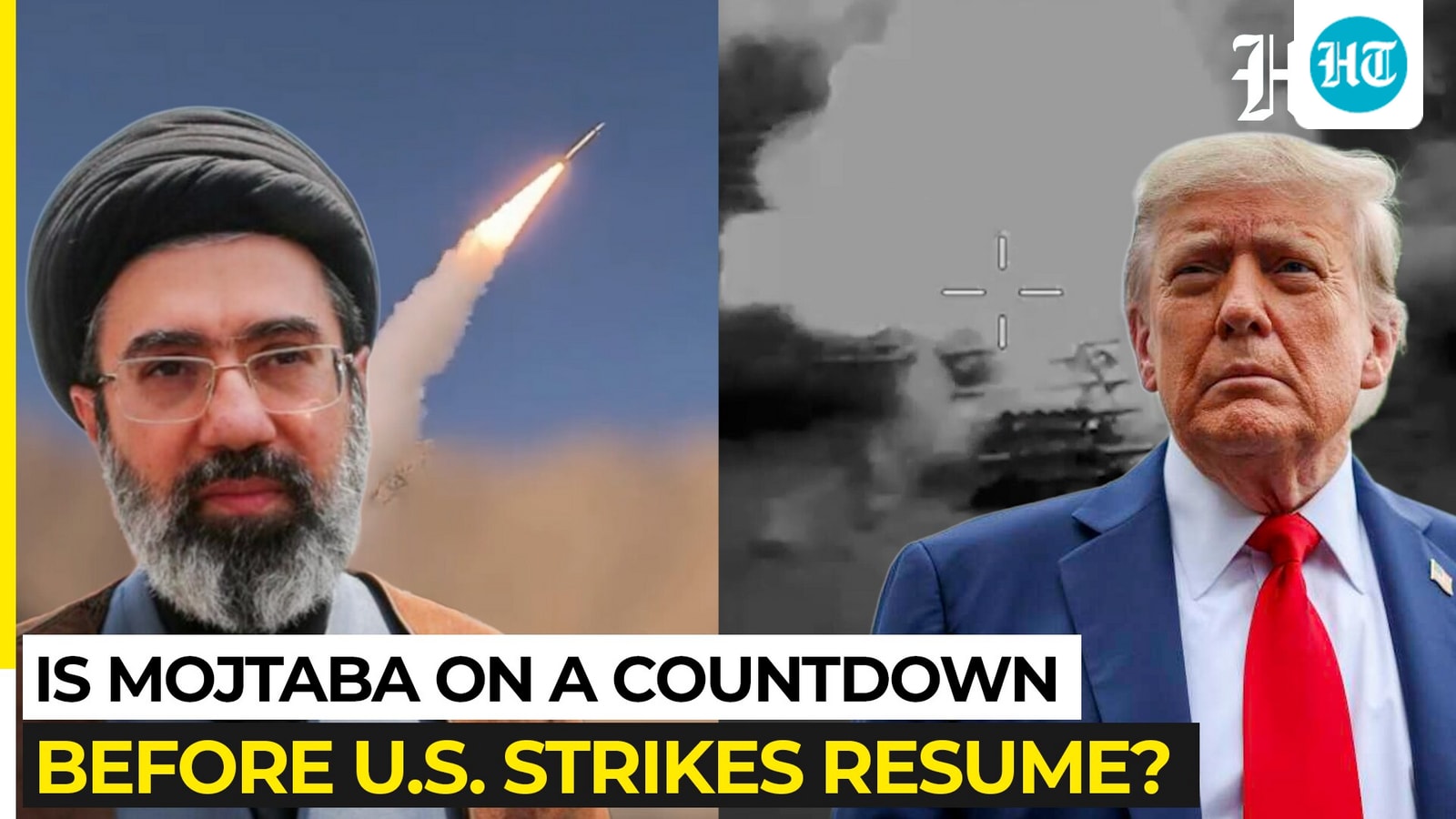
Iran has accused neighboring Gulf states of participating in recent military strikes alongside the U.S., while signaling an offensive stance. Meanwhile, Donald Trump has paused U.S. military action to allow for indirect diplomacy, though he warns that strikes will resume if negotiations fail.
Regional Tensions Escalate: Iran Accuses Gulf Neighbors of Complicity
The geopolitical landscape in the Middle East has reached a precarious inflection point following explosive allegations from Tehran. Iranian Foreign Ministry spokesman Esmaeil Baghaei has publicly accused neighboring Gulf states of facilitating and directly participating in military operations against Iran in coordination with the United States. These accusations mark a significant hardening of Iran’s regional rhetoric, suggesting that the conflict has transcended a bilateral dispute between Tehran and Washington to involve a broader coalition of regional actors.
The Strategic Shift: Iran’s Defiance
Central to this escalating standoff is the assertion by Iranian leadership that Tehran—not Washington—retains the sovereign authority to determine the trajectory of war or peace in the region. By ruling out direct negotiations with the U.S. and signaling an "offensive phase" in its military posture, Iran is actively challenging the traditional security architecture of the Gulf. This defiance is not merely symbolic; it places the critical maritime chokepoint of the Strait of Hormuz at the center of a potential military conflagration, threatening global energy security.
The Diplomatic Pause and the Trump Doctrine
In a contrasting move, former President Donald Trump has revealed that U.S. military strikes have been temporarily paused to create a window for diplomacy. This "stop-and-go" approach reflects a high-stakes gamble: utilizing the threat of renewed force as leverage to bring Tehran back to the negotiating table. By employing intermediaries such as Oman, the U.S. is attempting to navigate a back-channel path to de-escalation, yet the efficacy of these indirect talks remains highly questionable given Iran’s current refusal to engage.
The Dilemma of Regional Alliances
The accusation that Gulf states provided base access or direct support for military operations against Iran complicates the security dynamics of the region. If proven true, these actions suggest that U.S. allies in the Gulf have moved beyond passive support to active participation in regional containment strategies. This move, while perhaps intended to bolster deterrence, risks inviting direct retaliatory measures from Tehran, thereby expanding the theater of conflict and complicating any potential for a regional security consensus.
Future Trends and Potential Outcomes
The immediate future of the Gulf depends on whether the current diplomatic pause results in a meaningful breakthrough or serves merely as a tactical reset for both sides. The "ticking clock" mentioned by Trump suggests that the U.S. patience is finite, and any perceived failure in indirect negotiations will likely lead to a resumption of kinetic military operations. As Iran pivots toward an "offensive phase," the probability of a miscalculation that could trigger a wider regional conflict remains dangerously high.
Conclusion
Ultimately, the situation remains a volatile mix of posturing and genuine military threat. With Tehran rejecting the premise of U.S.-led peace and the U.S. maintaining the threat of force, the region is caught in a cycle of escalation. Whether through diplomatic intervention by regional mediators or a shift in military stance, the coming weeks will be decisive in determining whether the Gulf descends into a sustained period of conflict or finds a narrow path toward stabilization.
Multiple Citing Sources
Verification Required?