‘Watch Whisperer’ of Nizamuddin: ‘To repair is to bring the dead back to life’
Source Entity
Anusree K C
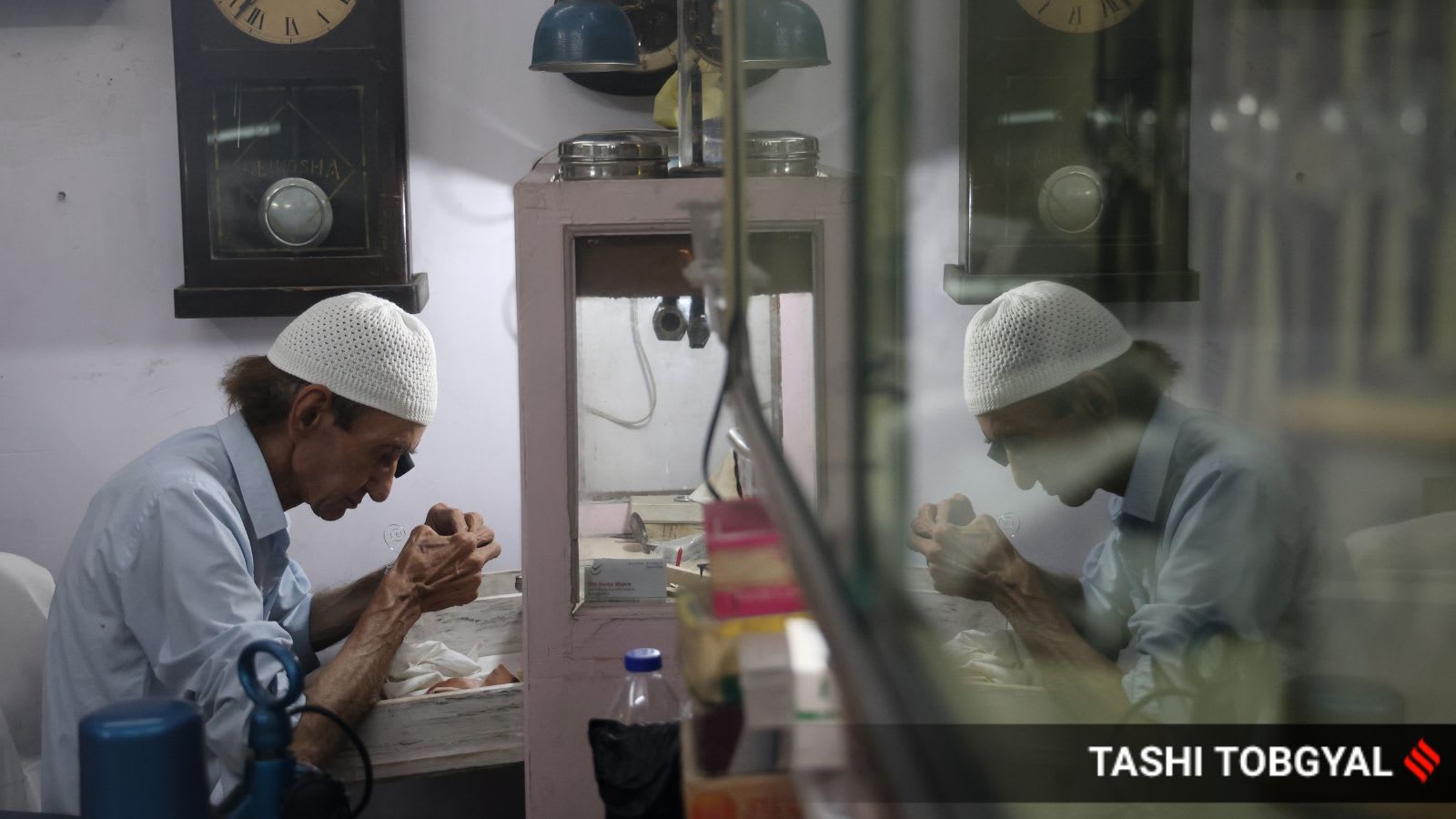
Javed Khan, a 69-year-old watchmaker in Delhi's Hazrat Nizamuddin Basti, has spent over 55 years preserving the art of mechanical timekeeping. His work reflects a dying craft, bridging historical legacy with the meticulous repair of vintage Swiss and HMT timepieces.
The Timeless Craft of Javed Khan
In the labyrinthine alleys of Hazrat Nizamuddin Basti, specifically within the Markazi Market, lies a portal to a bygone era. Javed Khan, a 69-year-old artisan, operates a modest workshop that serves as a sanctuary for mechanical history. With over 55 years of experience, Khan has dedicated his life to the delicate art of watch repair, treating the intricate gears and springs of timepieces as if they were living organisms requiring resuscitation.
A Legacy of Precision
Javed’s journey began in his youth after his father, Riyasat Khan, relocated the family from Rampur, Uttar Pradesh, to the bustling capital of Delhi. Eschewing formal education for the tactile demands of the workbench, Javed found his calling in the rhythmic precision of horology. His expertise is not merely technical; it is an intimate engagement with the mechanical soul of watches, ranging from iconic Swiss mechanical movements to the beloved, nostalgic HMT models that once defined the Indian middle-class aesthetic.
The Philosophy of Repair
For Khan, repair is not a transactional service but a restorative act: "To repair is to bring the dead back to life." This philosophy elevates his work from simple maintenance to a form of cultural preservation. By meticulously cleaning balance wheels and recalibrating hairsprings, he ensures that these vintage instruments continue to measure time long after their original manufacturers have moved on to mass-produced, digital alternatives.
The Cultural Context of Nizamuddin
Hazrat Nizamuddin Basti is a place steeped in history, and Javed’s shop is a microcosm of the area’s enduring character. In a rapidly modernizing Delhi, where the 'use-and-throw' culture dominates, artisans like Javed act as custodians of material culture. His shop in Markazi Market remains a destination for collectors and those seeking to preserve family heirlooms that would otherwise be relegated to the scrap heap.
Future Trends and the Survival of Artisanship
The survival of traditional watchmaking in India faces significant challenges, primarily from the dominance of smartwatches and quartz technology. However, there is a burgeoning global resurgence of interest in vintage mechanical watches, driven by a desire for sustainability and craftsmanship. Javed’s decades of experience position him as a vital link in this chain of knowledge, though the scarcity of apprentices suggests that such specialized skills are at risk of vanishing as the current generation of masters retires.
Conclusion
Javed Khan’s contribution to the cultural fabric of Delhi goes beyond the ticking of hands on a dial. He represents a commitment to endurance and excellence that transcends the fleeting nature of modern technology. As long as his workbench remains occupied, the history of horology in Nizamuddin continues to beat, serving as a reminder that some things, when treated with care, are indeed timeless.