Trump Says "Good Chance" Of Progress In Iran Talks As Both Hold Fire
Source Entity
NDTV News Search Records Found 1000
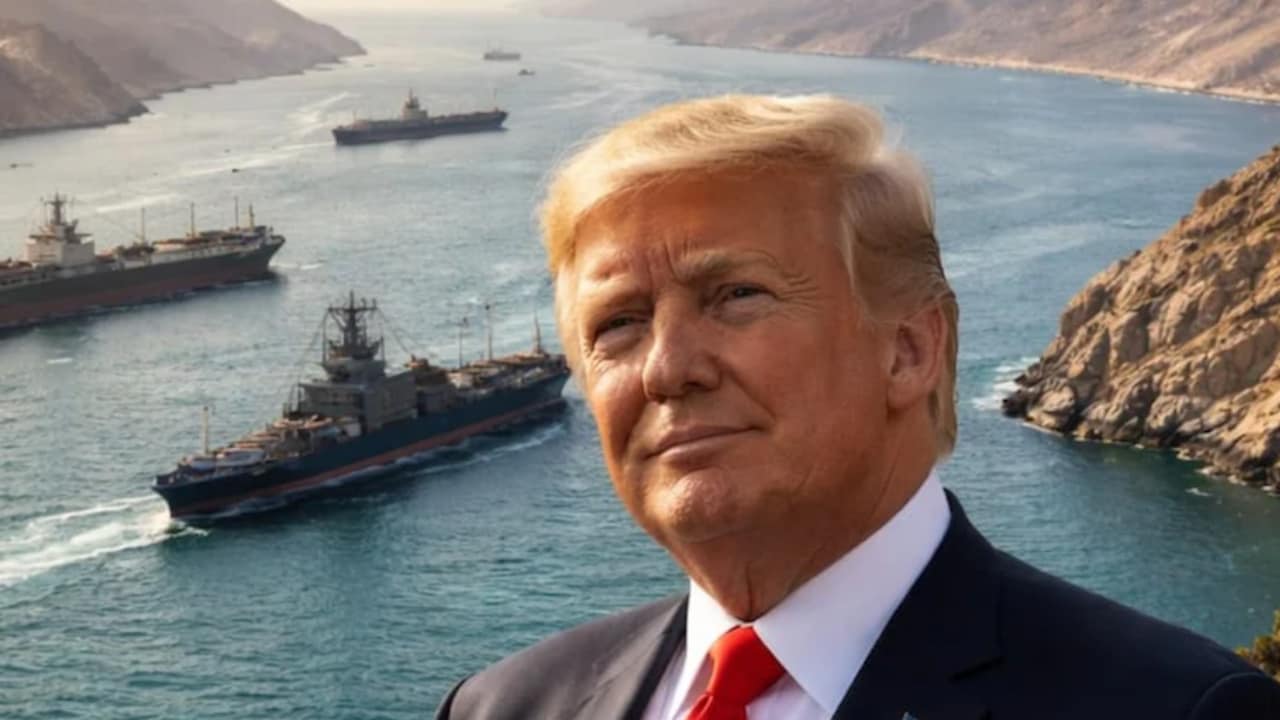
Diplomatic efforts are intensifying as Iran engages Saudi Arabia and Oman regarding the security of the Strait of Hormuz. While President Trump has expressed optimism for a breakthrough, he maintains a firm warning that military pressure will resume if negotiations fail.
The Diplomatic Tightrope: Navigating the Strait of Hormuz
Recent developments indicate a delicate shift in the ongoing US-Iran conflict, now entering its fifth month. As the geopolitical landscape remains volatile, President Donald Trump has signaled a cautious optimism, stating there is a "good chance" of a breakthrough in current negotiations. This optimism, however, is tempered by a clear ultimatum: should diplomacy fail to yield a concrete resolution, the United States remains prepared to revert to its previous military posture, which has included consecutive nights of targeted strikes by US CENTCOM.
Regional Diplomacy and the Role of Gulf Partners
Central to these developments is the future of the Strait of Hormuz, a critical maritime chokepoint that serves as a primary artery for global energy supplies. In an effort to stabilize this passage, Iranian Foreign Minister Seyyed Abbas Araqchi has engaged in high-level telephonic diplomacy, conducting separate discussions with his Saudi Arabian counterpart, Faisal bin Farhan, and Oman’s Foreign Minister, Badr Al-Busaidi. These talks underscore the regional urgency to mitigate the risks posed by the five-month-old conflict.
The Strategic Importance of Oman and Saudi Arabia
Oman has emerged as a particularly vital intermediary, leveraging its historical role as a neutral diplomatic bridge in the Middle East. By hosting and facilitating discussions regarding the Strait of Hormuz, Oman is attempting to prevent the spillover of the US-Iran war into a broader regional economic crisis. The involvement of Saudi Arabia suggests a potential realignment of regional interests, as both nations seek to protect their maritime borders and economic stability from the unpredictability of the current hostilities.
The Dual-Track Approach
President Trump’s rhetoric reflects a dual-track strategy: engaging in active negotiations while simultaneously maintaining a "peace through strength" deterrent. By publicly acknowledging the potential for a peaceful resolution while explicitly referencing previous military actions, the administration is attempting to keep the pressure on Tehran to reach a conclusion. This approach is designed to ensure that Iran remains at the negotiating table, aware that the alternative is a return to sustained military confrontation.
Future Implications and Outlook
As the international community watches these developments, the future remains uncertain. The primary challenge is whether the stated desire for "strengthened cooperation" between Iran and its neighbors can overcome the deep-seated friction between Washington and Tehran. The reliance on regional partners like Oman and Saudi Arabia suggests that any eventual resolution will likely require a multilateral framework that addresses both the security of the Strait of Hormuz and the broader grievances fueling the conflict.
Conclusion
Ultimately, while the current diplomatic activity provides a glimmer of hope for de-escalation, the situation remains fragile. The success of these talks hinges on whether the involved parties can translate diplomatic dialogue into lasting security agreements. Until a final resolution is reached, the region remains in a state of precarious limbo, caught between the promise of a breakthrough and the looming threat of renewed conflict.
Multiple Citing Sources
Verification Required?