‘Beginning of another’: How Hindustan Times reported freedom on August 15, 1947
Source Entity
Latest News: Todays Latest News Headlines from India & World | Hindustan Times | Hindustan Times
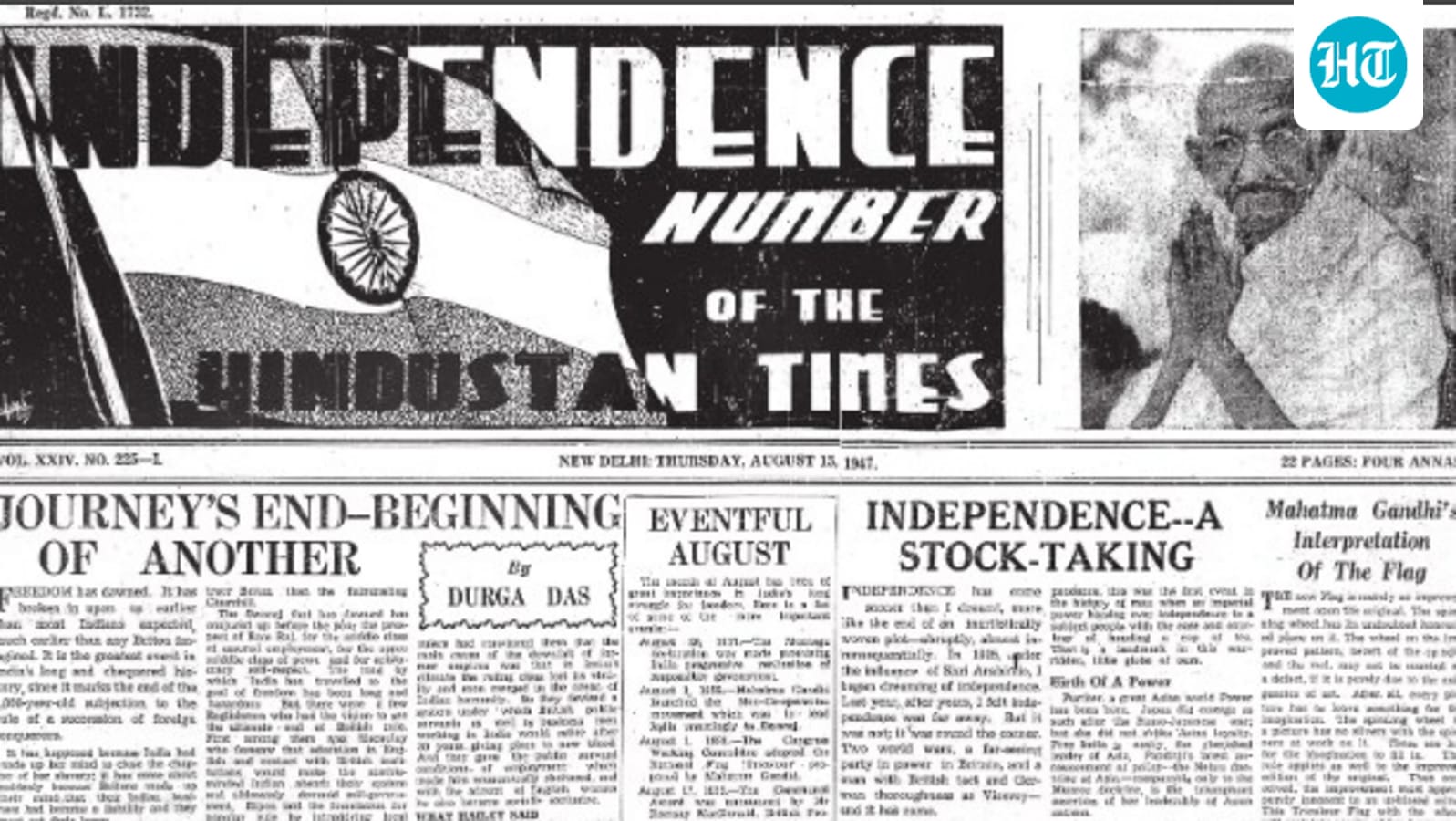
On August 15, 1947, India marked its transition to independence with historic ceremonies and iconic speeches. This analysis reflects on the Hindustan Times' coverage of that momentous dawn and the legacy of the nation's birth.
The Dawn of a Sovereign Nation
On the morning of August 15, 1947, the landscape of India underwent a seismic shift as the nation awakened to independence. The Hindustan Times, capturing the pulse of the era, moved past the speculative headlines of a country waiting for liberty to report on a reality that had finally arrived. This transition was not merely a political administrative change but a profound historical milestone that ended nearly two centuries of British colonial rule, signaling the "beginning of another" era for the subcontinent.
The Midnight Transition
The formal transition of power was punctuated by the events inside Constitution Hall in New Delhi on the night of August 14. The proceedings began with a symbolic and patriotic tone, marked by the singing of Vande Mataram. This act of collective national expression served as the cultural anchor for the legislative body as it prepared to govern a free state. The inclusion of this song in the inaugural ceremonies remains a point of historical continuity, as it is slated to return to the Red Fort for contemporary celebrations, bridging the gap between the original fervor of 1947 and the modern Indian state.
Leadership and Accountability
Dr. Rajendra Prasad, serving as the Assembly President, opened the session with a solemn acknowledgement of the sacrifices made by countless individuals. His address underscored that the freedom enjoyed by the citizens was built upon the foundations of those who gave their lives for the cause. This emphasis on collective memory and honor defined the early ethos of the Indian republic, ensuring that the new government was rooted in the moral weight of the freedom struggle.
The Tryst with Destiny
Perhaps the most enduring moment of this transition was Jawaharlal Nehru’s address as the clock neared midnight. His declaration, “At the stroke of the midnight hour, when the world sleeps, India will awake to life and freedom,” remains one of the most significant pieces of political oratory in the 20th century. By framing independence as an awakening to 'life,' Nehru moved the discourse beyond mere sovereignty, suggesting that the nation was embarking on a holistic project of social, economic, and political renewal.
Historical Context and Legacy
The reporting by the Hindustan Times 80 years ago provides a primary source window into the psychological state of the nation. It reflects a society transitioning from the anxiety of colonial subjugation to the responsibilities of self-governance. The contrast between the initial ceremony in Constitution Hall and the modern-day celebrations at the Red Fort highlights how the symbols of 1947 have been institutionalized into the fabric of Indian identity.
Conclusion
The events of August 15, 1947, were defined by a unique combination of solemnity and optimism. By analyzing the archives of the Hindustan Times, we gain a deeper appreciation for the weight of the moment that birthed modern India. The legacy of those early hours continues to influence the national consciousness, reminding every generation of the cost of freedom and the enduring nature of the promises made by the founding leadership at the stroke of the midnight hour.
Verification Required?