Wildfires Burn Over 100,000 Acres Across Nevada-California Border, Forcing Mass Evacuations
Source Entity
Latest News: Todays Latest News Headlines from India & World | Hindustan Times | Hindustan Times
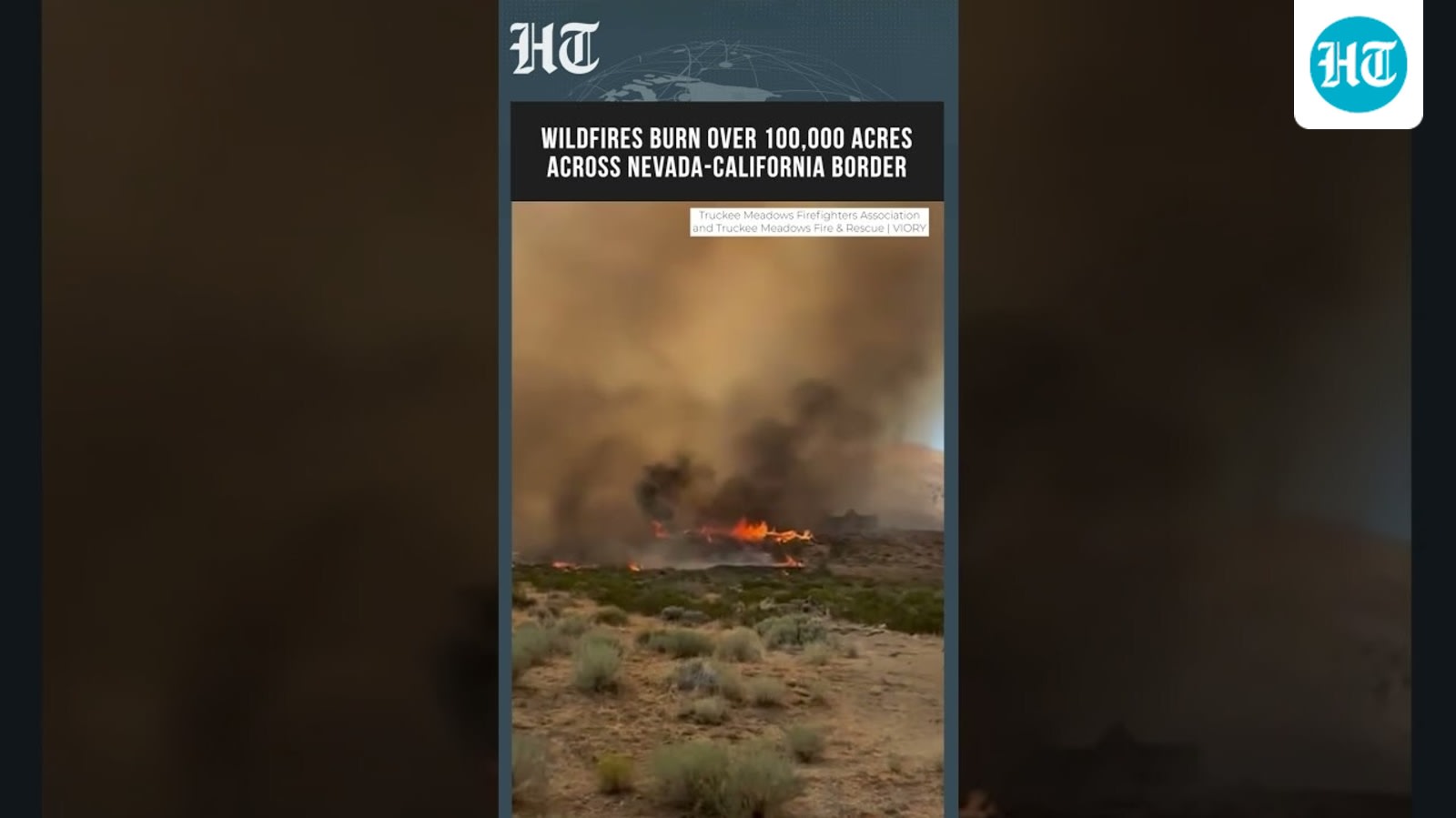
Massive wildfires have consumed over 100,000 acres along the Nevada-California border, triggering large-scale evacuations. Emergency crews are utilizing aerial and ground support to combat the rapidly spreading flames.
The Escalating Crisis on the Nevada-California Border
A critical wildfire emergency has unfolded along the Nevada-California border, where infernos have now scorched more than 100,000 acres of land. This rapid expansion of fire has necessitated the mass evacuation of thousands of residents, highlighting the severe vulnerability of communities situated in these arid, high-risk regions. The situation remains fluid as emergency services prioritize the protection of life and property in the face of an unpredictable blaze.
Environmental Drivers of the Blaze
The primary catalyst for this disaster is the presence of extremely dry vegetation, which has acted as a potent fuel source for the fire. In the context of the Western United States, prolonged periods of dryness create a landscape primed for combustion, where even minor ignition sources can escalate into uncontrollable events. The interaction between local topography and these parched conditions has allowed the fire to move with speed, complicating containment efforts significantly.
Tactical Response and Aerial Support
Firefighting operations are currently employing a multi-pronged strategy to manage the fire's reach. Ground crews are working under hazardous conditions to establish containment lines, while specialized aircraft are conducting constant sorties to drop fire retardant. This aerial support is essential for creating barriers around threatened communities and slowing the fire's advance across difficult, inaccessible terrain that would otherwise be impossible to defend.
Broader Implications for Western Resilience
This event underscores a growing trend of large-scale wildfires impacting the American West. The scale of 100,000 acres burned is a sobering reminder of the changing nature of fire seasons, which are increasingly characterized by high intensity and rapid spread. As these fires become more frequent, the burden on state resources and local infrastructure continues to mount, necessitating a reevaluation of land management and emergency preparedness strategies.
Future Trends and Community Safety
Looking forward, the combination of arid climates and volatile fire behavior suggests that regional authorities must continue to prioritize robust evacuation planning and early warning systems. The integration of modern fire-retardant technology and predictive modeling will be crucial in mitigating the risk to human life. As the climate continues to influence vegetation moisture levels, the necessity for proactive fire mitigation efforts will remain a central pillar of public safety policy in the region.
Verification Required?