Where to exchange your coins for cash
Source Entity
Yahoo Finance
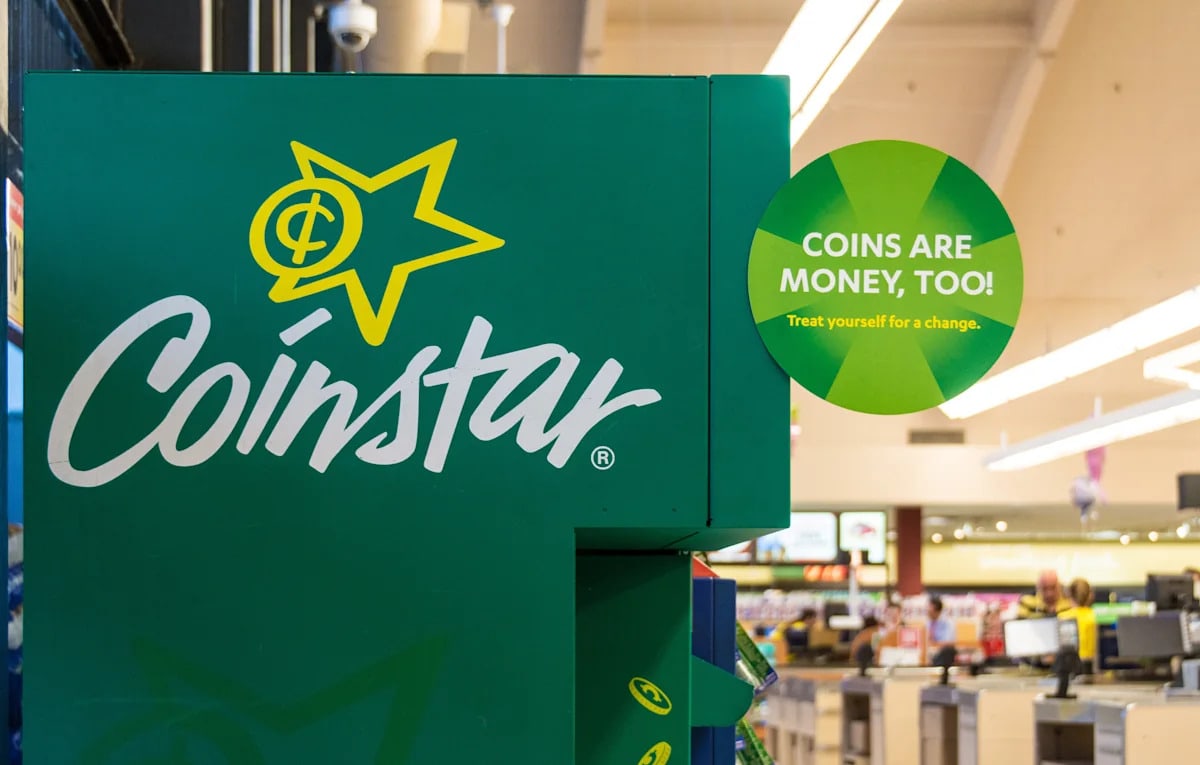
Exchanging spare change for paper currency can be accomplished through bank branches or self-service kiosks. While some methods are free for account holders, others may require coin rolling or involve service fees.
The Practical Guide to Converting Spare Change into Currency
For many households, the accumulation of spare change is a common occurrence, often resulting in jars or containers of coins that remain stagnant. Converting this physical currency into usable paper cash is a practical financial task that can improve liquidity for daily spending. Understanding the most efficient methods for this conversion is essential for those looking to maximize the value of their dormant assets.
Utilizing Traditional Banking Channels
The most conventional route for coin exchange is through local bank branches. For many financial institutions, providing coin-to-cash services is a value-add for their existing customer base. However, it is important to note that policies vary significantly between institutions. Many banks may require individuals to be account holders to waive service fees, while others may mandate that coins be pre-sorted and rolled into standardized paper wrappers before they will accept them for deposit or exchange.
The Role of Self-Service Kiosks
Beyond traditional banking, self-service coin-counting kiosks offer a convenient alternative for consumers. These machines are often located in retail environments, providing a high level of accessibility for individuals who do not wish to visit a bank during limited operating hours. While these kiosks offer speed and convenience, they frequently come with associated service fees that reduce the total value of the coins exchanged. Consumers must weigh the trade-off between the time saved and the cost of the transaction.
Strategic Considerations for Consumers
When deciding which method to utilize, consumers should prioritize minimizing transaction costs. For those who are not banking customers, the fees associated with third-party kiosks can be substantial, often taking a percentage of the total amount. Conversely, the "cost" of visiting a bank may be in the form of labor, such as the time required to sort and roll coins. Assessing the volume of change is the first step in determining the most cost-effective strategy.
Future Trends in Cashless Society
As the global economy continues to shift toward digital payment methods, the utility of physical coinage is gradually evolving. While cash remains a fundamental component of the economy, the infrastructure for handling physical change is becoming less ubiquitous. This shift may lead to fewer physical coin-counting options in the future, making it increasingly important for individuals to manage their physical currency holdings effectively today.
Conclusion
Ultimately, the process of converting coins to cash requires a balance of convenience and fiscal prudence. By leveraging existing banking relationships and understanding the specific requirements of local branches or kiosks, consumers can efficiently reclaim the value of their spare change. Whether through the manual effort of rolling coins or the convenience of a kiosk, these options ensure that small denominations remain a functional part of one's personal financial ecosystem.