HP partners with U.S.-blacklisted Huawei for licensing the Chinese company's WiFi tech
Source Entity
US Top News and Analysis
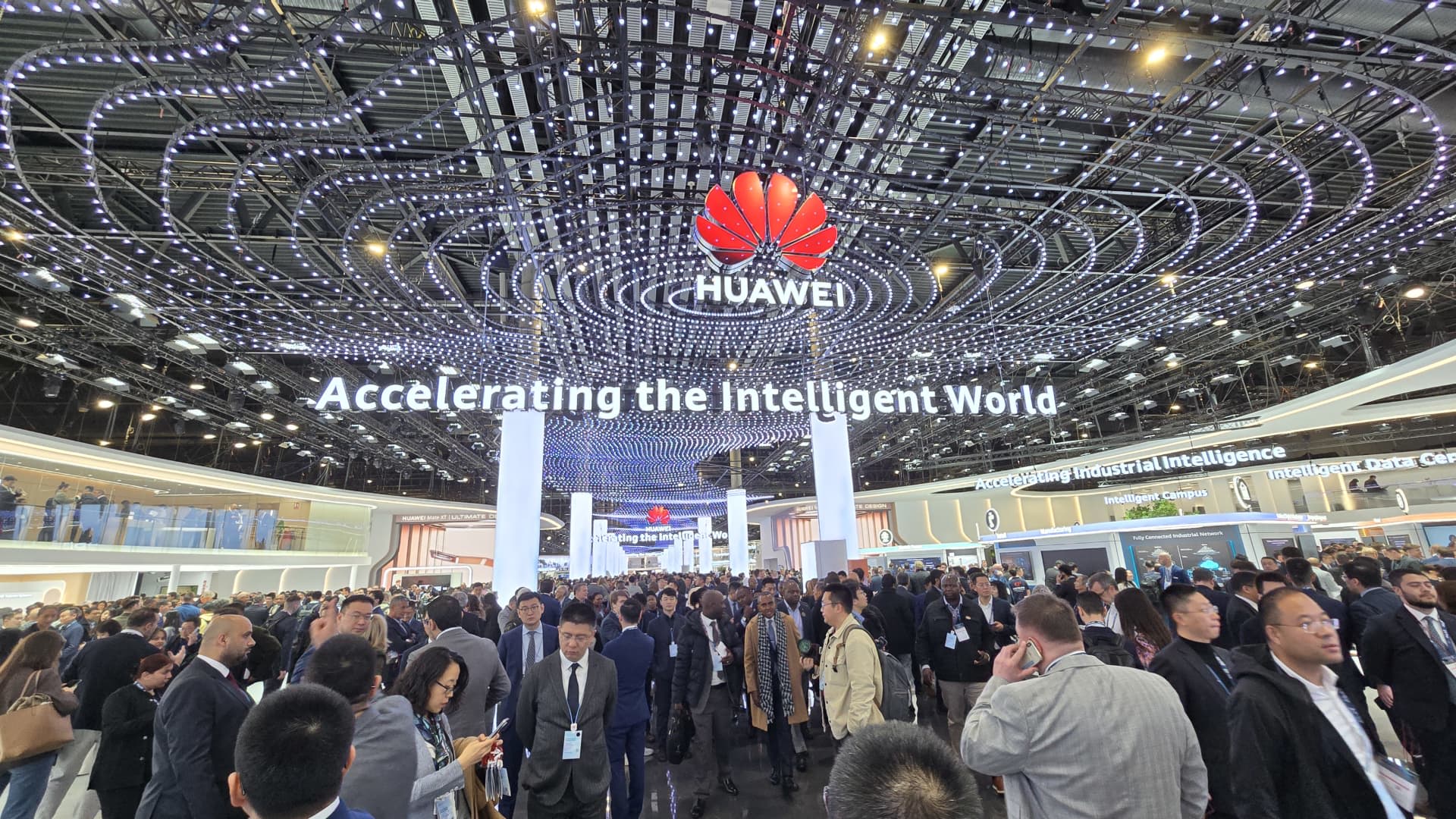
HP has entered into a multi-year global patent licensing agreement with Huawei for WiFi technology. This deal signals a significant move for Huawei's influence in the global market despite ongoing U.S. sanctions.
The Strategic Pivot: HP and Huawei’s Patent Agreement
In a notable development for the global telecommunications and computing landscape, U.S.-based technology firm HP has finalized a multi-year global agreement to license WiFi patents from the Chinese telecommunications giant, Huawei. This partnership, announced on a Wednesday in Beijing, marks a significant intersection between American hardware manufacturing and Chinese intellectual property, particularly within the context of wireless connectivity standards.
Navigating the U.S. Regulatory Landscape
The agreement is particularly striking given the strained geopolitical climate surrounding Huawei. Since 2019, Huawei has faced stringent U.S. blacklisting, which effectively severed its ability to collaborate with American suppliers like Google. However, this licensing deal serves as a tangible indicator that Huawei’s core technical contributions—specifically in the realm of WiFi—remain indispensable to global tech ecosystems, even when direct commercial partnerships are restricted by national security policies.
Resolving Historical Patent Disputes
This current arrangement is the culmination of a broader legal and commercial evolution. Last fall, a series of complex patent disputes involving HP, Huawei, and other industry players necessitated a resolution. That initial breakthrough allowed HP to access a specialized pool of 2,000 patents related to wireless network connectivity, known as the Sisvel WiFi 6 patent pool. Huawei’s status as a founding member of this pool placed it at the center of the negotiations, ultimately paving the way for the current, more direct cross-licensing agreement.
The Value of Reciprocal Rights
Beyond mere access to Huawei’s portfolio, the agreement is defined by its reciprocal nature. The deal includes "valuable reciprocal patent rights" granted by HP to Huawei. This structure suggests a maturation of the relationship where both entities recognize the necessity of collaborative intellectual property frameworks to foster global standards, moving past the litigious atmosphere that previously defined their interactions.
Broader Implications for Tech Standards
The adoption of Huawei’s WiFi patents by a major U.S. firm like HP highlights the decoupling of intellectual property standards from direct trade restrictions. As wireless technology becomes increasingly commoditized and essential to every computing device, patent pools act as neutral ground for innovation. By participating in this agreement, HP ensures its hardware remains compliant with the latest global WiFi 6 standards, while Huawei maintains its relevance as a foundational contributor to global wireless infrastructure.
Future Outlook
Looking ahead, this development suggests that while political barriers may restrict hardware supply chains, the exchange of intellectual property remains a resilient and essential component of the global tech economy. As companies continue to navigate the complexities of international trade laws, similar cross-licensing agreements may become the primary mechanism through which Chinese and American firms continue to interact, ensuring that technological progress in wireless connectivity is not stalled by geopolitical friction.