Protest against pollution of Guruganga-Viraja river on August 11 by villagers of Humnabad
Source Entity
India Latest News: Top National Headlines Today & Breaking News | The Hindu
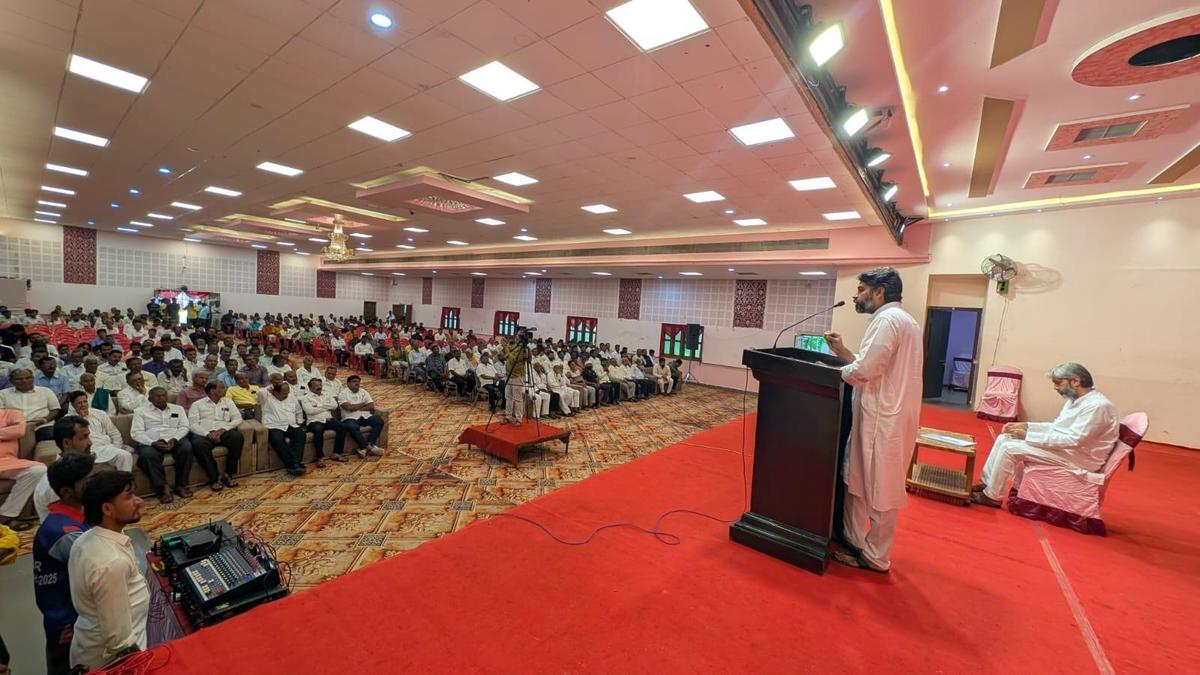
Residents in Karnataka's Humnabad taluk are organizing a protest on August 11 to address the severe pollution of the Guruganga-Viraja rivulet. Local leaders have joined the community in demanding government intervention to stop industrial effluent discharge and protect regional water health.
Crisis on the Banks: The Guruganga-Viraja Pollution Controversy
The Impetus for Public Unrest
On August 9, residents of the villages surrounding Maniknagar in the Humnabad taluk of Bidar, Karnataka, reached a breaking point regarding the environmental degradation of their local water sources. The community has officially resolved to stage a protest on August 11 to demand accountability for the persistent contamination of the Guruganga-Viraja rivulet. This mobilization is not merely a local grievance but a reflection of the growing tension between rapid industrial expansion and the fundamental right to clean water in rural India.
Political Engagement and Community Leadership
The meeting, held at Maniknagar, saw significant participation from local political leadership, including Humnabad MLA Siddu Patil and MLC Chandrashekar Patil. Their presence underscores the gravity of the situation; by aligning with the villagers, these representatives are signaling that the environmental health of the Bidar district has become a political priority. Basvantrao Vibhuti, representing the Veerabhadreshwara temple committee, served as a primary voice for the residents, articulating a clear set of demands that the government can no longer ignore.
Core Demands for Environmental Accountability
The villagers’ demands go beyond mere cleanup efforts; they are calling for a systemic overhaul of environmental oversight in the region. Specifically, they have requested that the district administration identify the precise sources of the industrial effluents, halt all illegal discharges, and implement rigorous, scientific testing of both the rivulet and the surrounding groundwater. The emphasis on 'scientific testing' suggests a lack of trust in current monitoring metrics and a desire for transparent, evidence-based environmental data.
Assessing Long-term Health and Environmental Impacts
Beyond the immediate need to stop pollution, the community is demanding an assessment of the long-term health impacts on the local population. Given that groundwater is a primary source for drinking and agriculture in these agrarian villages, the threat of toxic contamination poses a severe risk to public health and food security. The call for a 'permanent mechanism' to prevent future pollution indicates that the residents are seeking a sustainable policy framework rather than temporary cosmetic measures.
Broader Implications for Karnataka’s Industrial Policy
This situation in Humnabad highlights a recurring challenge in India’s industrialization process: the failure to enforce environmental norms in smaller industrial clusters. If left unaddressed, the contamination of the Guruganga-Viraja could lead to irreversible ecological damage and a public health crisis that would necessitate far more expensive remediation efforts later. The upcoming protest is a critical test for the local administration's ability to balance industrial growth with environmental stewardship and the protection of rural livelihoods.
Verification Required?