Final-year B.Tech student ends life in Hyderabad, family cites exam stress
Source Entity
India Latest News: Top National Headlines Today & Breaking News | The Hindu
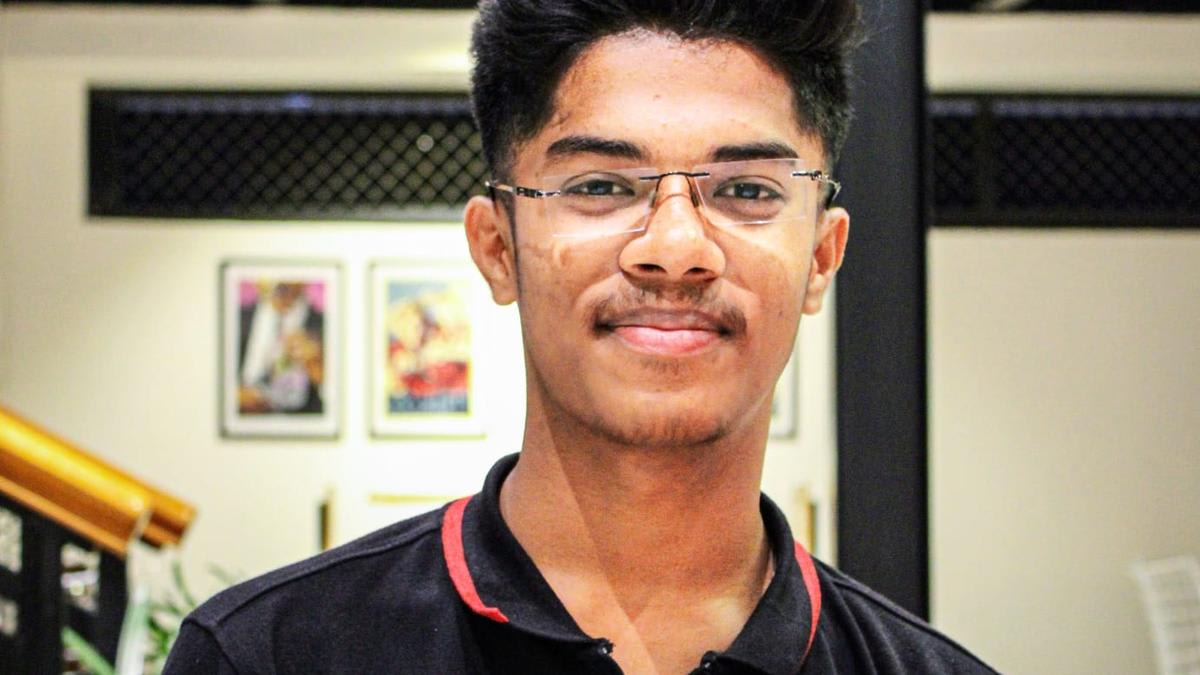
A 21-year-old final-year B.Tech student in Hyderabad's Suchitra area committed suicide due to depression and the fear of failing two subjects in his semester examinations.
Tragedy in Hyderabad: The Heavy Toll of Academic Pressure
In a heartbreaking incident that underscores the growing crisis of student mental health, a 21-year-old final-year B.Tech student was found dead at his residence in the Suchitra area of Hyderabad. According to reports from the family, the young man had been battling depression, which was exacerbated by an overwhelming fear of failing two subjects in his final semester examinations. This tragedy is not an isolated event but a stark reflection of the intense psychological burden placed on engineering students in India's hyper-competitive academic landscape.
The High-Stakes Environment of Engineering Education
The pressure faced by B.Tech students in India is often systemic. The final year is particularly critical as it coincides with campus placements and the culmination of a four-year investment of time and money. For many students, the prospect of 'backlogs'—unsuccessful attempts to pass a subject—is viewed not merely as an academic setback but as a catastrophic failure that could jeopardize their entire career trajectory. In this specific case, the fear of failing just two subjects was enough to push a student into a state of despair, highlighting how the perceived stakes of semester exams can outweigh the value of life itself.
The Intersection of Depression and Academic Anxiety
While the immediate trigger was the fear of exam failure, the family's mention of depression indicates a deeper, pre-existing struggle. Academic anxiety often acts as a catalyst for clinical depression, creating a vicious cycle where the inability to cope with stress leads to decreased cognitive function, making it even harder to study and pass exams. The transition from the structured environment of a classroom to the high-pressure expectations of professional eligibility often leaves students feeling isolated, especially when they feel they cannot meet the perceived standards of their peers or family.
Systemic Gaps in Institutional Support
This incident brings into sharp focus the inadequacy of mental health support systems within technical institutions. While many colleges boast of high placement percentages and state-of-the-art infrastructure, the provision of accessible, non-stigmatized counseling services remains alarmingly low. When students struggle with subjects, the institutional response is frequently limited to remedial classes or warnings about degree completion, rather than addressing the emotional distress accompanying the academic struggle. The lack of a robust psychological safety net means that students in crisis often suffer in silence until it is too late.
Societal Implications and the Culture of Perfection
Beyond the campus, there is a broader societal narrative in India that equates academic success with personal worth. The stigma associated with failing a subject can be immense, often leading to a sense of shame that prevents students from seeking help from their parents or mentors. The 'success at any cost' culture creates an environment where the fear of failure is more potent than the desire to learn. This tragedy in Hyderabad serves as a grim reminder that when the pursuit of a degree becomes a source of terror rather than growth, the system has fundamentally failed the student.
Moving Forward: The Need for Holistic Reform
To prevent such tragedies in the future, there must be a paradigm shift in how academic failure is handled. Educational institutions must integrate mental health screenings and mandatory counseling into the curriculum, ensuring that students have a safe space to express their anxieties without fear of judgment. Furthermore, normalizing the idea that academic setbacks are a part of the learning process—rather than a definitive end to a career—is essential. Until the culture shifts from a focus on grades to a focus on well-being, the pressure on students will continue to reach unsustainable and dangerous levels.
Summary
The death of the B.Tech student in Suchitra is a poignant example of the lethal combination of academic stress and untreated depression. It highlights a critical need for systemic reform in India's higher education system, urging a move toward a more compassionate, holistic approach to student success that prioritizes mental health over mere marks.
Verification Required?