Hyperscalers might regret embracing natural gas if new forecast proves correct
Source Entity
Tim De Chant
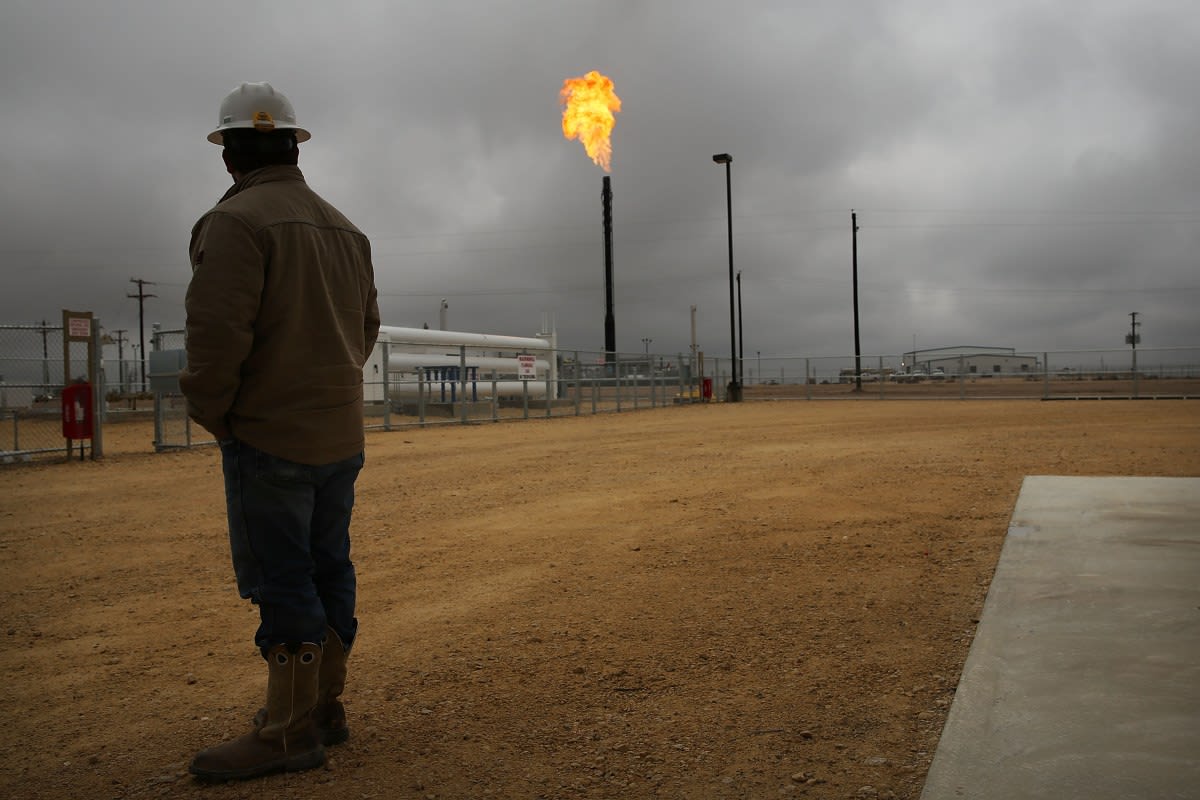
Major tech companies are increasingly turning to natural gas to fuel power-hungry AI data centers. However, experts warn that potential price spikes could lead to significant financial exposure for these hyperscalers.
The AI Energy Paradox: Hyperscalers and the Natural Gas Gamble
For years, the world’s leading technology giants—Amazon, Google, Meta, and Microsoft—have aggressively pursued renewable energy portfolios, positioning themselves as leaders in the transition to wind and solar power. However, the relentless demand for computational power required to train and deploy advanced artificial intelligence models has forced a strategic pivot. These hyperscalers are now increasingly looking toward natural gas as a reliable baseload power source to satisfy the immense energy appetite of their data centers, a move that is beginning to look increasingly precarious.
The Arithmetic of Energy Scarcity
According to recent research from the energy firm Noreva, this shift toward fossil fuels may be ill-timed. The core of the issue lies in a looming supply-demand imbalance. While hyperscalers are betting on the availability of natural gas, market indicators suggest that supply growth is stagnating even as demand for liquefied natural gas (LNG) exports remains high. This convergence creates a volatile environment where prices could, according to Noreva, triple in certain regions of the United States, leaving tech giants vulnerable to severe financial shocks.
Challenging the Assumption of Price Stability
Peter Gardett, CEO of Noreva, highlights a dangerous complacency in current energy markets, noting that many stakeholders have operated under the assumption that gas prices will remain permanently suppressed. This "simple arithmetic" suggests that the industry is currently underestimating the volatility of the energy market. By tethering their AI infrastructure to a commodity prone to geopolitical and regional supply fluctuations, hyperscalers are effectively trading the intermittent nature of renewables for the price volatility of fossil fuels.
Broader Implications for the AI Industry
If these price forecasts materialize, the economic model of AI development could be fundamentally challenged. Data centers are the backbone of the modern digital economy, and their operational expenditure is heavily weighted toward electricity. A tripling of energy costs would not only erode the profit margins of these tech giants but could also stall the pace of AI innovation. If the cost of powering a single query or training run skyrockets, companies may be forced to reconsider their massive physical infrastructure investments.
Long-term Strategic Outlook
Looking ahead, this situation highlights the urgent need for a more diversified energy strategy. While natural gas provides a necessary bridge, it is clearly not the panacea for the energy-intensive requirements of hyperscale computing. Future trends will likely see these companies forced to invest more heavily in localized energy storage, advanced small modular reactors (SMRs), or perhaps even more efficient hardware architecture to mitigate the risks of reliance on volatile commodity markets. The gamble on natural gas may prove to be a costly lesson in the complexities of global energy infrastructure.