IAF in ‘ok but not simple’ situation to deter China: Air Chief Marshal Ashutosh Dixit
Source Entity
Latest News: Todays Latest News Headlines from India & World | Hindustan Times
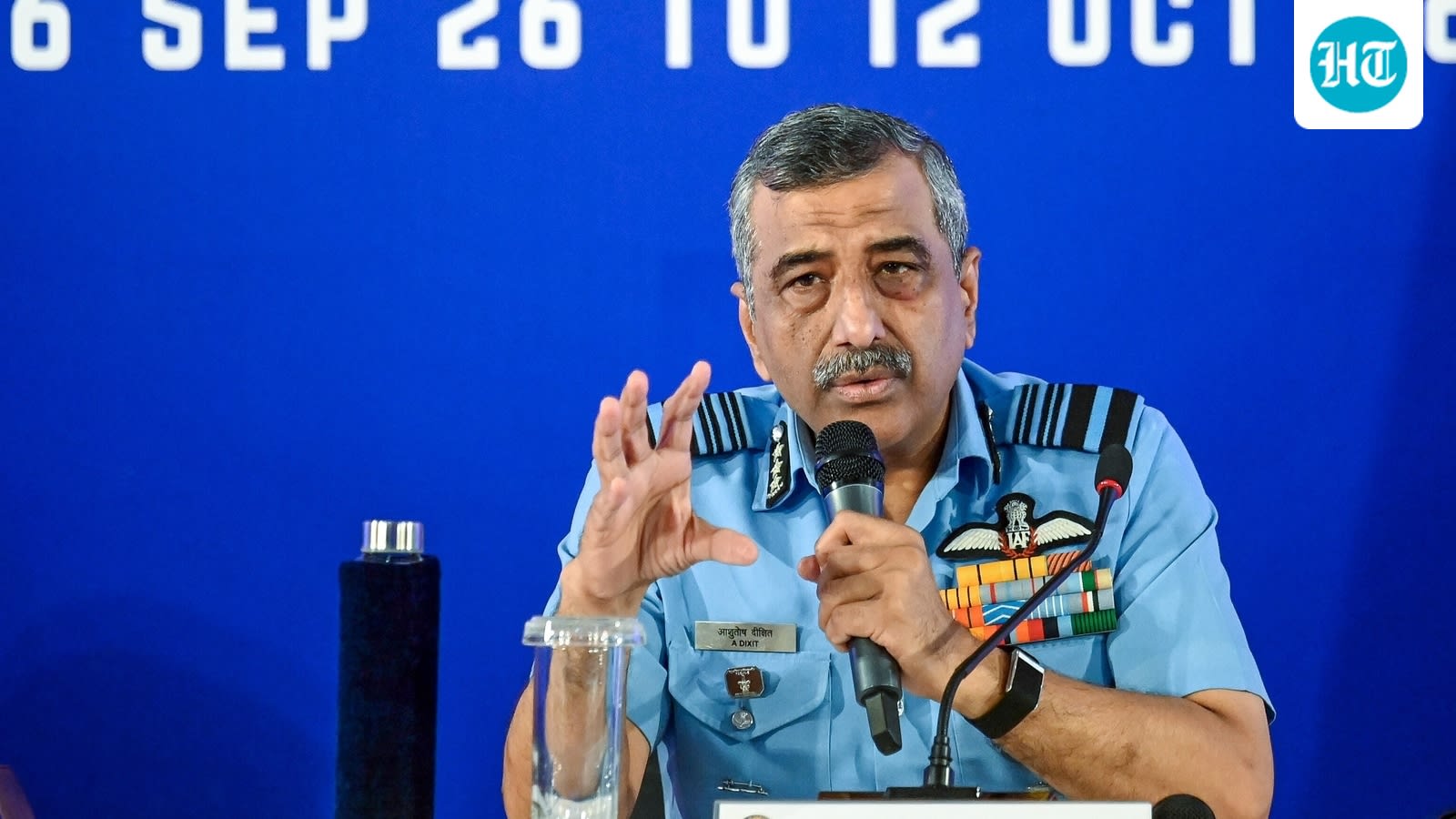
IAF Chief Air Chief Marshal Ashutosh Dixit stated that the Air Force is adequately prepared to deter Chinese aggression through technological modernization. He also categorized recent security concerns regarding honey traps as a broader issue of cyber espionage, emphasizing that the military is actively monitoring such threats.
Strategic Posture and Deterrence Capabilities
Air Chief Marshal Ashutosh Dixit, speaking at the ANI National Security Summit, provided a candid assessment of the Indian Air Force's (IAF) current strategic readiness regarding the northern border. Describing the situation as "not simple but an okay situation," the Chief emphasized that the IAF is actively inducting new technology to maintain a credible deterrent against Chinese aggression. This acknowledgment reflects the complexities of modern aerial warfare, where numerical strength must be balanced with technological superiority to offset regional power imbalances.
The Role of Technology and Monitoring
The IAF’s strategy is heavily predicated on continuous surveillance and technological advancement. By stating that the force is "keeping a very close eye" on adversaries, the Chief highlighted the importance of real-time intelligence and situational awareness. The transition toward advanced platforms and integrated defense systems is essential for the IAF to ensure that its deterrence remains effective despite the challenging geopolitical environment along the Line of Actual Control (LAC).
Redefining Espionage in the Digital Age
Beyond external military posturing, Air Chief Marshal Dixit addressed the internal security challenges facing the defense establishment, specifically regarding "honey traps." He clarified that such incidents should not be viewed in isolation as mere social enticements but must be categorized as "cyber espionage." This shift in nomenclature is significant, as it underscores that modern intelligence gathering by adversaries is multifaceted and relies heavily on digital penetration and psychological manipulation.
Cyber Espionage as a Systematic Threat
By framing honey traps as a sub-component of a broader cyber espionage framework, the IAF Chief signaled a systemic approach to defense security. Espionage in the 21st century utilizes various digital vectors to compromise sensitive information. This acknowledgment serves as a reminder that the military-industrial complex and individual personnel are constant targets of sophisticated state-sponsored cyber operations designed to bypass traditional perimeter security.
Future Trends in National Security
The comments from the Chief of the Air Staff suggest a future where the IAF will continue to prioritize cyber resilience alongside traditional kinetic capabilities. As the force continues to modernize, the integration of cyber-defense protocols into the daily operations of personnel will be paramount. The ability to deter aggression now rests on the dual pillars of maintaining a technological edge in the air and fortifying the digital integrity of the personnel and systems that operate these assets.
Conclusion
In summary, the IAF’s current stance is one of vigilant readiness. By openly discussing both the strategic challenges posed by regional adversaries and the internal threats posed by cyber espionage, Air Chief Marshal Dixit has provided a clear view of the modern security landscape. The commitment to technological modernization and a broader understanding of espionage tactics are critical components in ensuring India’s long-term national security interests.
Multiple Citing Sources
Verification Required?