Low On Fuel, Indian Drone Inadvertently Hit Pak's Kirana Hills Nuke Facility
Source Entity
NDTV News Search Records Found 1000
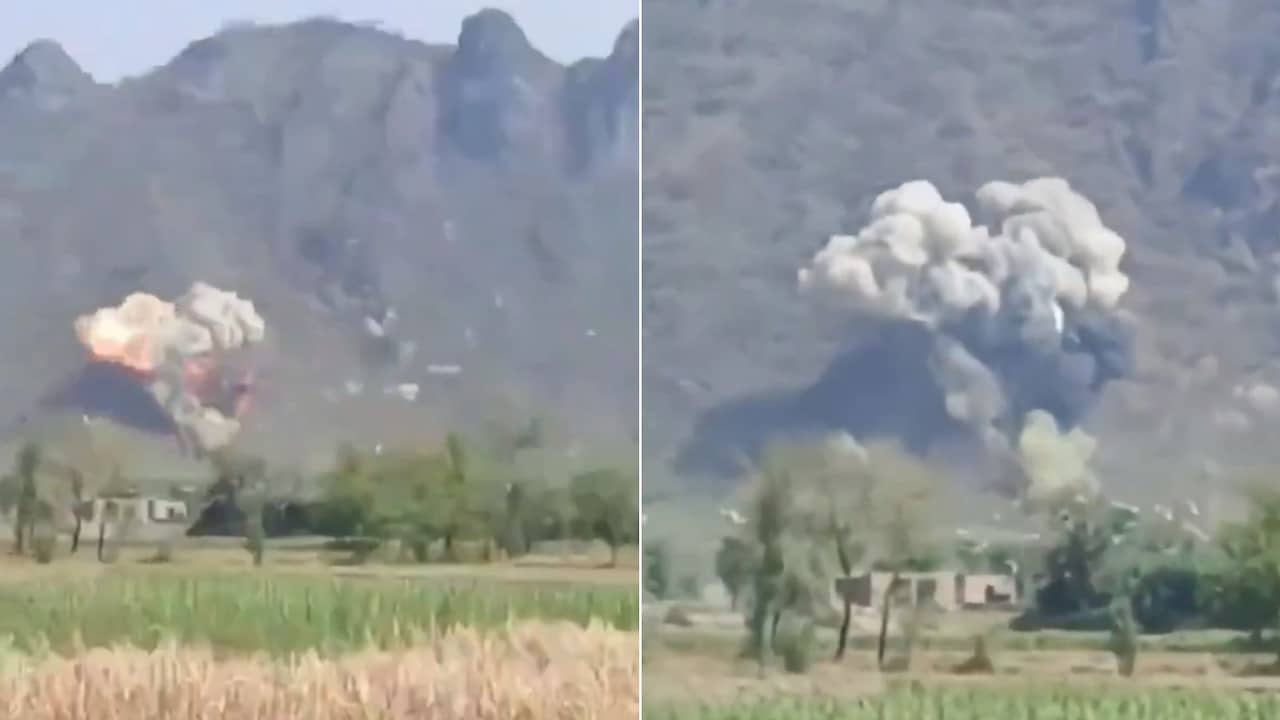
An Indian Air Force drone reportedly veered off course due to low fuel, inadvertently encroaching upon Pakistan's Kirana Hills nuclear facility. Intelligence reports indicate that high-level operational clearances had also been prepared for potential strikes on strategic targets like Skardu.
Strategic Escalation and Operational Mishaps
The recent reports concerning an Indian Air Force (IAF) drone inadvertently entering the airspace above Pakistan’s Kirana Hills nuclear facility highlight the extreme volatility inherent in modern border tensions. While the drone’s deviation was reportedly attributed to a critical fuel shortage, the proximity of the flight path to a sensitive nuclear installation underscores the precarious nature of drone warfare, where mechanical failure can lead to unintended diplomatic and military crises.
The Strategic Significance of Kirana Hills
The Kirana Hills facility is widely recognized in international security circles as a critical site within Pakistan's nuclear infrastructure. Because of its strategic importance, any unauthorized aerial presence—whether accidental or intentional—is viewed by regional analysts as a significant provocation. The fact that the drone reached this specific location suggests that even minor technical malfunctions in unmanned aerial systems can trigger high-level defense protocols, potentially escalating localized incidents into broader geopolitical confrontations.
Operational Planning and Escalation Thresholds
Beyond the specific incident involving the drone, the revelation that the Indian Air Force had received clearance for potential strikes on Skardu provides essential context regarding the military readiness postures of both nations. Skardu, located in the Gilgit-Baltistan region, serves as a vital logistics and airbase hub. The existence of such operational clearances implies that command structures were prepared for a significant expansion of hostilities, reflecting a tactical environment where offensive capabilities are constantly calibrated against the risk of rapid escalation.
Risks of Unmanned Aerial Systems
The reliance on drones for surveillance and tactical reconnaissance introduces a unique set of risks. Unlike piloted aircraft, where human judgment can override technical errors, drones are susceptible to navigation drift and communication blackouts. When these systems operate near high-value assets like nuclear facilities or major airbases, the margin for error is non-existent. This incident serves as a stark reminder that the integration of autonomous or semi-autonomous flight systems into contested border zones significantly increases the probability of miscalculation.
Future Implications for Regional Stability
Looking forward, this event will likely necessitate a re-evaluation of communication protocols between Indian and Pakistani military channels. If both nations are to avoid accidental conflict, the establishment of more robust de-confliction mechanisms for unmanned platforms is essential. Without such safeguards, the risk remains that a simple technical failure—much like the one involving the drone near Kirana Hills—could be misinterpreted as a deliberate act of aggression, leading to a rapid and potentially catastrophic response from either side.
Verification Required?