US Earthquake Monitor Clarifies Nepal "Quake" Was 'Powerful Landslide'
Source Entity
NDTV News Search Records Found 1000
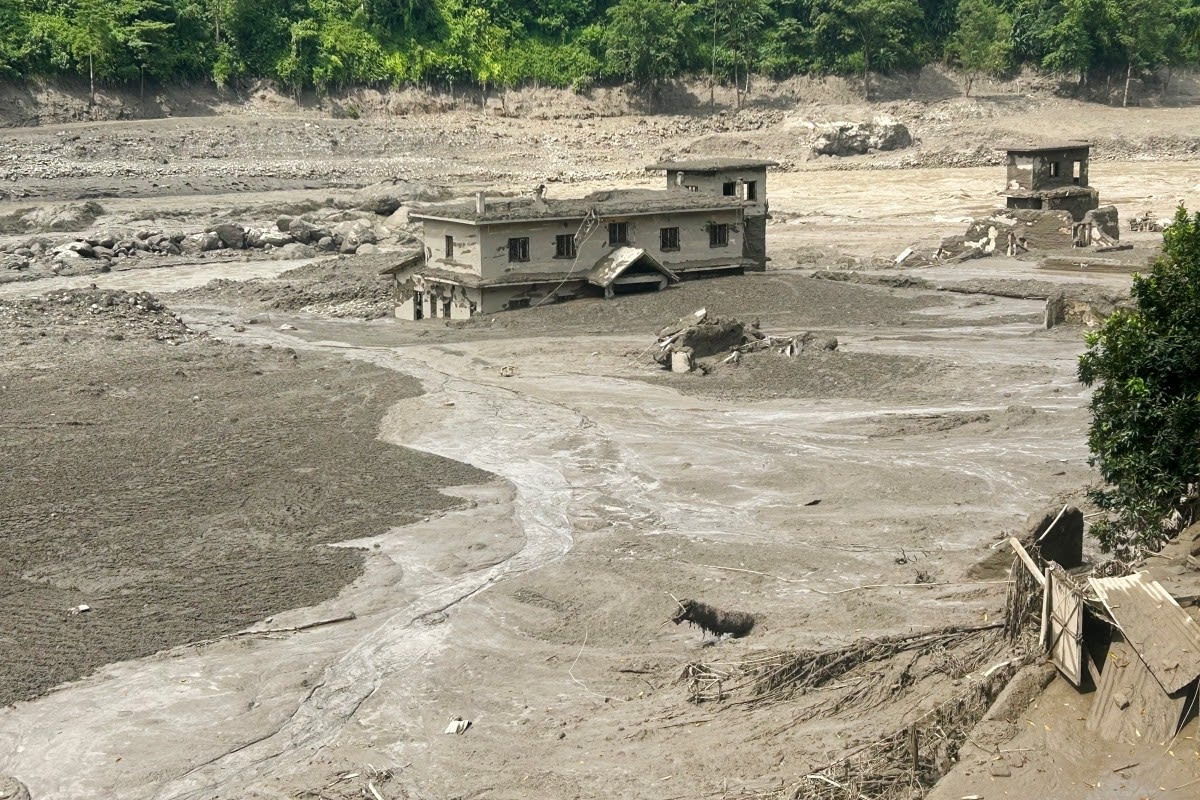
Devastating flash floods in Nepal, likely triggered by an ice-rock avalanche, have resulted in over 100 deaths and 750 missing persons. International scientists are investigating the disaster, which has caused widespread destruction along the Bhote Koshi and Trishuli rivers.
The Tragic Scale of Nepal's Recent Flood Disaster
On Wednesday, August 26, 2026, the Rasuwa district of Nepal became the epicenter of a catastrophic environmental event that sent shockwaves across the region. Flash floods, characterized by a violent surge of water, sediment, and massive boulders, roared down the Bhote Koshi and Trishuli rivers, causing widespread destruction. As of the latest reports, the human toll is staggering, with over 100 individuals confirmed dead and more than 750 people currently listed as missing, including a 32-member group from Kolkata, West Bengal.
The Mechanics of the Disaster: An Ice-Rock Avalanche
Experts from the International Centre for Integrated Mountain Development (ICIMOD), in collaboration with partner institutions across Nepal and China, have identified a probable cause for this calamity: an ice-rock avalanche. This phenomenon occurs when large masses of ice and rock dislodge from high-altitude areas, potentially impacting glacial lakes or river channels. Such an event acts as a sudden, massive displacement of material, transforming into a high-energy flash flood and mudslide that gains momentum as it descends through steep mountain terrain.
Geological Vulnerability of the Hindu Kush Himalaya
The Hindu Kush Himalaya (HKH) region is notoriously dynamic, characterized by constant tectonic shifts and extreme vertical topography. The interaction between climate-induced melting and the inherent geological instability of the region creates a "ticking time bomb" effect. As ICIMOD continues its investigations, the disaster highlights the severe vulnerability of communities residing downstream from these high-altitude glacial zones. The topography of the Nepal-Tibet border, where the flood originated, makes early warning systems difficult to implement effectively.
Humanitarian Crisis and Rescue Challenges
Rescue operations have been hampered by the sheer scale of the debris and the difficult, mountainous geography of the Nuwakot and Rasuwa districts. Images from the scene depict rescuers utilizing heavy earthmovers to reach submerged houses, a testament to the intensity of the mudslide. The disappearance of hundreds of individuals, including tourists and pilgrims from neighboring India, has intensified the urgency of the search and rescue efforts, turning this into a complex international humanitarian situation.
Future Trends and Regional Cooperation
This event underscores the necessity for increased transboundary cooperation between Nepal and China. Because these river systems originate in Tibet and flow into Nepal, data sharing regarding glacial lake stability and avalanche risks is vital for the survival of downstream populations. Moving forward, the focus must shift toward more robust climate modeling and the integration of satellite-based monitoring to detect mountain slope instability before such disasters reach the scale of the August 2026 tragedy.
Multiple Citing Sources
Verification Required?