‘There’s this deep mystery of what, actually, is this thing?’: the philosopher inside Google DeepMind AI – podcast
Source Entity
Written by Robert P Baird and read by Simon Darwen. Produced by Nicola Alexandrou. The executive producer was Ellie Bury
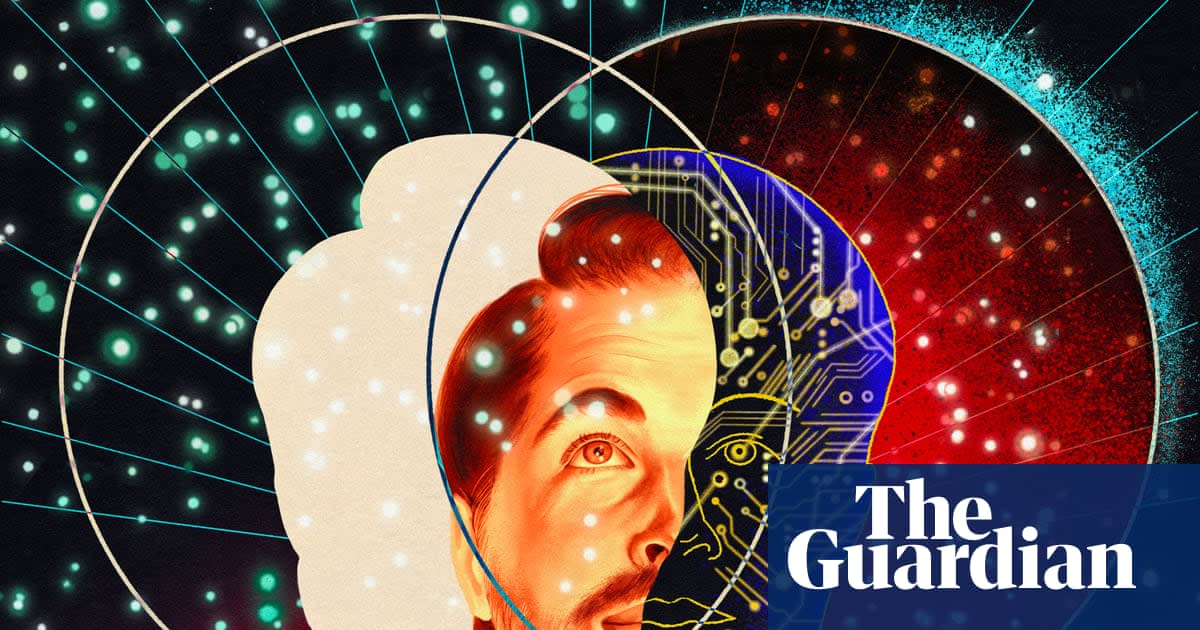
Iason Gabriel, a philosopher at Google DeepMind, explores the ethical complexities and societal impacts of rapidly evolving AI. His role highlights the ongoing tension between technological advancement and the necessity for rigorous ethical oversight.
The Role of Philosophy in the Age of Artificial Intelligence
Since 2017, Iason Gabriel has occupied a unique and challenging position within Google DeepMind, serving as a philosopher tasked with navigating the ethical landscape of artificial intelligence. His work represents a growing trend among major technology firms to integrate humanities-based inquiry into the development cycle of high-stakes software. By attempting to anticipate the profound shifts AI will induce in human society, Gabriel’s role underscores the transition of ethics from a theoretical academic pursuit to a critical operational function within the tech industry.
The Tension Between Innovation and Ethics
The fundamental challenge outlined in the discourse surrounding Gabriel’s work is the inherent friction between rapid commercial innovation and slow, methodical ethical deliberation. As Google DeepMind continues to push the boundaries of machine learning, the pressure to maintain a competitive edge often clashes with the caution required for responsible deployment. This "deep mystery" regarding the nature and trajectory of AI systems creates a precarious environment where ethicists must act as both internal critics and strategic guides.
Geopolitical and Commercial Pressures
Beyond internal corporate dynamics, the broader geopolitical landscape significantly complicates the ethical oversight of AI. With nations and corporations racing to achieve technological supremacy, the influence of philosophical inquiry is frequently tested. The question of whether ethicists can truly exert meaningful control when faced with intense market and national security pressures remains a central point of contention. Gabriel’s position acts as a barometer for how much influence moral considerations can exert over the juggernaut of global tech development.
Anticipating Societal Impact
The nature of Gabriel's mandate involves looking beyond immediate functional gains to consider the long-term societal consequences of AI. This includes evaluating how automated systems alter human agency, decision-making, and social structures. By embedding this type of long-term thinking into the development process, Google DeepMind acknowledges that the technical capabilities of AI cannot be decoupled from their ethical and social implications.
The Future of Corporate Ethics
Looking forward, the role of figures like Iason Gabriel suggests a shift in how the tech industry approaches accountability. As AI systems become more integrated into the fabric of daily life, the demand for transparent, ethically grounded development will only increase. Whether these internal roles can evolve to provide sufficient checks and balances remains a critical question. Ultimately, the work being done at DeepMind serves as an ongoing experiment in whether modern corporate structures can successfully accommodate the rigorous, often uncomfortable, questions posed by philosophy.