All hail electrification. But let’s talk about the hard part.
Source Entity
Dan Gearino, Inside Climate News
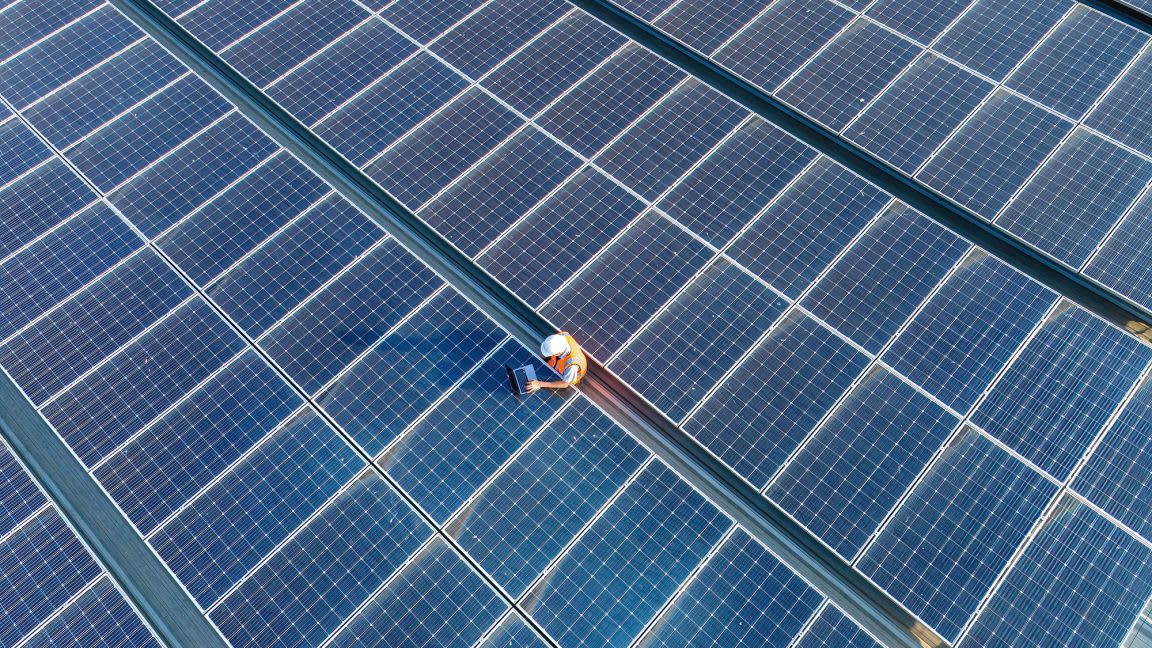
The IEA is advocating for a global economic shift toward electrification, noting that electricity has become the most secure, affordable, and clean energy source. This alignment of goals marks a historic turning point in energy policy, though significant implementation challenges remain.
The Global Pivot Toward Electrification
The International Energy Agency (IEA) has recently signaled a monumental shift in global energy strategy, advocating for the systematic electrification of the global economy. As climate negotiators and international policy makers seek to establish firm targets, the IEA’s latest report provides a foundational framework for this transition. By positioning electricity as the primary vector for future energy consumption, the agency is signaling that the era of choosing between competing energy priorities is effectively drawing to a close.
The Convergence of Energy Objectives
Historically, energy policy has been defined by the 'energy trilemma': the constant struggle to balance affordability, security, and sustainability. For decades, governments were forced to trade one off for the other—prioritizing cheap fossil fuels over climate goals, or expensive renewables over energy security. Fatih Birol, Executive Director of the IEA, highlighted at the United Nations that these objectives are now finally aligning. Electricity, bolstered by the declining costs of solar, wind, and battery storage, has emerged as the unique solution that satisfies all three criteria simultaneously.
Economic and Security Implications
The economic argument for electrification rests on the increasing efficiency and decreasing cost of electric technologies compared to their combustion-based counterparts. When a single energy source becomes the most cost-effective and the most secure—reducing reliance on volatile global fuel markets—the rational economic choice for nations is to adjust their infrastructure accordingly. This transition is not merely an environmental mandate; it is a strategic economic realignment designed to decouple growth from the price shocks associated with traditional energy commodities.
The Structural Challenges Ahead
Despite the clear advantages, the transition to an electrified economy presents significant structural hurdles. While the IEA identifies electricity as the optimal path, the 'hard part' involves the massive overhaul of existing power grids, the integration of intermittent renewable sources, and the retrofitting of industrial and residential heating systems. Moving away from fossil-fuel-dependent systems requires not just technological adoption, but a comprehensive redesign of how nations distribute and manage energy load on a national and continental scale.
Future Trends and Policy Trajectories
Looking forward, we can expect to see a surge in policy initiatives aimed at incentivizing the electrification of transport, heating, and heavy industry. The IEA’s focus on this transition suggests that international climate negotiations will increasingly move away from general carbon-reduction pledges toward specific, verifiable electrification targets. As countries race to secure supply chains for the minerals and components required for this transition, the geopolitical landscape will likely shift from an oil-centric model to one defined by electrical grid stability and technological sovereignty.
Conclusion: A New Era of Energy
The alignment of security, economy, and cleanliness represents a rare moment of consensus in global policy. If the IEA’s vision holds, the next decade will be defined by the hard work of implementation—building the resilient, electrified infrastructure necessary to sustain a modern economy. The transition is no longer a question of 'if' but 'how' effectively nations can manage the logistical and economic complexities of this historic shift.