Sahil Wakode’s death can’t be seen in isolation, IIT Bombay alumni write to Director
Source Entity
India Latest News: Top National Headlines Today & Breaking News | The Hindu
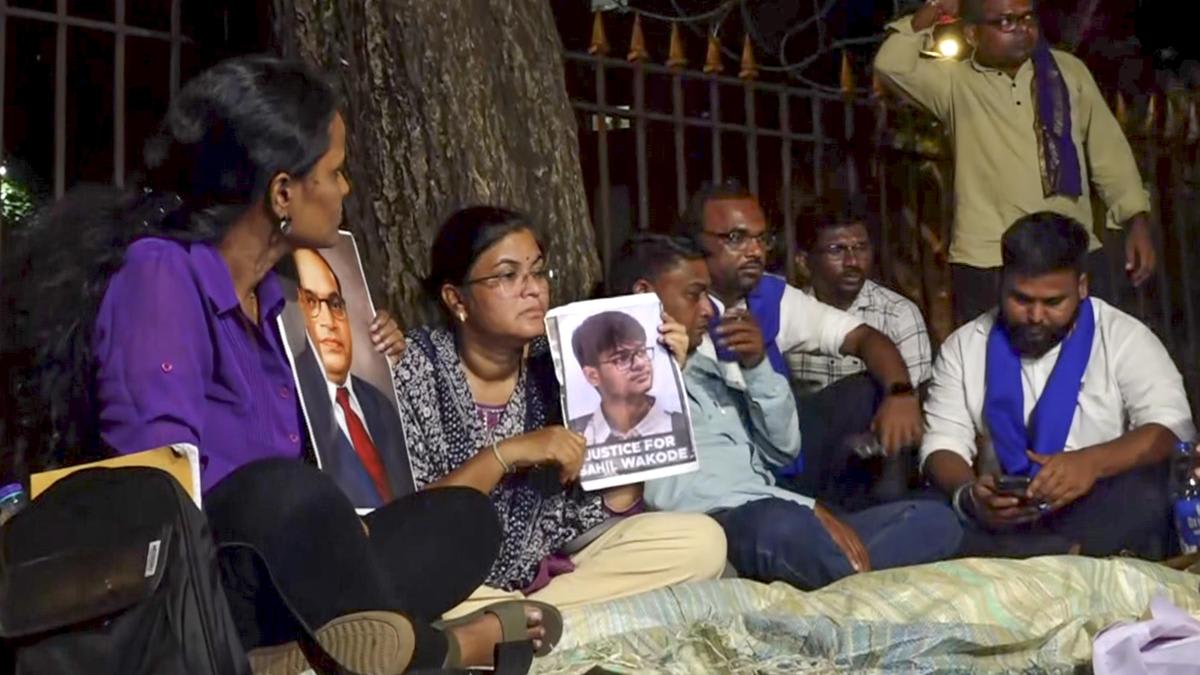
IIT Bombay alumni have urged the administration to address a pattern of student suicides, citing an increasingly militarized academic environment. They are demanding comprehensive mental health reforms and an impartial investigation into recent campus deaths.
Addressing the Crisis of Student Well-being at IIT Bombay
The recent death of Sahil Wakode at the Indian Institute of Technology-Bombay (IITB) has reignited a critical conversation regarding the mental health landscape within India’s premier technical institutions. In a letter addressed to the Director on September 27, 2026, a group of alumni emphasized that this tragedy cannot be viewed in isolation. Instead, they argue it is a symptom of a systemic failure that has seen four student deaths within a single year, necessitating an urgent re-evaluation of campus culture.
The 'Militarized' Campus Critique
One of the most striking concerns raised by the alumni is the description of the campus as increasingly "militarized" during examination periods. This terminology suggests a high-pressure, surveillance-heavy atmosphere that prioritizes strict academic compliance over student welfare. By characterizing the environment in this way, the alumni are signaling that the rigid, high-stakes nature of IIT pedagogy may be exacerbating the psychological vulnerability of students, turning a place of learning into a source of profound distress.
Systemic Pressures and Mental Health
Beyond the immediate circumstances of the death, the alumni’s three-page letter delves into the broader structural issues plaguing the institute. The demand for a comprehensive mental health survey indicates a belief that the administration lacks sufficient data—or perhaps the willingness to acknowledge the severity—of the psychological strain on students. The call for a "humane approach" to misconduct suggests that current disciplinary policies may be punitive rather than supportive, further alienating students who are already struggling to cope with the rigorous academic curriculum.
The Demand for Accountability
Transparency remains a central pillar of the alumni's grievances. By requesting an impartial investigation into specific allegations and outlining 10 concrete demands, the former students are shifting the focus from individual tragedy to institutional accountability. This push for reform suggests that the internal mechanisms for addressing student grievances are perceived as inadequate or opaque, leaving the community feeling unheard and unsupported.
Future Trends and Institutional Reform
Looking forward, the institute faces a pivotal moment. If the administration ignores these calls for reform, it risks further erosion of trust among its student body and alumni network. The future of IITB depends on its ability to transition from a culture of extreme academic pressure to one that integrates robust mental health support systems. The outcome of this dialogue will likely serve as a benchmark for how other elite technical institutions in India manage the intersection of academic excellence and student well-being in the coming years.
Verification Required?