2 Suffocate To Death After Inhaling Toxic Chemical In Mumbai Public Toilet
Source Entity
NDTV News Search Records Found 1000
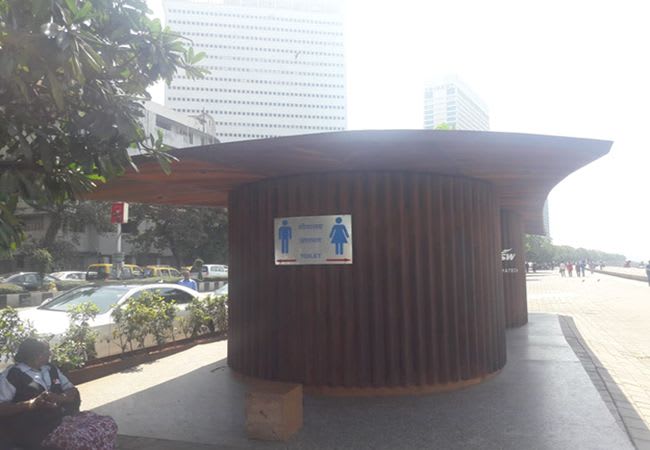
Two men, Prabhakar Dhanivar and Bhavin Desai, died from suspected chemical suffocation in a Mumbai public toilet. Authorities are currently investigating the source of the leak amid rising concerns over public sanitation safety.
Tragedy Strikes in Mumbai: Public Sanitation Safety Under Scrutiny
On the early morning of September 27, 2026, a tragic incident occurred near the Mrunaltai Gore Bridge in Goregaon East, Mumbai, resulting in the deaths of two young men, 24-year-old Prabhakar Dhanivar and 18-year-old Bhavin Desai. According to reports from the Brihanmumbai Municipal Corporation (BMC), the victims were rushed to the Trauma Care Hospital after being exposed to a suspected chemical leak inside a public toilet, but were unfortunately declared dead upon arrival at 3:49 a.m.
The Nature of the Incident
Local residents reported that the victims encountered an overpowering chemical odor upon entering the facility, which led to immediate respiratory distress and suffocation. While the exact chemical composition remains unidentified, the event has triggered an urgent investigation by civic authorities. This incident highlights the acute dangers associated with inadequate ventilation and the potential for toxic gas accumulation in cramped, poorly maintained public infrastructure.
Patterns of Concern
This tragic event is not an isolated occurrence. There have been several similar deaths attributed to suffocation in public toilets across Mumbai over the last few years. The recurrence of such incidents points to a systemic failure in the maintenance and safety protocols of public sanitation facilities, raising questions about whether these spaces are being monitored for hazardous chemical build-up or structural ventilation failures.
Broader Implications for Urban Infrastructure
As Mumbai continues to expand and densify, the pressure on public facilities is immense. The maintenance of these spaces is critical to public health, yet the prevalence of these fatal incidents suggests that current safety audits are insufficient. The reliance on public toilets by a large portion of the population necessitates a rigorous overhaul of inspection standards to ensure that such facilities do not become death traps due to gas leaks or poor chemical management.
Future Trends and Necessary Interventions
Looking ahead, the city faces a significant challenge in retrofitting older infrastructure to meet modern safety standards. Future urban planning must prioritize the installation of advanced monitoring systems capable of detecting toxic gases in real-time. Without a transparent investigation into the source of this specific leak and a broader policy shift toward proactive safety management, the risk to the public remains high. The loss of these two young lives serves as a grim reminder that basic sanitation must be synonymous with basic safety.
Verification Required?