NCERT releases new Grade 9 Social Science textbook ‘Understanding Society: India and Beyond’ Part 2
Source Entity
The Indian Express
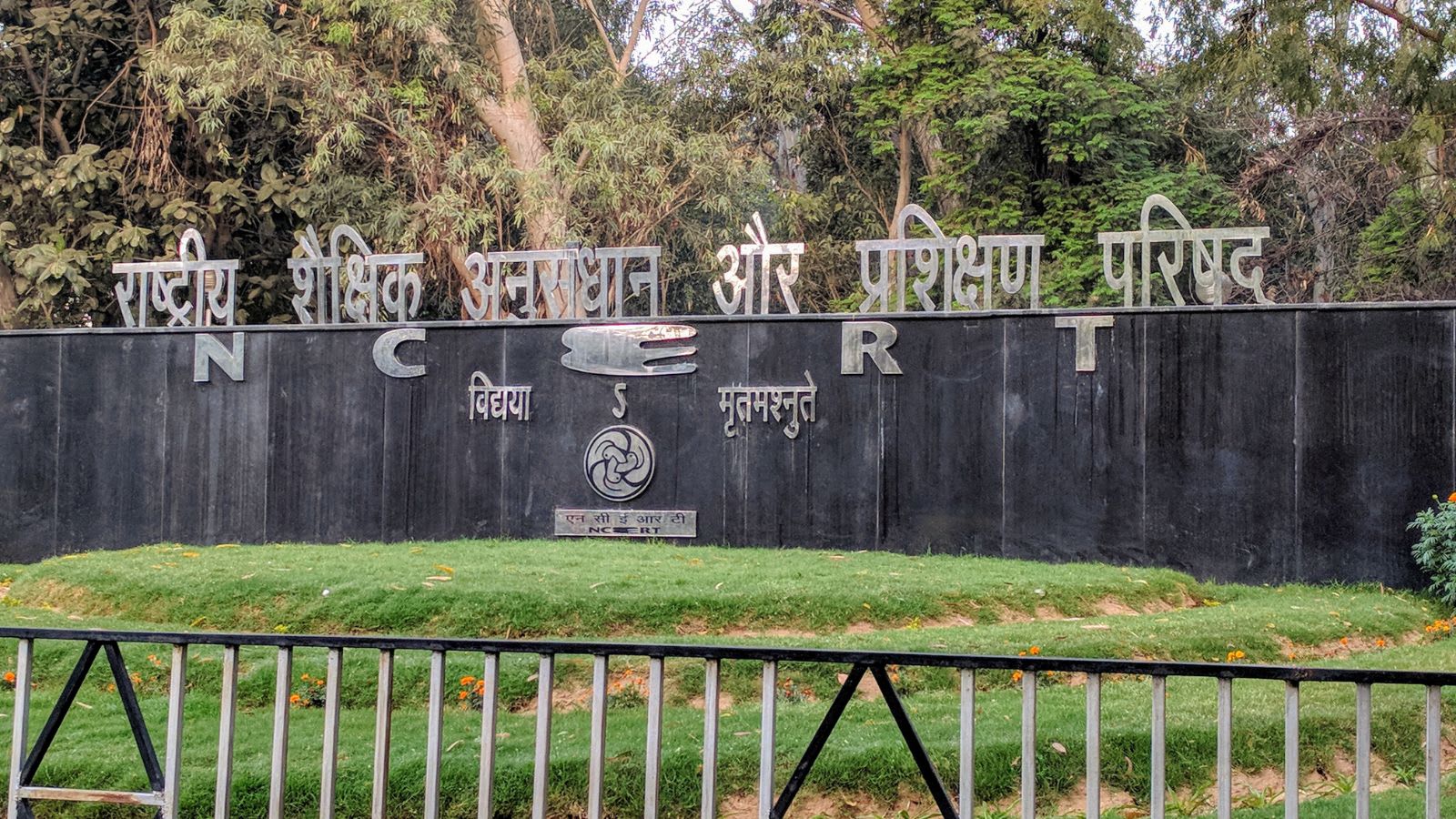
The NCERT has released a new Grade 9 Social Science textbook titled ‘Understanding Society: India and Beyond’ as part of the NCF-SE curriculum transition. This launch follows previous controversies involving the removal of content regarding judicial corruption in lower-grade materials.
NCERT Unveils New Curriculum for Grade 9
The National Council of Educational Research and Training (NCERT) has officially introduced its latest academic resource, ‘Understanding Society: India and Beyond, Social Science Textbook for Grade 9, Part 2’. This release marks a significant milestone in the ongoing overhaul of the Indian school curriculum, aligning with the broader objectives set forth by the National Curriculum Framework for School Education (NCF-SE). By updating these materials, the NCERT aims to modernize the pedagogical approach to social sciences, ensuring that students engage with contemporary societal structures.
Contextualizing the Curriculum Shift
The introduction of this textbook is not an isolated event but rather a component of a systematic transition. As the education system moves toward the guidelines established under the NCF-SE, the NCERT is systematically replacing outdated volumes with revised content. This transition is expected to influence upcoming academic cycles, including the 2027 CBSE board examinations, for which students and educators are already awaiting formal schedules. The synchronization between new textbook availability and board exam planning remains a critical operational priority for the Ministry of Education.
Historical Precedents and Content Sensitivity
Educational reforms in India are frequently subject to intense public and academic scrutiny. The current release occurs against the backdrop of previous editorial decisions, most notably the withdrawal of a Class 8 textbook that featured a chapter on “judicial corruption.” This prior event highlights the complex landscape of curriculum design, where the NCERT must balance pedagogical goals with the need for sensitive, accurate, and context-appropriate representation of institutional frameworks. The removal of the previous content serves as a reminder of the rigorous oversight applied to state-sponsored educational materials.
Strategic Distribution and Accessibility
Recognizing the need for widespread access, the NCERT has established a multi-channel distribution strategy for the new Grade 9 textbook. Starting September 29, 2026, the volume will be available via official Publication Division outlets, authorized vendors, the NCERT’s digital portal, and major e-commerce platforms like Amazon. This omnichannel approach is designed to mitigate the logistical challenges often associated with textbook rollouts in a country as vast as India, ensuring that students, parents, and schools can procure the necessary materials ahead of the next academic term.
Broader Implications for Secondary Education
The implementation of ‘Understanding Society: India and Beyond’ reflects a broader trend toward standardizing educational content to meet the evolving demands of the 21st-century classroom. By focusing on both local and global societal dynamics, the curriculum seeks to foster critical thinking among Grade 9 students. As the NCF-SE framework continues to roll out, the success of these textbooks will likely be measured by their ability to provide a balanced, comprehensive, and intellectually stimulating foundation for students preparing for the rigors of secondary education.
Concluding Outlook
As the education sector looks toward the 2027 academic year, the release of these textbooks provides a glimpse into the future of Indian secondary schooling. The focus remains on stability and adherence to national standards, even while navigating the complexities of content updates. Stakeholders will continue to monitor the impact of these changes on student learning outcomes and the overall efficacy of the National Curriculum Framework in the years to come.