IIT-B faculty writes to director, questions removal of protesting students
Source Entity
Latest News: Todays Latest News Headlines from India & World | Hindustan Times | Hindustan Times
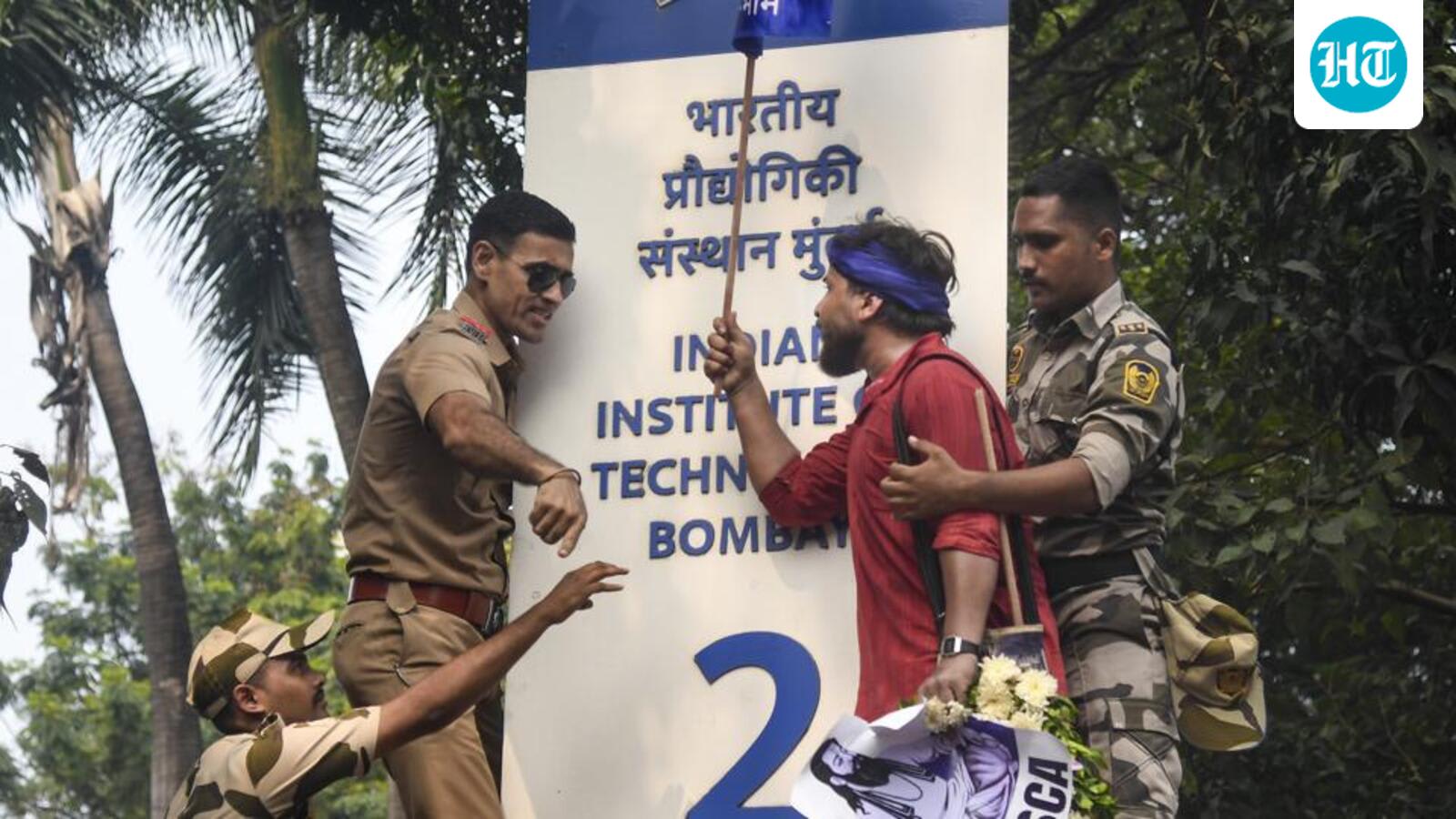
Faculty at IIT Bombay have formally questioned the administration regarding the police intervention that dispersed a student protest on October 18. The demonstrators were seeking justice for a student death, leading to concerns over campus safety and administrative accountability.
Faculty Confrontation at IIT Bombay: A Crisis of Governance
A significant rift has emerged at the Indian Institute of Technology (IIT) Bombay, as a group of approximately 20 faculty members has formally challenged the administration’s handling of student unrest. The conflict centers on events that transpired on October 18, when police were permitted to enter the campus to dismantle a protest that had been ongoing for nearly a month. This demonstration was initiated by students seeking justice following the tragic death of a peer in September, marking a period of intense grief and institutional scrutiny.
The Breach of Campus Autonomy
At the core of the faculty’s grievance is the perceived violation of the campus as a space for peaceful expression. By questioning the presence of police and the subsequent use of force to disperse students, the faculty is highlighting a critical tension between institutional order and the right to protest. The involvement of law enforcement in academic environments is historically fraught, and the faculty’s demand for a clear, transparent statement from Director Prof. Shireesh B. Kedare suggests a breakdown in trust regarding how the administration manages student crises.
Concerns Over Accountability and Transparency
Beyond the immediate physical dispersal, the faculty members have specifically queried the role of institute officials who were present during the police action. The demand to "fix responsibility" indicates that the faculty suspects administrative complicity or, at the very least, a failure of duty in protecting the student body. The lack of a formal, detailed explanation from the director’s office has exacerbated these tensions, creating an environment where rumors and allegations regarding detention and use of force remain unaddressed.
Historical Context of Student Protest
IIT Bombay, as a premier technical institution, has long been a site for intellectual discourse and student activism. When such institutions witness a month-long protest, it usually signals deep-seated dissatisfaction with internal grievance redressal mechanisms. The fact that this protest was linked to a student death adds a somber layer to the conflict, as the community is not merely debating policy but mourning a loss. The administration’s choice to involve police rather than engage in dialogue is being viewed by critics as a failure to foster a supportive academic culture.
Broader Implications for Higher Education
This incident serves as a bellwether for the broader challenges facing Indian higher education. The dynamic between university administrations and students is increasingly characterized by friction, especially when safety and mental health concerns—often the catalysts for such protests—are involved. The intervention of external law enforcement in academic spaces sets a precedent that could chill student engagement and campus life, potentially undermining the democratic ethos that institutions of higher learning are meant to uphold.
Looking Toward Resolution
To restore stability, the IIT Bombay administration must address the faculty’s concerns with transparency. By issuing a comprehensive statement and investigating the events of October 18, the leadership has an opportunity to rebuild its relationship with the academic community. Without a clear path to accountability, the divide between the faculty, the administration, and the students is likely to widen, potentially leading to further disruptions and a loss of institutional standing.
Verification Required?