IIT Bombay rethinks disciplinary action, mentor support after Sahil Wakode’s suicide
Source Entity
Pallavi Smart
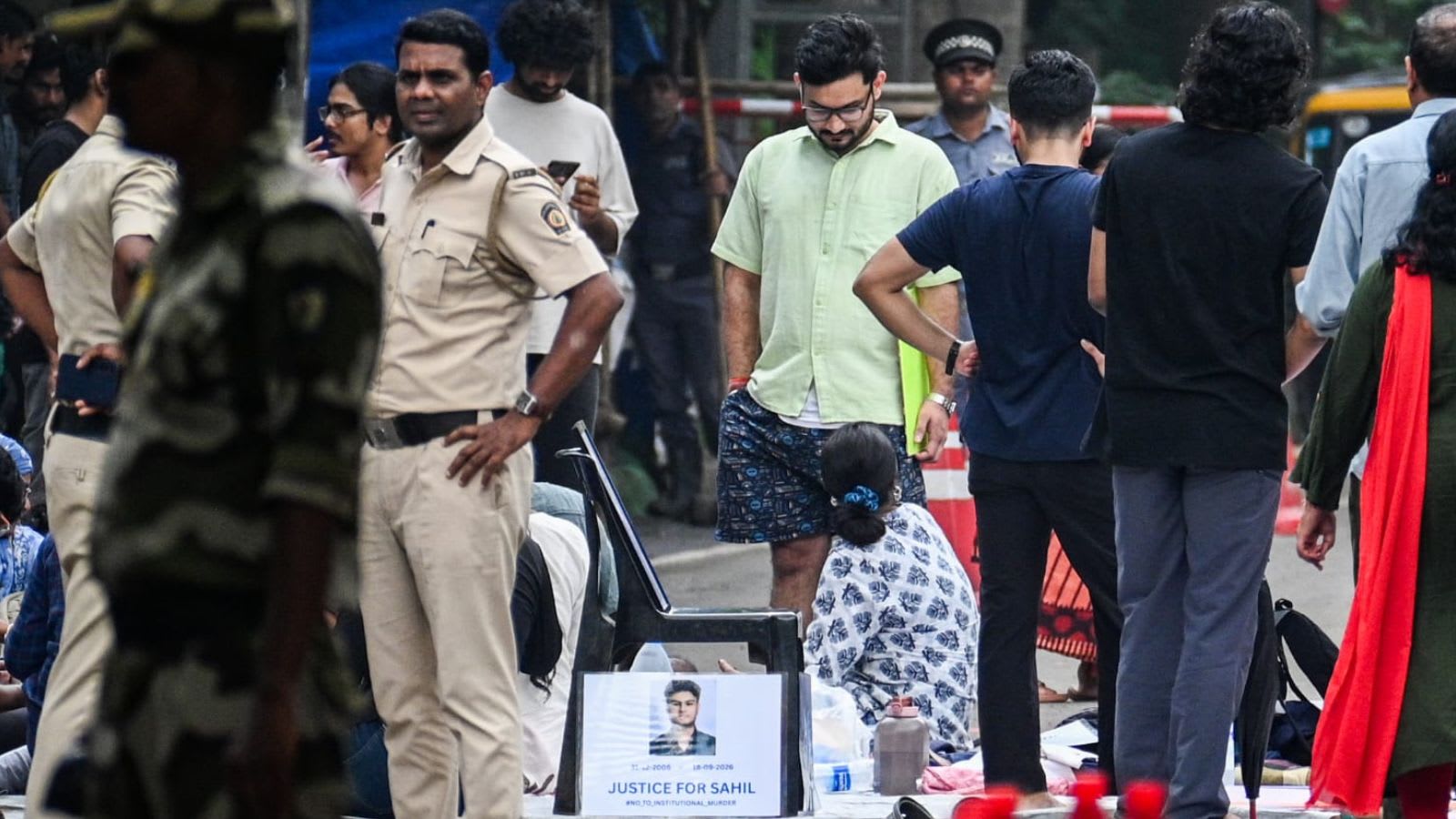
A second-year IIT-Bombay student died by suicide after being caught using AI to answer exam questions. The incident has sparked student protests demanding better mental health support and institutional accountability.
The IIT-Bombay Tragedy: Examining Institutional Pressure and Student Welfare
The recent death of a second-year student from the Department of Energy Science and Engineering at IIT-Bombay has sent shockwaves through the academic community. The student, who was discovered using a mobile device to upload exam questions to an AI platform for assistance, died by suicide shortly thereafter. This tragic event has ignited a broader conversation regarding the intense academic pressures faced by students at elite Indian institutions and the efficacy of current support systems.
The Intersection of Academic Rigor and Mental Health
While the institute has clarified that no formal disciplinary action was initiated against the student—noting that the matter was discussed with the instructor—the student body remains unconvinced. Large-scale protests outside the Powai campus highlight a growing disconnect between administrative policies and the lived experiences of students. The protestors are specifically calling for a detailed probe, arguing that institutional focus often leans too heavily on academic policing rather than holistic mental health support.
The Role of Technology and Academic Integrity
This incident highlights a modern pedagogical crisis: the temptation to utilize generative AI tools in high-stakes testing environments. While academic integrity is paramount, the reliance on AI by students often signals a deeper underlying issue of extreme performance pressure. The debate remains complex, as institutions must balance the need to prevent cheating with the understanding that academic environments, particularly those as rigorous as the IITs, can create immense psychological distress.
Caste, Privilege, and Institutional Culture
Beyond the immediate circumstances of the exam, the discourse surrounding this death has touched upon the sensitive issue of social equity within premier institutes. Discussions regarding the adjustment challenges faced by students from Scheduled Castes (SC) and Scheduled Tribes (ST) have resurfaced. Critics argue that the academic environment is often skewed toward English-speaking, privileged cohorts, potentially alienating students from diverse backgrounds and exacerbating the stress of competitive examinations.
Moving Toward Systemic Reform
The recurring nature of these incidents, including a previous suicide at the same hostel on July 28, suggests that the current mental health infrastructure at IIT-Bombay may be insufficient. The administration’s defensive stance—emphasizing that no disciplinary action was taken—clashes with the student narrative of systemic neglect. For future trends, it is likely that elite Indian universities will face increased pressure to implement mandatory, robust counseling services and to re-evaluate their disciplinary frameworks to prioritize student well-being over purely punitive or administrative measures.
Conclusion
This tragedy serves as a somber reminder of the human cost associated with the high-stakes culture of elite education. Whether the root cause is academic pressure, social alienation, or a lack of mental health resources, the incident necessitates a comprehensive institutional audit. The path forward requires a balance between maintaining academic standards and fostering an environment where students feel supported rather than scrutinized.
Multiple Citing Sources