IIT Delhi constitutes a five-member external panel to probe MSc student’s death
Source Entity
Sophiya Mathew
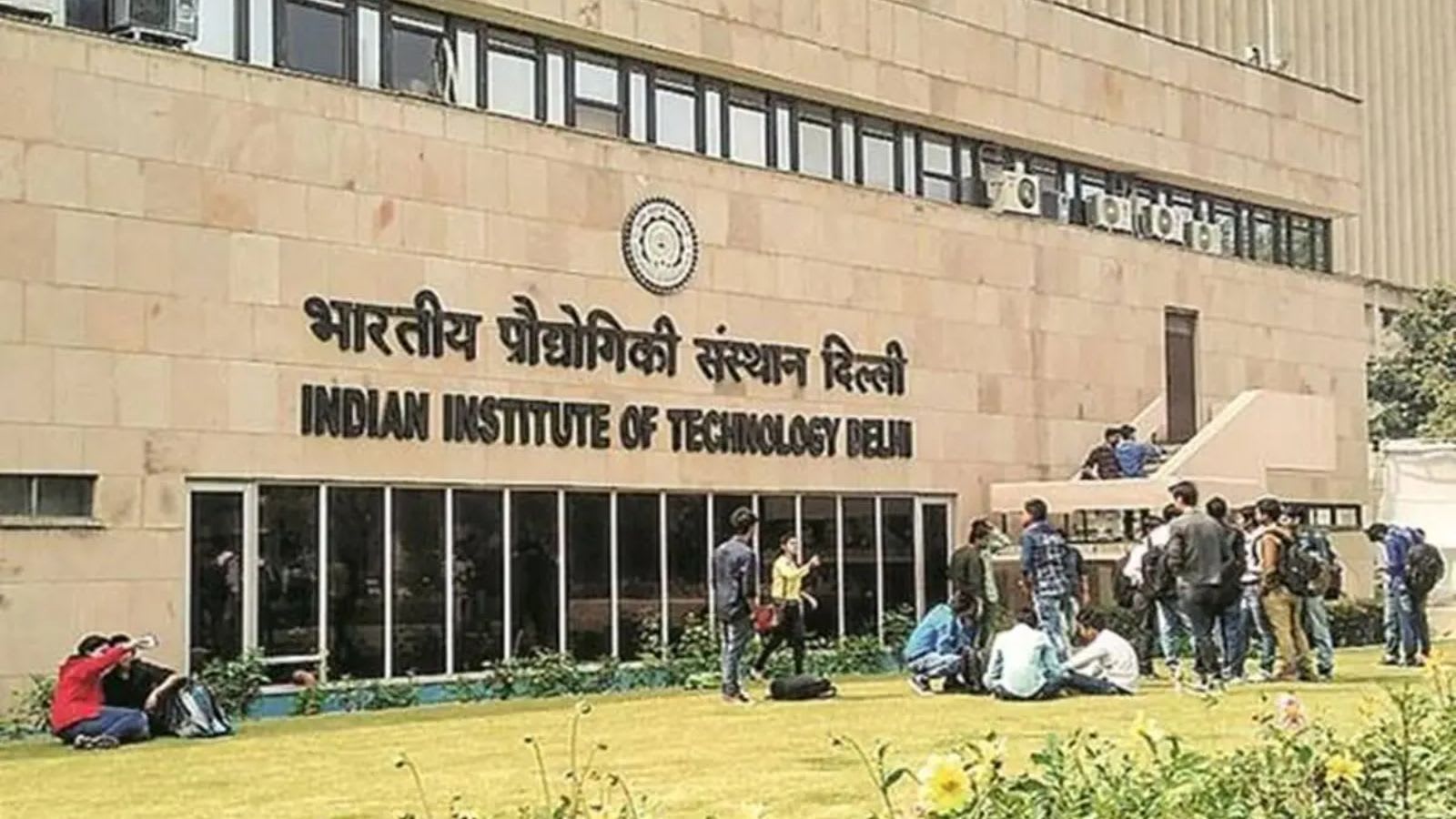
IIT Delhi students staged a significant protest following the death of an MSc student, the eighth such tragedy since 2023. In response, the administration has formed a five-member external committee to conduct an independent investigation.
Student Unrest at IIT Delhi: A Call for Systemic Reform
Recent events at the Indian Institute of Technology (IIT) Delhi have brought the issue of student mental health and institutional accountability to the forefront. Following the tragic death of 31-year-old MSc Physics student Rishikesh Kumar, nearly 300 students mobilized in an uncharacteristic display of dissent. Gathering first at the Lecture Hall Complex and subsequently occupying the lobby outside the director’s office, the student body demanded immediate administrative accountability.
The Weight of Recurrent Tragedies
The intensity of this protest is rooted in a disturbing trend: students report that Kumar’s death marks the eighth suicide at the institute since 2023. For a premier institution known for its academic rigor, this frequency of loss has created an atmosphere of grief and frustration. The protesters explicitly linked their mobilization to this pattern, arguing that the administration has failed to provide adequate support systems to prevent such recurring tragedies.
Demands for Accountability and Change
The student body has been vocal about their requirements for resolution. Beyond the immediate call for an independent inquiry, protesters have demanded the resignation of specific Deans and Associate Deans, signaling a deep-seated lack of trust in the current leadership’s handling of student welfare. Furthermore, the students highlighted systemic issues, including the denial of academic projects and allegations of moral profiling, which they believe contribute to an environment of excessive pressure.
Institutional Response: The External Panel
Recognizing the gravity of the situation and the mounting pressure from the student body, IIT Delhi Director Rangan Banerjee announced the formation of a five-member External Inquiry Committee. This committee is tasked with investigating the circumstances surrounding Kumar’s death and is expected to deliver its findings within two weeks. The inclusion of external experts, such as the head of the psychiatry department at AIIMS New Delhi and a former DGP, represents an attempt by the institute to ensure transparency and objectivity in the probe.
Broader Implications for Academic Institutions
The protests at IIT Delhi reflect a growing national conversation regarding the mental health infrastructure within India’s elite educational institutions. As students increasingly boycott classes to demand systemic changes, it is clear that the status quo is no longer viewed as acceptable. The demand for a 'pause' in the system suggests that the current academic culture, which often prioritizes performance over individual well-being, is undergoing a necessary, albeit painful, period of re-evaluation.
Future Outlook
The success of this external committee will likely serve as a benchmark for how similar institutions handle crises in the future. By involving student representatives in the inquiry process, the administration has taken a step toward bridging the trust deficit. However, the long-term resolution will depend on whether the committee's report leads to substantive policy changes, such as improved mental health support and a more compassionate approach to academic management, ensuring the safety and dignity of the student community.