IIT Roorkee Warns Students Against "Political Movement". Then A Clarification
Source Entity
NDTV News Search Records Found 1000
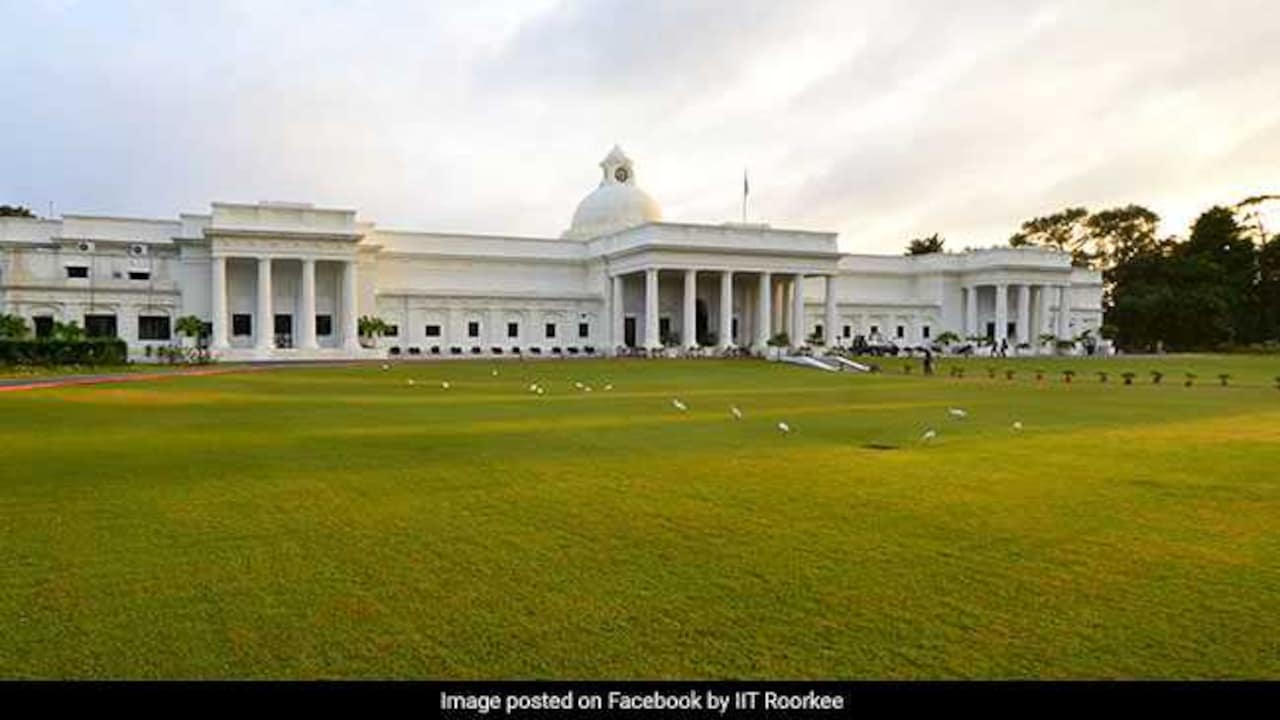
IIT Roorkee has issued an advisory prohibiting students and staff from participating in political activities or expressing public support for movements, citing potential embarrassment to the institute's relationship with the government. The move, prompted by ongoing protests by the Cockroach Janta Party, has sparked debate over academic freedom and administrative overreach.
Administrative Overreach or Institutional Protocol? The IIT Roorkee Advisory
The Indian Institute of Technology (IIT) Roorkee recently found itself at the center of a national debate following an advisory issued by its registrar’s office on July 20, 2026. The directive explicitly warns students and staff against engaging in political activities or expressing support for movements through social media platforms, specifically citing concerns that such public utterances could "embarrass relations between the institute and the government."
The Context of the Advisory
This directive emerged against the backdrop of significant national unrest, specifically large-scale protests organized by the Cockroach Janta Party (CJP) in New Delhi. The CJP has been actively demanding the resignation of Union Education Minister Dharmendra Pradhan, citing alleged grievances. The timing of the IIT’s notice suggests a proactive, albeit controversial, attempt by the administration to insulate the institution from the political volatility currently gripping the capital.
The "Gag Order" Controversy
Public reaction was swift, with many social media users and commentators labeling the directive a "gag order." Critics argue that such restrictions stifle the fundamental right to free expression and curtail the role of academic institutions as hubs for critical inquiry and sociopolitical discourse. The concern is that by mandating "permission" for political discussion, the administration is effectively chilling student activism and peer-to-peer political engagement.
Institutional Defense and Interpretation
In response to the backlash, IIT Roorkee officials have maintained that the communication was misunderstood and that the advisory is merely a re-articulation of existing institutional rules. The administration argues that the policy is designed to maintain the professional standing of the institute, emphasizing that its primary goal is to prevent the institution from becoming a proxy for partisan political agendas, which could threaten its functional relationship with the central government.
Balancing Academic Freedom and Institutional Neutrality
This incident highlights a growing tension within India's premier technical institutions: the struggle to balance the autonomy of students with the administrative necessity of maintaining a neutral, non-partisan campus environment. While the institute claims the rule is standard, the specific reference to "current" political movements raises questions about whether such policies are applied selectively during periods of heightened national tension.
Future Implications for Campus Discourse
Moving forward, the incident sets a precarious precedent for how elite academic institutions manage political expression. If the trend of restricting social media usage continues, it may lead to a more sanitized campus environment, potentially reducing the diversity of thought that is essential to higher education. Conversely, it forces a necessary conversation about the limits of institutional control and the extent to which public-funded bodies can dictate the personal opinions of their constituents.
Multiple Citing Sources
Verification Required?