Sinkholes, scarred land and scapegoats: the scourge of illegal gold mining in Johannesburg
Source Entity
Rachel Savage in Durban Deep
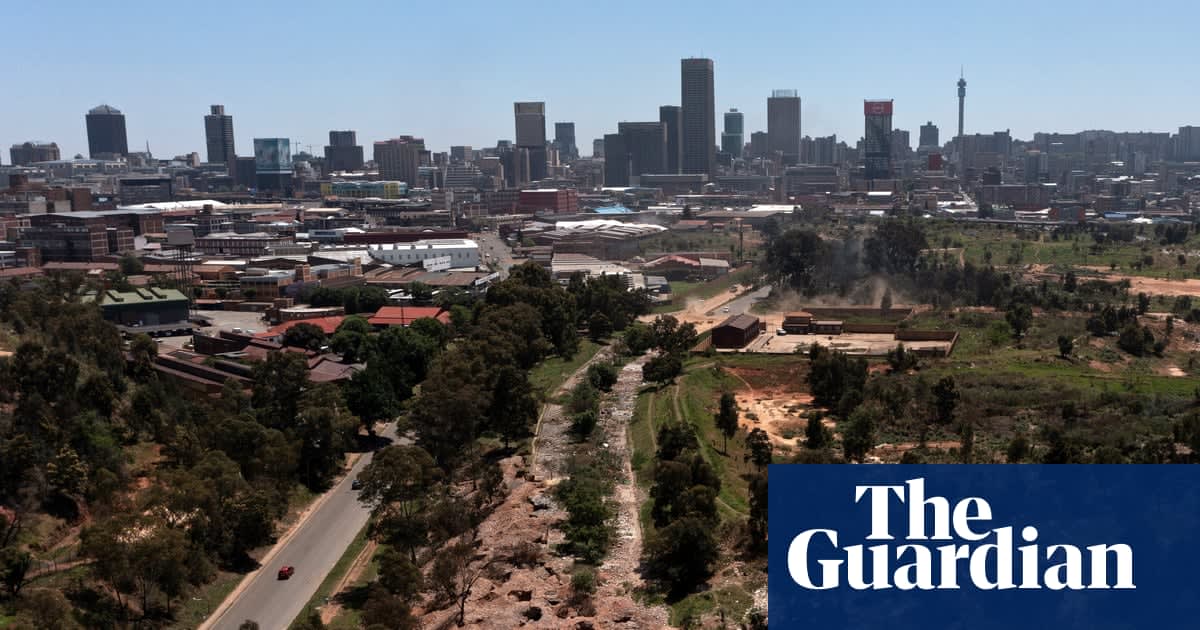
Illegal gold mining, known as zama zama activity, is escalating around Johannesburg due to rising gold prices. This surge is causing severe local infrastructure strain and environmental hazards for both communities and animal welfare organizations.
The Resurgence of Illegal Mining in Johannesburg
For decades, the landscape west of Johannesburg, particularly around Roodepoort, has been defined by the scars of a bygone industrial era. Abandoned mine shafts serve as a grim reminder of the region’s deep history with gold extraction. However, as global gold prices continue to climb, these dormant sites have become the epicenter of a dangerous and unregulated industry, as local residents like Cora Bailey, who has operated the Community Led Animal Welfare (Claw) charity since 1991, can attest.
The Rise of the 'Zama Zamas'
The term 'zama zama,' derived from the Zulu phrase for 'to take a chance,' has become synonymous with the illegal miners operating in these high-risk environments. Driven by economic necessity and the lure of precious metal, these individuals occupy abandoned shafts, often under hazardous conditions. The recent influx of miners in late September near the Claw facilities highlights the proximity of these operations to established community infrastructure, creating a volatile intersection between human desperation and public resources.
Resource Depletion and Local Impact
The environmental and resource toll of this activity is significant. As these illegal operations expand, they frequently infringe upon the limited resources allocated to local NGOs. In the case of Claw, the unauthorized use of water from tanks intended for the care of rescued and injured animals poses a direct threat to the organization's mission. When critical infrastructure like water supply is diverted for gold panning and processing, the stability of local welfare operations becomes increasingly precarious.
The Broader Economic Context
The correlation between global gold market fluctuations and the intensity of zama zama activity is a clear indicator of how macro-economic trends manifest in hyper-local crises. As the price of gold rises, the incentive to engage in high-risk, illegal mining overrides the inherent dangers of collapsing shafts and legal repercussions. This cycle creates a 'scapegoat' dynamic where the miners are often viewed through a lens of criminality, yet the systemic issues—poverty and the legacy of abandoned industrial sites—remain unaddressed.
Future Trends and Consequences
Looking ahead, the situation in Roodepoort reflects a growing trend of environmental degradation and infrastructure strain in post-mining regions. Without comprehensive government intervention to secure abandoned shafts and address the economic drivers of illegal mining, the conflict between zama zamas and local entities will likely escalate. The sustainability of community-run organizations like Claw is currently at risk, as they find themselves on the front lines of a resource war that the municipal government is currently struggling to manage.
Conclusion
The scourge of illegal gold mining in Johannesburg is far more than a local nuisance; it is a manifestation of systemic economic failure. The plight of Cora Bailey and her organization serves as a microcosm for the broader societal impact of unregulated mining. Until there is a concerted effort to rehabilitate these landscapes and provide viable economic alternatives, the cycle of environmental damage and competition for scarce resources will continue to threaten the fabric of Johannesburg’s townships.