IMD forecasts week-long rain in Shimla, Dehradun; Delhi to see light showers
Source Entity
The Indian Express
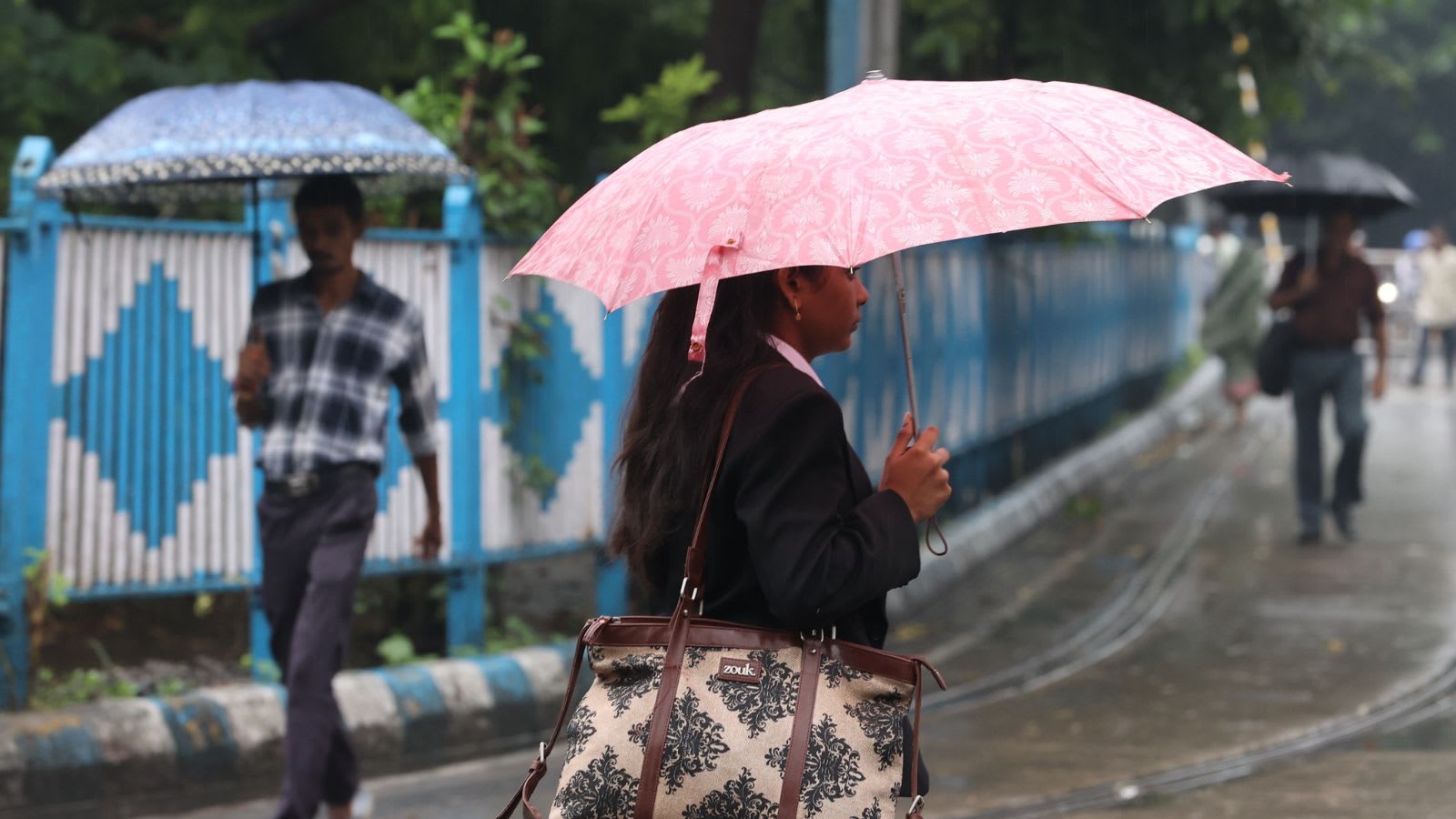
The India Meteorological Department has forecast a week-long spell of rain and thunderstorms for Shimla and Dehradun. Residents and travelers are advised to exercise caution due to potential visibility issues and slippery road conditions.
Meteorological Overview: Wet Spell Across Hill Stations
The India Meteorological Department (IMD) has issued a significant weather forecast for the northern hill states, specifically targeting the cities of Shimla and Dehradun. The data suggests an active monsoon pattern, with light to moderate rain and thundershowers expected to persist throughout the week. This persistent weather activity is slated to continue through July 30, with a continued, albeit slightly varied, intensity lasting from July 31 through August 2.
Regional Impact on Shimla and Dehradun
For the city of Shimla, the forecast remains consistent with daily rain and thunderstorm activity extending until August 2. Temperature profiles in the region are expected to remain cool, with maximums hovering between 22 and 24 degrees Celsius and minimums maintaining a stable range of 18 to 19 degrees Celsius. Similarly, Dehradun and several surrounding districts in Uttarakhand are bracing for a prolonged wet spell, reflecting the broader meteorological trends affecting the Himalayan foothills during this monsoon season.
Safety Concerns and Road Infrastructure
Beyond the raw meteorological data, the IMD has issued cautionary notes regarding public safety. The primary concern during this wet spell involves reduced visibility and the degradation of road conditions. Slippery surfaces significantly increase the risk of vehicular accidents, including skidding and collisions. Given the treacherous, winding nature of roads in Shimla and Dehradun, these warnings are critical for local commuters and tourists alike.
Broader Implications of Monsoon Variability
This forecasted weather is emblematic of the typical monsoon behavior in the Himalayan region, where orographic lift often intensifies rainfall. The persistent nature of these showers, while essential for regional water tables, places a strain on local infrastructure. Historical trends indicate that such sustained rainfall in these states frequently necessitates heightened disaster management preparedness to mitigate the risks of landslides and localized flooding.
Expert Outlook and Future Trends
Looking ahead, the predictability of these rain patterns allows for better logistical planning for both local authorities and the tourism sector. As the IMD continues to monitor the moisture influx, the focus shifts toward real-time updates. Residents are advised to stay informed via official bulletins, as the combination of mountainous terrain and heavy precipitation requires constant vigilance to ensure safety and minimize disruption to essential services.