IMF data shows hiring trends across Asia fell 10% in AI-exposed roles
Source Entity
The Indian Express
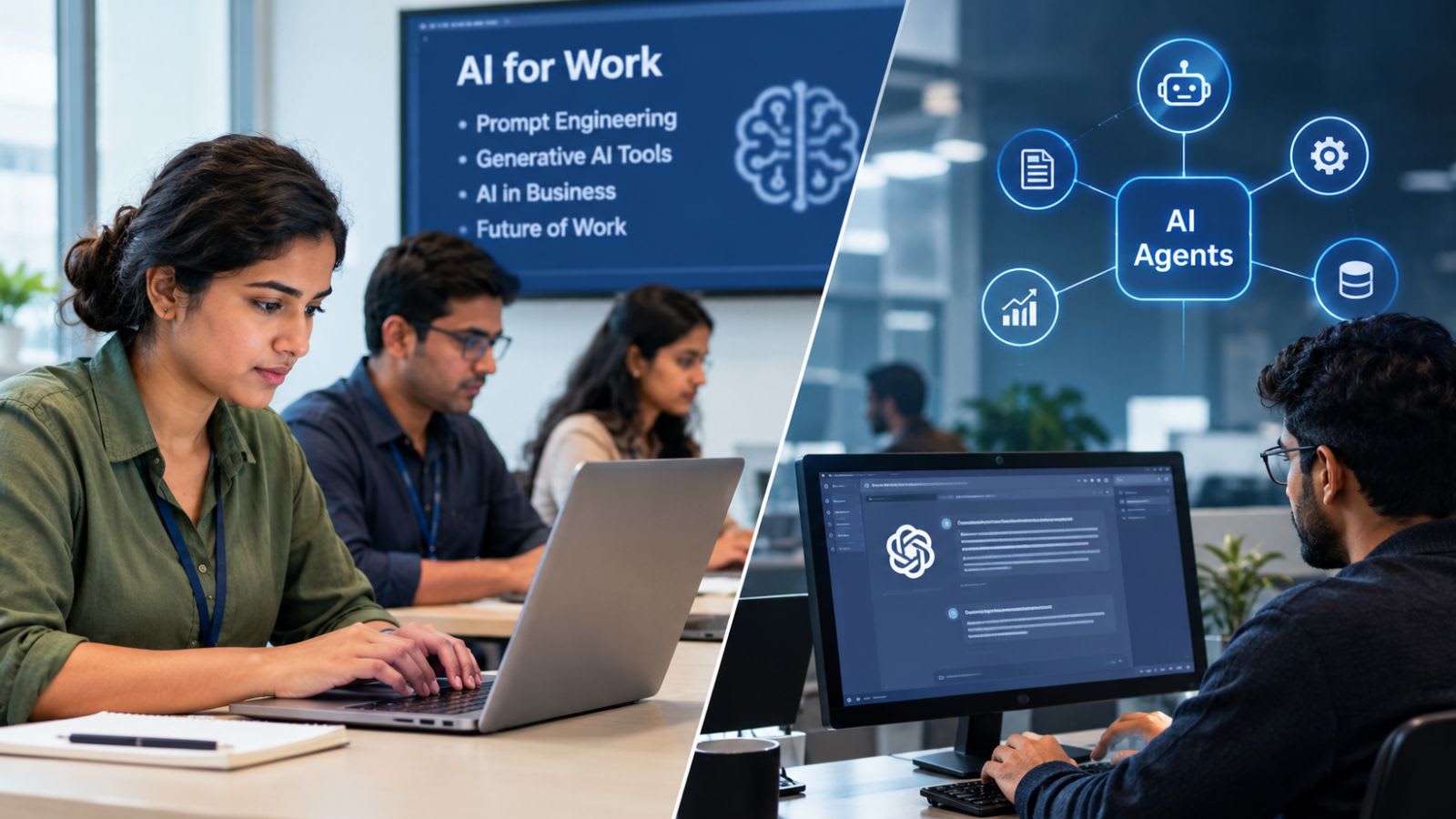
The IMF reports a 10% decline in hiring demand for AI-exposed roles across Asia following the rise of generative AI. This shift highlights a significant transformation in labor market preferences across 19 regional economies.
The Structural Shift in Asian Labor Markets
The landscape of the Asian labor market has undergone a profound transformation since the public debut of OpenAI’s ChatGPT in November 2022. As detailed in the IMF’s October 2026 Regional Economic Outlook for the Asia-Pacific region, the integration of generative AI into the workplace has begun to manifest as a measurable reduction in hiring demand. Specifically, job roles deemed highly exposed to AI automation have seen a nearly 10% decrease in employer demand compared to positions less susceptible to such technologies.
Methodology and Empirical Scope
This data-driven insight is derived from a massive analysis of 40 million online job postings spanning 19 diverse Asian economies, ranging from low-income nations to advanced markets. By tracking employer demand for specific skills on a monthly basis through April 2026, the IMF has provided one of the most comprehensive empirical assessments of how AI is currently reshaping the regional employment ecosystem.
Defining Exposure: The Coding vs. Management Dichotomy
To understand this shift, the IMF classifies occupations based on their inherent 'AI utility.' Positions that require routine technical tasks, such as coding or data entry, are categorized as highly exposed, as generative AI models can perform these functions with increasing efficiency. Conversely, roles centered on human-centric tasks, such as managing complex supplier relationships, are identified as less exposed to immediate displacement, as they require nuanced interpersonal coordination that AI currently struggles to replicate.
Broader Economic Implications
The 10% decline in hiring for AI-exposed roles signals a transition toward a 'skills-complementary' economy. Employers are not necessarily abandoning these roles but are recalibrating their requirements, likely favoring candidates who can leverage AI tools to increase productivity rather than those who perform manual technical tasks in isolation. This necessitates a massive regional pivot toward upskilling and workforce retraining to ensure that the labor force remains relevant in an AI-augmented environment.
Future Trends and Regional Resilience
Looking forward, the disparity in hiring trends between AI-exposed and less-exposed roles is expected to widen as AI tools become more integrated into corporate infrastructure. Nations that prioritize digital literacy and the adoption of AI-collaborative work models will likely see greater resilience. The challenge for policymakers will be to manage this transition without stifling innovation, ensuring that the displacement of traditional tasks does not lead to long-term structural unemployment across the Asia-Pacific region.