‘It might have been exactly same’: Film director Imtiaz Ali on making 'Jab We Met' today | HTLS 2026
Source Entity
Latest News: Todays Latest News Headlines from India & World | Hindustan Times
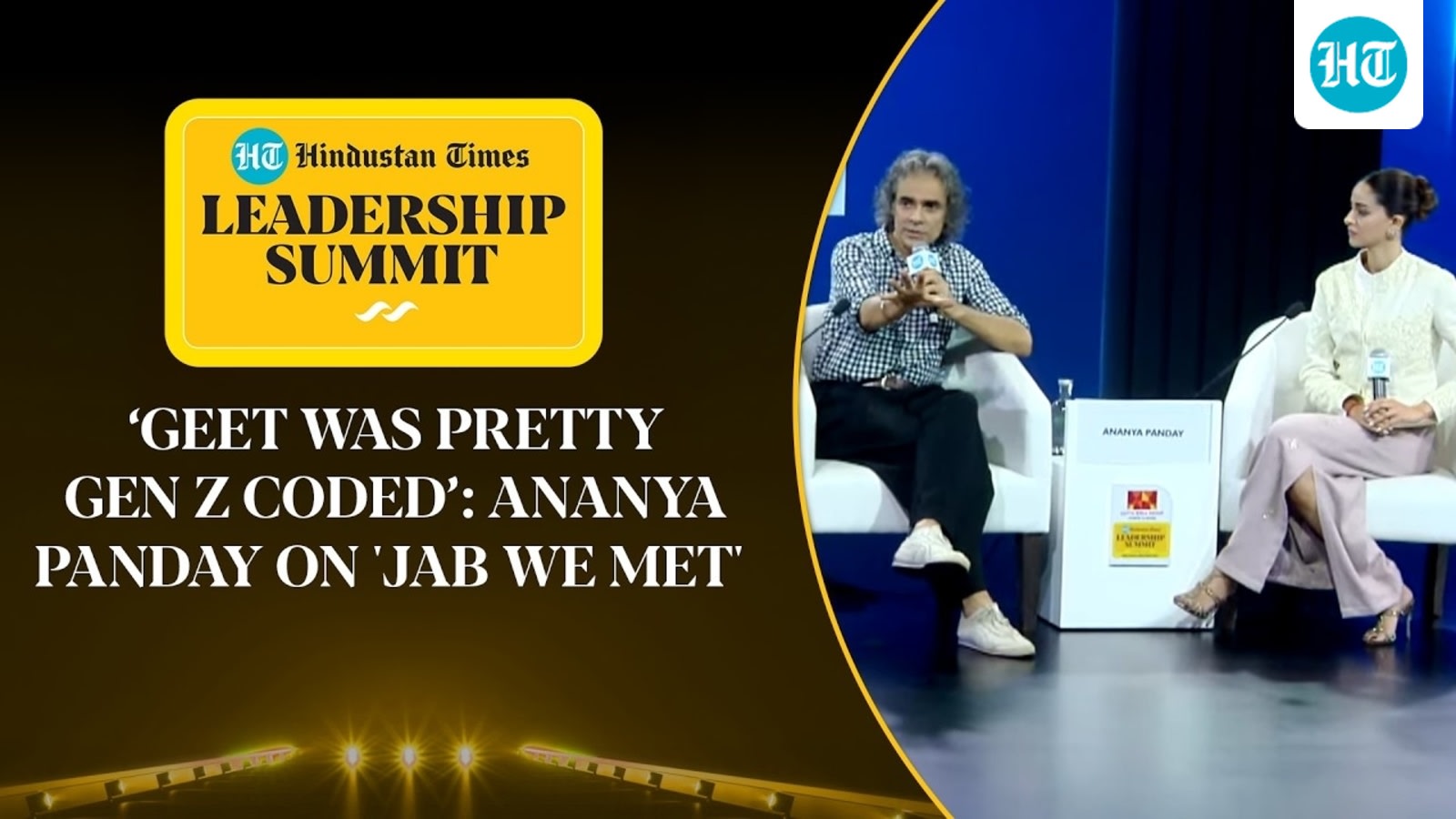
Filmmaker Imtiaz Ali and actor Ananya Panday discussed the evolving landscape of Indian cinema at the 24th Hindustan Times Leadership Summit. The conversation highlighted shifting industry trends, the success of unconventional films like 'Dhurandhar', and changing generational perspectives on success.
The Evolving Landscape of Indian Cinema: Insights from HTLS 2026
At the 24th Hindustan Times Leadership Summit, acclaimed director Imtiaz Ali and actor Ananya Panday provided a candid look into the current state of the Indian film industry. Describing the present era as a "delicious phase," Ali emphasized that the industry is currently undergoing a significant period of introspection. This sentiment captures the tension between traditional filmmaking models and the need for fresh, unconventional narratives in an increasingly fragmented media landscape.
Breaking the Mold: The Success of 'Dhurandhar'
A central theme of the discussion was the unpredictable nature of audience reception. Imtiaz Ali reflected on the journey of the film Dhurandhar, which starred Ranveer Singh and was released in December of last year. Despite initial skepticism from industry insiders who deemed the project "impractical" and unlikely to succeed, the film defied expectations to become a blockbuster. This success serves as a powerful case study for the industry, proving that breaking established rules can often lead to greater commercial and critical rewards than adhering to formulaic trends.
The Timelessness of Iconic Characters
During the summit, Ali addressed the enduring legacy of his own work, specifically the character of Geet from the iconic film Jab We Met. When asked how the character might be interpreted in a modern context, Ali suggested that the portrayal would likely remain "exactly the same" if made today. This suggests that while production technologies and distribution methods evolve, the fundamental human emotions and character archetypes that resonate with audiences remain constant, even in the age of smartphones and social media.
Gen-Z and the Redefinition of Success
Ananya Panday, representing the younger generation of Bollywood, offered a spirited defense of Gen-Z. Addressing common criticisms regarding work ethic and ambition, Panday argued that her generation is unfairly labeled as "badnaam" (notorious). She posited that the perceived lack of drive is actually a fundamental difference in how success is defined. For the younger generation, the traditional requirement of constant, grueling labor is being replaced by a more balanced, intentional approach to career and life.
Navigating the Future of Storytelling
As the industry grapples with questions regarding star power versus content-driven projects, the conversation at HTLS 2026 underscored the necessity of adaptation. Ali noted that while the "language" of cinema may change, the core challenge for filmmakers remains the same: capturing the audience's imagination in a market where "nothing seems to be working" by traditional standards. The summit served as a platform for these industry leaders to acknowledge that the only way forward is through brave experimentation and a willingness to challenge the status quo.
Concluding Thoughts
The dialogue between Ali and Panday highlights a pivotal moment for Indian cinema. By balancing the wisdom of an established filmmaker with the fresh perspective of a rising star, the summit provided a comprehensive overview of a sector in transition. Whether through the lens of character development or the broader economic realities of the box office, the consensus remains clear: the future of Indian film lies in the courage to defy expectations and embrace new definitions of success.
Multiple Citing Sources
Verification Required?