At Hindustan Times Leadership Summit 2026, Ananya Panday defends GenZ, says they are ‘badnaam for no reason’
Source Entity
Latest News: Todays Latest News Headlines from India & World | Hindustan Times
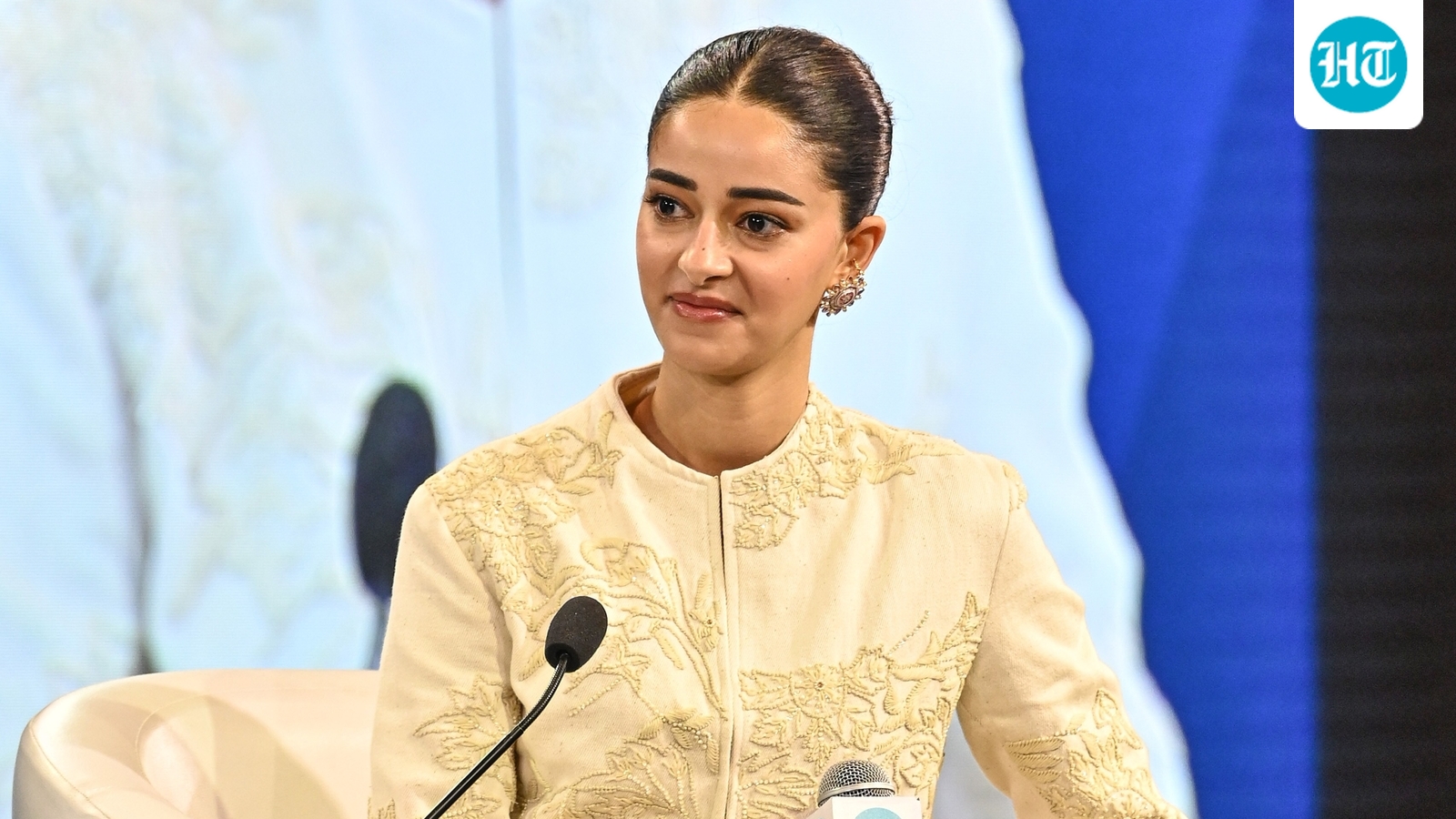
Filmmaker Imtiaz Ali and actor Ananya Panday discussed the evolving landscape of Indian cinema at the 24th HT Leadership Summit. The conversation explored themes of modern relationships, the success of unconventional films, and shifting generational perspectives on ambition.
A New Era for Indian Cinema: Insights from HTLS 2026
At the 24th Hindustan Times Leadership Summit, acclaimed director Imtiaz Ali and actor Ananya Panday engaged in a profound dialogue regarding the current state of the Indian film industry. Ali described the present climate as a "delicious phase," marked by significant introspection. This transition period reflects a broader industry shift where traditional formulas are being questioned, and filmmakers are navigating the fine line between commercial viability and artistic integrity.
Redefining Success and Generational Perspectives
Ananya Panday, representing the voice of Gen-Z, addressed common misconceptions regarding the work ethic of younger actors. She pushed back against the narrative that younger generations are unwilling to "slog," suggesting instead that the definition of success has evolved. This sentiment highlights a critical cultural shift where mental health, work-life balance, and personal fulfillment are increasingly prioritized alongside professional accolades, challenging legacy perceptions of what constitutes a "hard-earned" career.
The Timelessness of Iconic Characters
Imtiaz Ali provided fascinating insight into his own filmography, specifically addressing his cult classic Jab We Met. He noted that the iconic character of Geet, portrayed by Kareena Kapoor, would likely remain unchanged if the film were produced today. This suggests that while technology—such as smartphones and social media—has drastically altered the mechanics of modern relationships, the fundamental human emotions and character archetypes remain constant. The challenge for contemporary directors is to integrate modern digital contexts without compromising the core human connection that defines a story.
Breaking the Rules of Commercial Cinema
One of the most compelling segments of the discussion centered on the film Dhurandhar, starring Ranveer Singh. Ali revealed that the film was initially perceived as "impractical" and unlikely to succeed by studio executives. Its subsequent status as a blockbuster serves as a powerful case study for the industry. It proves that audiences are often more receptive to unconventional narratives than industry gatekeepers assume, and it highlights a trend where "rule-breaking" is becoming a prerequisite for massive commercial success.
The Future of Storytelling
As the industry navigates this "phase of introspection," the dialogue between Ali and Panday underscores the tension between relying on big-star power and prioritizing unique storytelling. The overarching takeaway from the summit is that the Indian film industry is in a state of flux, moving away from rigid "formulas" toward a more experimental model. For creators, the task ahead is to embrace this uncertainty as an opportunity for evolution, ensuring that the "language" of cinema continues to reflect the changing realities of the Indian audience.
Conclusion
The insights shared at the 24th HT Leadership Summit suggest that while the tools and distribution methods of cinema are changing rapidly, the appetite for authentic, rule-breaking storytelling remains as strong as ever. By balancing the wisdom of veteran filmmakers like Imtiaz Ali with the fresh perspectives of stars like Ananya Panday, the Indian film industry appears poised to overcome its current "delicious" uncertainty and define a new, more dynamic era of entertainment.
Multiple Citing Sources
Verification Required?