Midnight wasn't the end: What happened in the first few hours of Independent India
Source Entity
KANCHAN YADAV
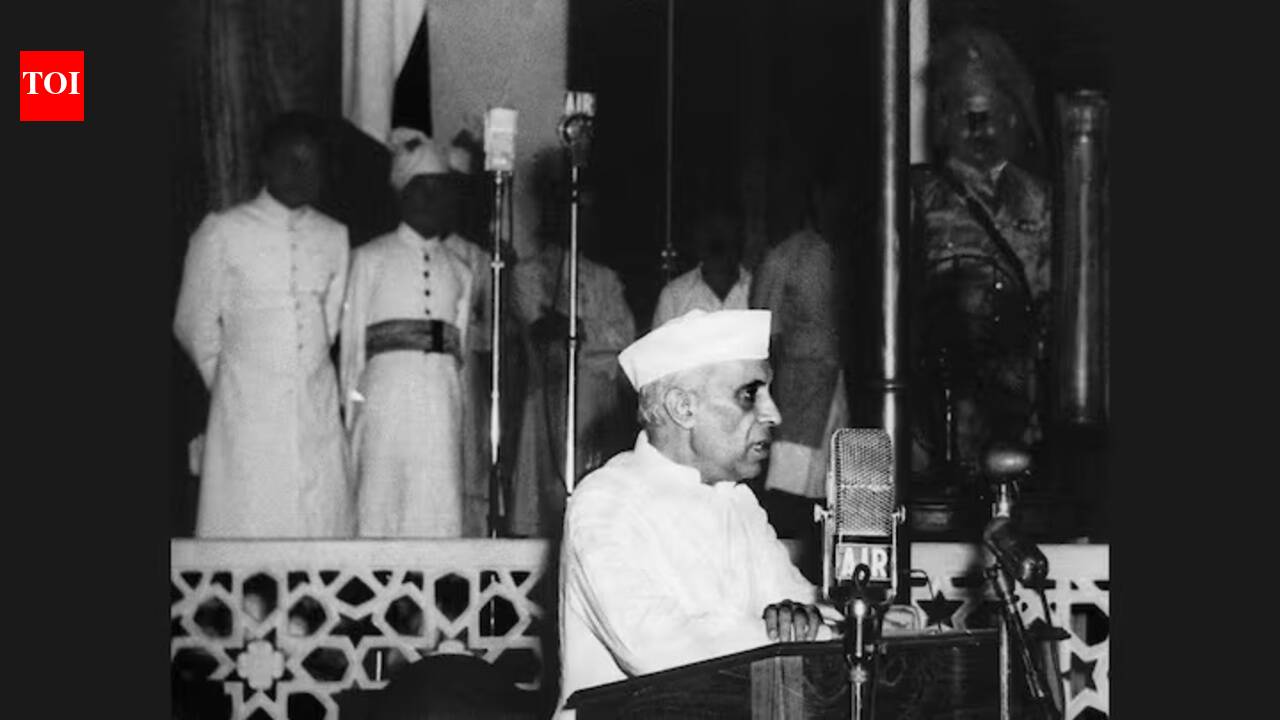
As India reflects on its journey to independence, the stories of freedom fighters like YC Revanna highlight the grassroots fervor of the Quit India movement. Historical accounts also shed light on Gandhi’s absence from Delhi on August 15, 1947, and the immense challenges of integrating princely states into a unified nation.
The Grassroots Spirit: Youth and the Quit India Movement
The narrative of India’s independence is often defined by high-level political negotiations, yet the story of 99-year-old YC Revanna provides a vital, human-centric perspective. In 1942, as a 15-year-old student, Revanna chose to abandon the classroom for the streets, joining the Quit India movement. This act of defiance, replicated by countless students across the nation, underscores the profound influence of regional leaders like Devaraj Urs and MN Jois. Their ability to galvanize the youth into participating in a movement for national sovereignty illustrates how freedom was not just a top-down mandate but a collective, visceral aspiration of the Indian populace.
The Paradox of August 15, 1947
While the national capital of Delhi was immersed in the pomp and circumstance of the swearing-in of Lord Louis Mountbatten as Governor-General, the absence of Mahatma Gandhi remains a poignant historical footnote. Despite the fervent chants of "Mahatma Gandhi ki jai" echoing through the streets of Delhi, Gandhi was notably absent from the festivities. His decision to remain in Calcutta, following a brief visit to Kashmir, highlights the somber reality of the time. While the nation celebrated, Gandhi was focused on the immediate, internal challenges of a country fractured by the looming reality of partition and communal unrest.
The Challenge of Integration: Stitching a Nation
Beyond the celebrations of August 15, 1947, lay the daunting task of territorial consolidation. The departure of the British left behind more than 500 princely states, many of which held semi-autonomous status. This complex political landscape, characterized by both exploitation and colonial pampering, posed a significant threat to the unity of the newly born nation. The integration of these states was not a given, but a hard-earned process that required delicate diplomacy and firm resolve to turn a collection of chiefdoms into a singular, unified India.
Historical Continuity and Legacy
Reflecting on the experiences of individuals like Revanna—one of the last surviving witnesses to the freedom struggle—provides a bridge between the past and the present. His call for the youth of Gen Z to continue movements for the "nation’s good" serves as a bridge between the anti-colonial struggles of the 1940s and contemporary civic duty. It reminds us that the state-building process initiated in 1947 was only the beginning of a long-term project that continues to evolve.
Broader Implications and Future Trends
The complexities of 1947, from the logistical hurdles of integrating princely states to the moral weight carried by figures like Gandhi, demonstrate that independence was a multifaceted struggle. As India moves forward, the trend of re-evaluating these historical moments through oral histories and archival research becomes increasingly critical. By understanding the grassroots commitment of 1942 and the diplomatic crises of 1947, modern society gains a clearer view of the structural foundations upon which the current republic rests.
Conclusion
In conclusion, the history of Indian independence is a tapestry woven with the bravery of ordinary students, the quiet moral leadership of figures like Gandhi, and the monumental administrative challenges faced by the architects of the nation. These events collectively remind us that the sovereignty enjoyed today is the result of both grand political designs and the individual sacrifices of those who, like Revanna, chose to leap out of windows and into the pages of history.
Multiple Citing Sources