Okayed trials for polymer notes for ₹10, 20; no plan to replace paper yet: Govt
Source Entity
Latest News: Todays Latest News Headlines from India & World | Hindustan Times | Hindustan Times
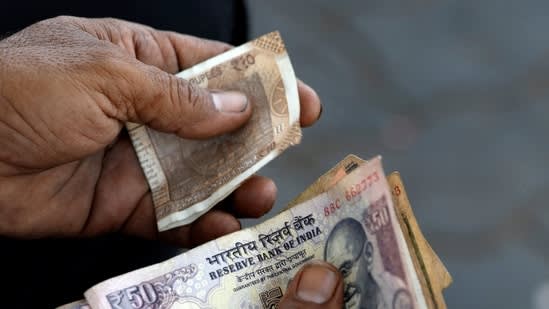
The Indian government has approved field trials for polymer banknotes in ₹10 and ₹20 denominations following an RBI proposal. Officials clarified that this initiative is strictly for testing purposes and there are currently no plans to replace traditional paper currency.
Transitioning to Polymer: India's Strategic Currency Trial
The Indian government recently confirmed in the Lok Sabha that the Reserve Bank of India (RBI) has received approval to initiate field trials for polymer-based banknotes in the ₹10 and ₹20 denominations. This move, which involves the printing of one billion pieces for each denomination, marks a significant technological shift in India's currency management strategy. By moving toward polymer substrates, the RBI is exploring materials that offer greater durability and resistance to environmental factors compared to traditional cotton-fiber paper.
The Role of BRBNMPL and Global Standards
To facilitate this transition, the Bharatiya Reserve Bank Note Mudran Private Limited (BRBNMPL), the primary currency-printing subsidiary of the RBI, took a decisive step on July 17 by floating a Global Expression of Interest. By inviting international manufacturers to supply opacified polymer substrate sheets, the RBI is ensuring that the trial utilizes world-class materials that meet stringent security and quality standards. This global outreach highlights the complexity of shifting manufacturing processes and the need to align with international best practices in currency longevity.
Clarifying the Scope: Trials Versus Replacement
Despite the scale of the trial, Minister of State for Finance Pankaj Chaudhary was explicit in clarifying that there is currently no policy framework or intention to phase out existing paper currency. The initiative is confined strictly to field trials, designed to assess the performance, public acceptance, and logistical viability of polymer notes in the Indian climate. This clarification is crucial, as it mitigates potential public anxiety regarding a broader demonetization or a sudden overhaul of the national currency system.
Why Polymer? Durability and Security
Polymer banknotes are widely recognized for their enhanced security features and longer lifespan. Unlike cotton paper, which is susceptible to moisture, humidity, and wear, polymer notes are essentially non-porous and resistant to dirt, making them ideal for the high-velocity circulation typical of lower-denomination notes like the ₹10 and ₹20. These denominations are the most frequently handled, meaning they suffer the highest rate of physical degradation, making them the logical testing ground for a more resilient substrate.
Future Implications for Indian Currency
If these trials prove successful, the long-term implications could be transformative for the RBI's cost-efficiency. While the initial cost of producing polymer notes is typically higher than paper, the extended circulation life of plastic-based notes often leads to lower replacement costs over time. Furthermore, the integration of advanced security features into the polymer substrate could provide a more robust defense against counterfeiting, a persistent priority for the central bank.
Conclusion
In summary, the government's approval of polymer note trials represents a measured, evidence-based approach to currency innovation. By limiting the scope to field testing and utilizing global expertise, the RBI is positioning itself to make informed decisions about the future of India's physical money supply. As the country moves toward a digital-first economy, these physical upgrades serve as a vital component in maintaining the integrity and efficiency of the remaining cash-based ecosystem.
Verification Required?