India lands at 10% under US forced-labour tariff, escapes steeper 12.5%
Source Entity
Latest News: Todays Latest News Headlines from India & World | Hindustan Times | Hindustan Times
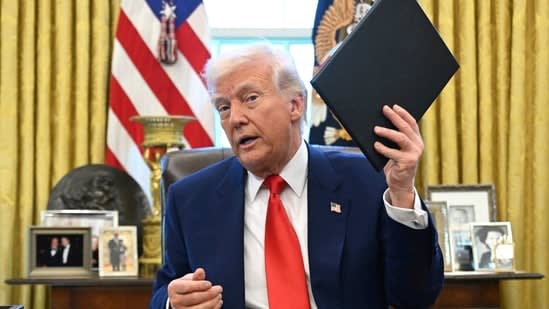
India has secured a 10% tariff rate on US exports, avoiding a more punitive 12.5% levy by implementing stricter forced-labour import regulations. This strategic positioning keeps India competitive against major textile rivals like Bangladesh while navigating the Trump administration's Section 301 trade framework.
India Secures Favorable US Tariff Status Amid Global Trade Shifts
Navigating the Section 301 Tariff Landscape
India has successfully navigated a complex trade negotiation, securing a 10% tariff rate on its exports to the United States. This outcome, effective from Friday, marks a significant diplomatic and economic success as it avoids the more punitive 12.5% levy originally proposed in the Office of the US Trade Representative’s (USTR) June draft. By aligning its domestic policies with international standards—specifically by tightening rules against forced-labour imports—India has demonstrated a proactive approach to mitigating trade barriers in a protectionist global climate.
The Mechanics of the 10% Duty
The implementation of this 10% tariff follows the expiration of a temporary duty of the same rate on July 24. Under the authority of Section 301 of the US Trade Act of 1974, the Trump administration has categorized various economies based on their trade practices and regulatory compliance. India’s inclusion in the 10% bracket, alongside 16 other nations, suggests that the USTR recognizes India's efforts to address the forced-labour concerns that have become a focal point of US trade policy.
Strategic Competitive Positioning
One of the most critical aspects of this development is India's relative positioning compared to regional competitors. By avoiding the 12.5% bracket, India maintains a level playing field against major textile and garment exporters like Bangladesh, Pakistan, and Sri Lanka, who were also placed in the 10% tier. Had India fallen into the higher 12.5% category, it would have faced a distinct comparative disadvantage against approximately 36 other economies—including China and Vietnam—that were subjected to the steeper, more restrictive tariff regime.
The Role of Forced-Labour Regulation
The decision by the USTR to grant India the lower tariff rate is inextricably linked to New Delhi's recent legislative and administrative actions. By tightening rules against forced-labour imports, India has effectively met the conditions required by the USTR to avoid the higher-tier penalties. This serves as a case study in how modern trade policy is increasingly tied to supply chain ethics and labor standards, forcing global economies to adopt stringent internal regulations to maintain market access to the United States.
Future Outlook and Economic Implications
Looking ahead, India’s ability to sustain this 10% bracket will depend on its continued enforcement of labor standards and its agility in responding to shifting US trade priorities. While the 10% tariff still represents an additional cost to Indian exporters, the avoidance of the higher rate provides a vital buffer for the textile and manufacturing sectors. As the global trade landscape remains volatile, India's success in this negotiation highlights the importance of regulatory alignment as a core component of national export strategy.
Verification Required?