Amid tensions over Sheikh Hasina, Dinesh Trivedi may call on Bangladesh PM today for BRICS invite
Source Entity
Divya A
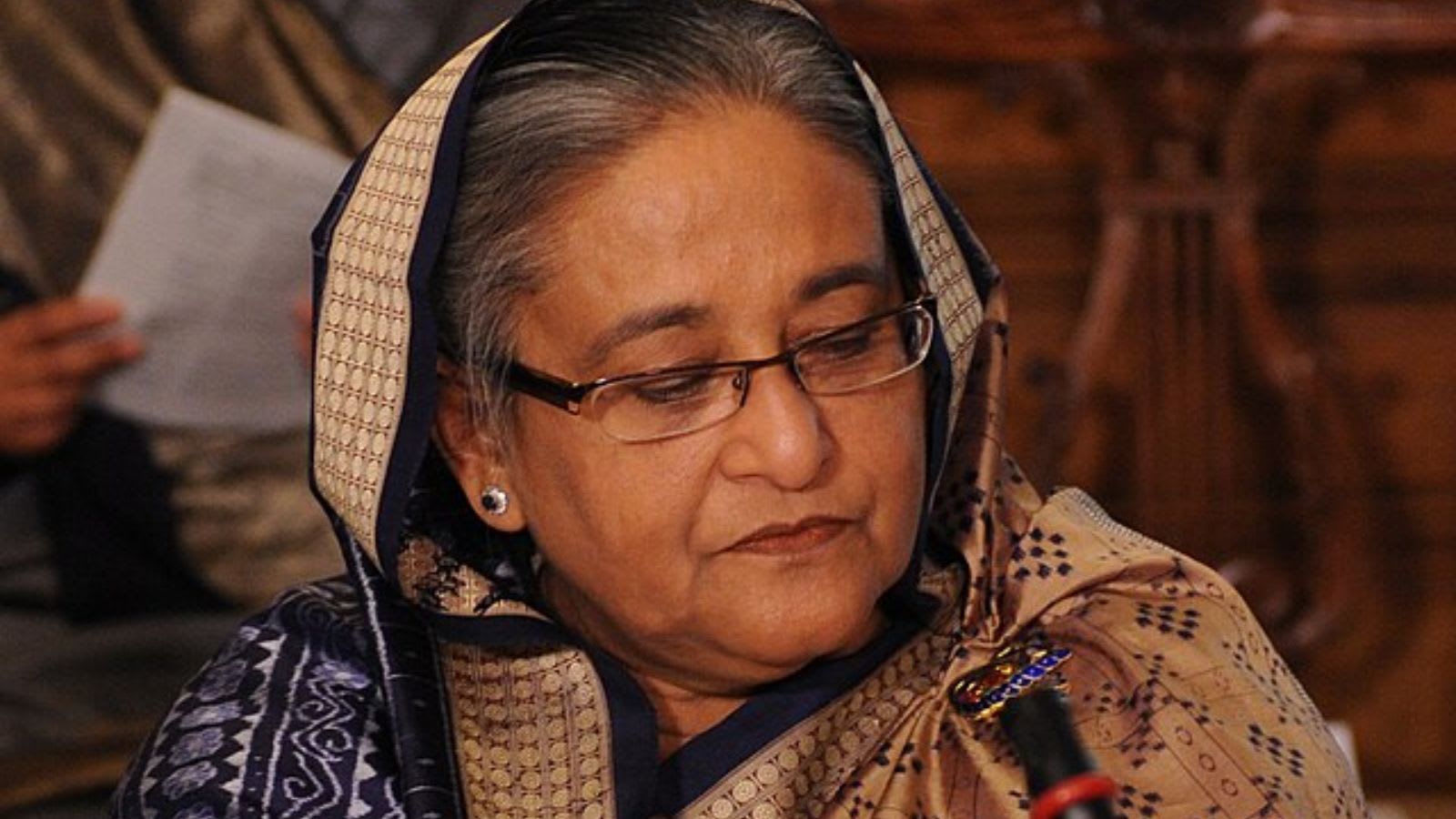
High Commissioner Dinesh Trivedi is navigating diplomatic friction between India and Bangladesh following Sheikh Hasina's ouster and recent media activity. Ongoing tensions regarding Hasina's presence in India are expected to be addressed in upcoming high-level talks between PM Modi and Tarique Rahman.
Diplomatic Tensions: The Hasina Factor in India-Bangladesh Relations
The current geopolitical landscape between India and Bangladesh has become increasingly complex following the ouster of former Prime Minister Sheikh Hasina in August 2024. Hasina, who currently resides in India, finds herself at the center of a volatile diplomatic standoff. With her Awami League party officially banned in Bangladesh and a death sentence looming over her head, her continued presence in India serves as a significant friction point for the interim administration in Dhaka.
The Catalyst: Media Presence and Diplomatic Outrage
Recent tensions were exacerbated by a virtual press conference held by Hasina in Delhi. The Bangladeshi government expressed formal 'outrage' regarding the event, viewing it as a provocative act that challenges their domestic political stability. While the Indian Ministry of External Affairs (MEA) has distanced itself from the event, clarifying that they do not endorse the platforming of such political activities, the incident highlights the delicate balancing act India must perform as a host to a former head of state who is now a political pariah in her home country.
Strategic Outreach and the BRICS Dimension
Amidst this backdrop, High Commissioner Dinesh Trivedi is engaging in active diplomacy to stabilize the bilateral relationship. Reports suggest that Trivedi may meet with the Bangladeshi leadership to facilitate an invitation to the BRICS forum. By leveraging multilateral platforms like BRICS, India aims to provide a neutral ground for dialogue, shifting the focus from the polarized domestic politics of Bangladesh toward shared regional economic and strategic interests.
The Road to High-Level Reconciliation
High Commissioner Trivedi has emphasized that the path to normalcy lies in a scheduled meeting between Prime Minister Narendra Modi and his Dhaka counterpart, Tarique Rahman. This summit is viewed as a crucial mechanism to 'iron out' the existing grievances. For India, the objective is to maintain regional stability and preserve long-standing ties, even as the internal political structure of Bangladesh undergoes a radical transformation following the Awami League's collapse.
Historical Context and Future Implications
The historical relationship between India and the Awami League has been deep-rooted, but the current political vacuum in Bangladesh necessitates a pragmatic pivot. The ban on the Awami League signifies a total rejection of the previous administration's legacy, forcing India to engage with the new political reality in Dhaka. The success of the upcoming Modi-Rahman talks will likely determine whether India can maintain its influence in the region or if the diplomatic rift will widen, potentially inviting greater influence from other regional powers.
Conclusion: Navigating a New Reality
Ultimately, the situation remains fluid. While the immediate focus is on managing the fallout from Hasina’s media activity, the long-term goal for both nations is to prevent bilateral relations from collapsing. By facilitating high-level communication and pursuing multilateral engagement, India is attempting to steer the relationship toward a sustainable future, despite the heavy burden of the recent political upheaval in Bangladesh.