Trump says US 'low-keying' talks with Iran amid deadlock on Hormuz: 'Will work out, it's like chess game'
Source Entity
Latest News: Todays Latest News Headlines from India & World | Hindustan Times | Hindustan Times
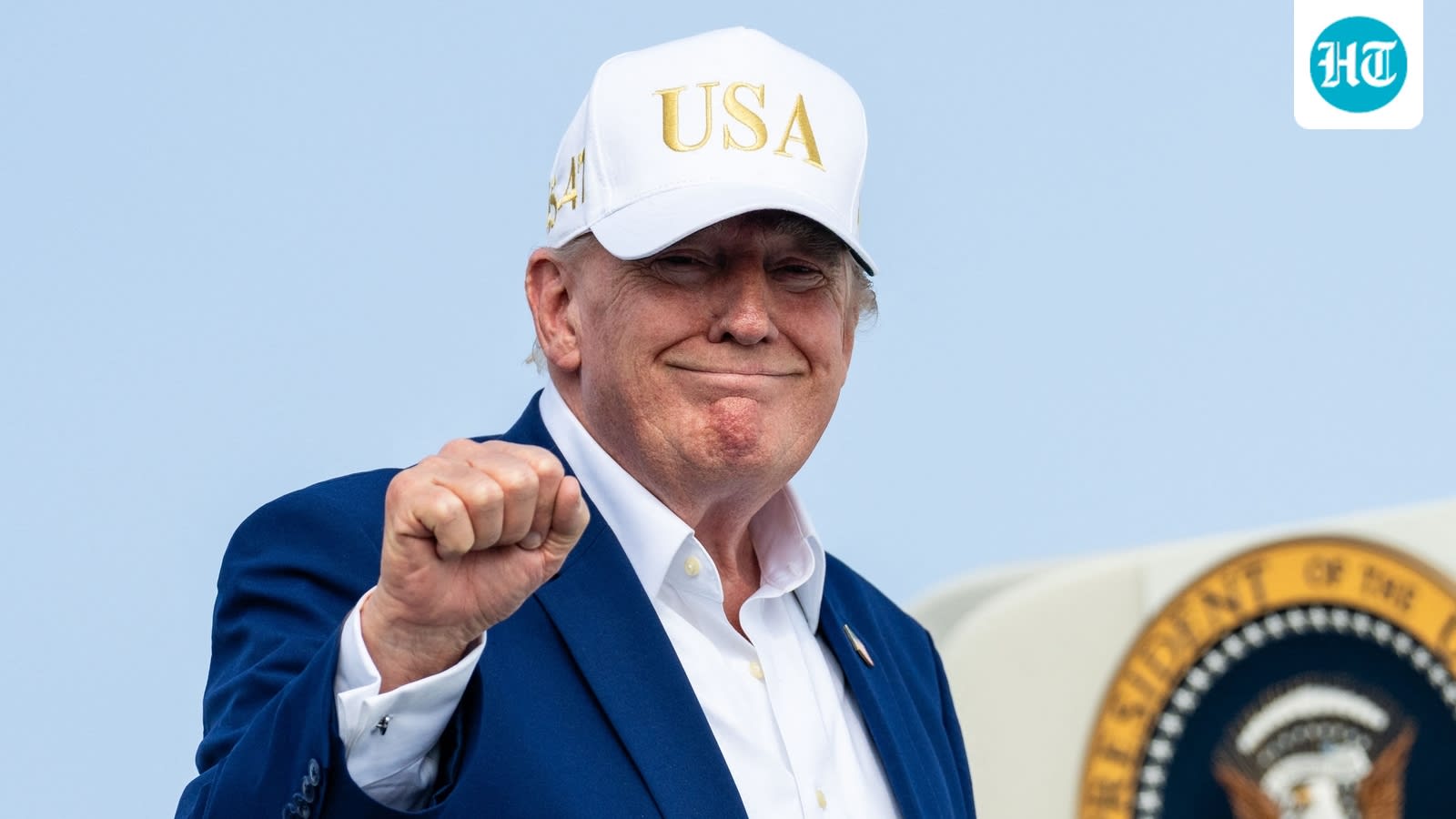
President Trump is reportedly considering pivoting his Iran strategy away from a comprehensive nuclear deal toward securing the Strait of Hormuz. This shift emphasizes economic pressure over military action, acknowledging the strategic leverage Iran holds over global shipping lanes.
Strategic Pivot: The Shifting Priorities of US-Iran Policy
Recent reports indicate a significant evolution in the Trump administration's approach to the Islamic Republic of Iran. While the initial diplomatic and military focus centered primarily on curbing Iran’s nuclear ambitions, the White House is now reportedly considering a strategic pivot. President Trump has been engaged in discussions with senior aides regarding the possibility of declaring a form of victory without the prerequisite of a formal nuclear agreement, signaling a potential move toward more pragmatic, albeit limited, objectives.
The Strategic Importance of the Strait of Hormuz
The Strait of Hormuz serves as a critical artery for global energy markets, and it has increasingly become the primary point of friction between Washington and Tehran. As the administration evaluates its options, the focus has shifted toward the restoration and protection of commercial shipping through this vital maritime chokepoint. By prioritizing the freedom of navigation, the U.S. aims to neutralize one of Iran’s most potent forms of geopolitical leverage, which the regime has effectively utilized to exert pressure on the international community.
Economic Pressure as the Primary Tool
Moving away from the prospect of direct military confrontation, the administration has signaled a preference for a "low key" approach. This strategy relies heavily on the continuation and intensification of economic pressure rather than kinetic military operations. By utilizing sanctions and financial isolation, the U.S. attempts to force Iranian compliance through structural economic strain, a tactic that avoids the immediate risks associated with a full-scale armed conflict while maintaining a posture of strength.
Challenges to a New Framework
Despite the desire for a simplified objective, the path forward remains fraught with difficulty. Tehran’s recent demands to reopen and control access to the Strait of Hormuz have complicated the U.S. administration's efforts to reach a manageable resolution. These new demands demonstrate that Iran is aware of its strategic advantage, making it increasingly difficult for the U.S. to define a clean "victory" that does not include concessions on nuclear proliferation or regional influence.
Future Implications for Middle East Stability
The shift toward prioritizing maritime security over nuclear containment represents a fundamental recalibration of U.S. regional policy. If the administration successfully transitions to this narrower goal, it may signal a long-term acceptance of a containment strategy that avoids regime change or total disarmament. However, the unpredictability of regional actors and the volatility of the Strait of Hormuz suggest that this "low key" stance will be constantly tested by the realities of power projection in the Persian Gulf.
Conclusion
In summary, the reported move by the Trump administration to prioritize the Strait of Hormuz over a nuclear deal reflects a pragmatic adjustment to the limits of diplomatic and military coercion. While economic pressure remains the primary instrument of policy, the ongoing tension in the region highlights the difficulty of achieving a stable status quo. Whether this strategy will lead to a de-escalation or merely shift the site of future confrontations remains a central question for international security.
Multiple Citing Sources
Verification Required?