Sheikh Hasina, water & trade: Decoding the roadblocks in India-Bangladesh ties
Source Entity
KARAN MANRAL
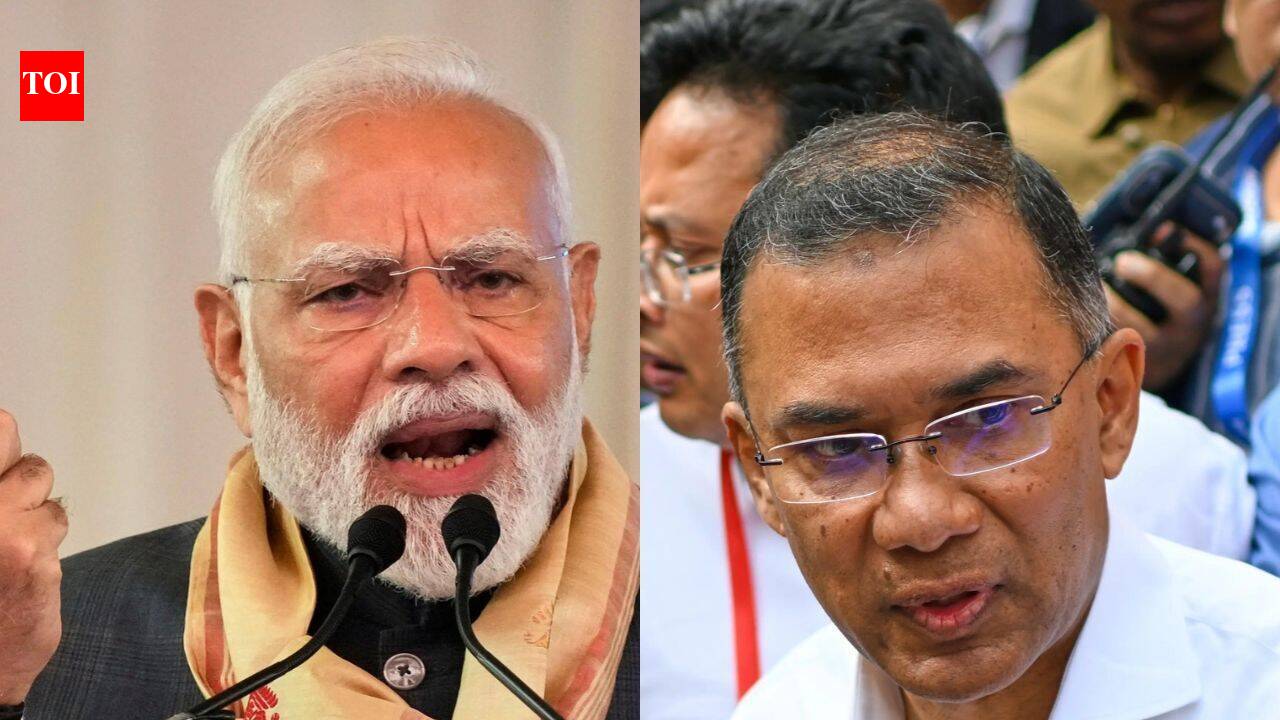
The potential extradition of former Bangladeshi Prime Minister Sheikh Hasina has become a central point of contention in India-Bangladesh relations. The issue highlights deep-seated political divisions and raises questions about future bilateral cooperation.
The Geopolitical Crossroads of India-Bangladesh Relations
The question of whether the extradition of former Bangladeshi Prime Minister Sheikh Hasina would alleviate or exacerbate diplomatic tensions between New Delhi and Dhaka represents a critical juncture in South Asian geopolitics. Following her departure from Bangladesh amidst significant civil unrest, her current status and the legal demands from the interim government in Dhaka have placed India in a complex diplomatic position. This situation is not merely a matter of legal procedure; it is a barometer for the future of bilateral relations between the two neighbors.
The Legal and Political Dilemma
At the heart of this issue lies the intersection of national sovereignty and international legal norms. For the interim government in Bangladesh, the demand for Hasina's return is framed as a matter of domestic accountability and justice. Conversely, for India, the situation involves balancing long-standing strategic partnerships with the need to navigate the volatile shifts in Bangladesh's political landscape. The request for extradition challenges the traditional framework of cooperation, forcing both nations to weigh the potential for domestic stability against the risk of regional diplomatic friction.
Historical Ties and Current Roadblocks
Historically, India and Bangladesh have maintained a relationship defined by shared borders, trade, and water-sharing agreements. However, political transitions in Bangladesh have frequently tested these bonds. The current uncertainty surrounding Hasina’s status acts as a focal point for broader grievances and political maneuvering within Bangladesh. This internal volatility directly impacts the bilateral agenda, including critical discussions on trans-boundary water management and economic trade corridors that are vital to the prosperity of both nations.
The Impact on Regional Stability
If the extradition request remains unresolved, it threatens to become a persistent roadblock that hampers progress on other essential fronts. The uncertainty creates a vacuum where populist rhetoric can overshadow pragmatic policy discussions. As India attempts to maintain its role as a stabilizing force in the region, the Hasina issue serves as a reminder of the fragility of cross-border diplomacy when domestic political shifts are radical and sudden.
Future Trends and Strategic Outlook
Looking ahead, the resolution of this impasse will likely dictate the tone of India-Bangladesh relations for the coming years. If a diplomatic pathway is found that respects both the legal requirements of the Bangladeshi judiciary and India’s strategic security interests, the relationship could stabilize. However, should the issue remain polarized, it may lead to a cooling of ties, potentially affecting trade volumes and security cooperation. Ultimately, both nations must find a middle ground that prioritizes regional connectivity and long-term economic integration over the immediate political fallout of this leadership transition.