Centre bans paraquat dichloride, a herbicide linked to thousands of self-harm, homicide and accidental deaths
Source Entity
India Latest News: Top National Headlines Today & Breaking News | The Hindu
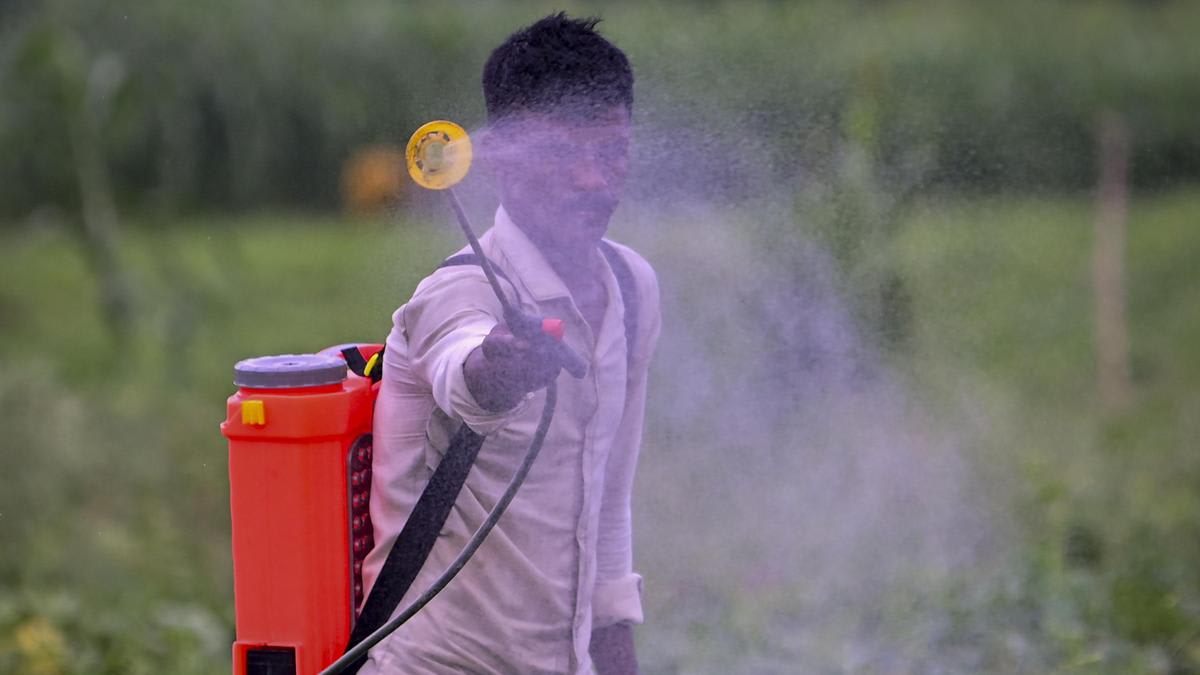
The Indian government has banned the toxic herbicide paraquat dichloride following its links to thousands of accidental and intentional deaths, joining more than 70 other countries in prohibiting the substance due to the lack of a known antidote.
India's Decisive Ban on Paraquat Dichloride: A Public Health Milestone
In a significant move to safeguard public health and reduce preventable fatalities, the Central Government of India has officially banned the use and sale of paraquat dichloride. This highly toxic herbicide, long utilized in agricultural settings for weed control, has been linked to thousands of deaths across the country. The decision marks a critical shift in India's regulatory approach to hazardous chemicals, prioritizing human life over agricultural convenience. By implementing this ban, India aligns itself with a growing global consensus that the risks associated with this specific chemical far outweigh its utility in the field.
The Lethality of Paraquat Dichloride
Paraquat dichloride is a non-selective contact herbicide, meaning it kills almost any plant it touches. However, its danger extends far beyond the botanical world. The chemical is notorious for its extreme toxicity to humans; ingestion of even small amounts can lead to rapid organ failure, specifically targeting the lungs, kidneys, and liver. The most harrowing aspect of paraquat poisoning, as highlighted in the official reports, is that there is no known antidote. Once the toxin enters the bloodstream, it causes progressive pulmonary fibrosis—a scarring of the lung tissue—which leads to respiratory failure. This clinical reality makes the herbicide an exceptionally lethal tool in cases of self-harm or homicide, as medical intervention is often limited to palliative care.
Addressing the Crisis of Self-Harm and Accidental Exposure
For years, the accessibility of paraquat in rural Indian markets has contributed to a systemic public health crisis. Because the chemical was readily available in agricultural stores, it became a common method for self-harm among distressed farming communities. Furthermore, the lack of stringent storage regulations led to numerous accidental poisonings, particularly among children and laborers. By removing this substance from the market, the government is implementing a 'means restriction' strategy—a proven public health method that reduces suicide rates by limiting access to the most lethal means. This intervention is expected to significantly lower the mortality rate associated with pesticide ingestion in rural heartlands.
Global Alignment and Regulatory Trends
India now joins a coalition of over 70 countries that have already recognized the dangers of paraquat and banned its use. The European Union, for instance, banned the substance years ago, citing not only its toxicity to humans but also its persistence in the environment. This global trend reflects a broader movement toward "Green Chemistry" and the adoption of Integrated Pest Management (IPM) strategies. India's decision indicates a maturing regulatory framework that is increasingly attuned to international safety standards and the long-term ecological impacts of chemical runoff in soil and groundwater.
Economic Transitions and Future Challenges
While the ban is a victory for health, it presents immediate challenges for the agricultural sector. Farmers who relied on paraquat for its efficacy and low cost must now transition to safer alternatives. There is a risk that a vacuum in the market could lead to the rise of illegal black markets or the adoption of other, equally dangerous, unregulated chemicals. To ensure the ban's success, the government will likely need to provide subsidies for safer herbicides and conduct widespread educational campaigns to inform farmers about sustainable weed management techniques. The transition period will be critical in preventing an economic shock to small-scale farmers.
Conclusion: Prioritizing Life Over Yield
The ban on paraquat dichloride is more than just a regulatory update; it is a moral imperative. By eliminating a substance that offers no cure once ingested, the Indian government is taking a proactive step in reducing the tragedy of preventable deaths. While the agricultural industry must adapt to the loss of this potent tool, the trade-off is a safer environment and a significant reduction in the loss of human life. Moving forward, the focus must remain on monitoring compliance and supporting the agricultural community in adopting safer, more sustainable farming practices.
Verification Required?