Count caste by all means. But abandon belief that counting settles anything
Source Entity
Surjit S Bhalla
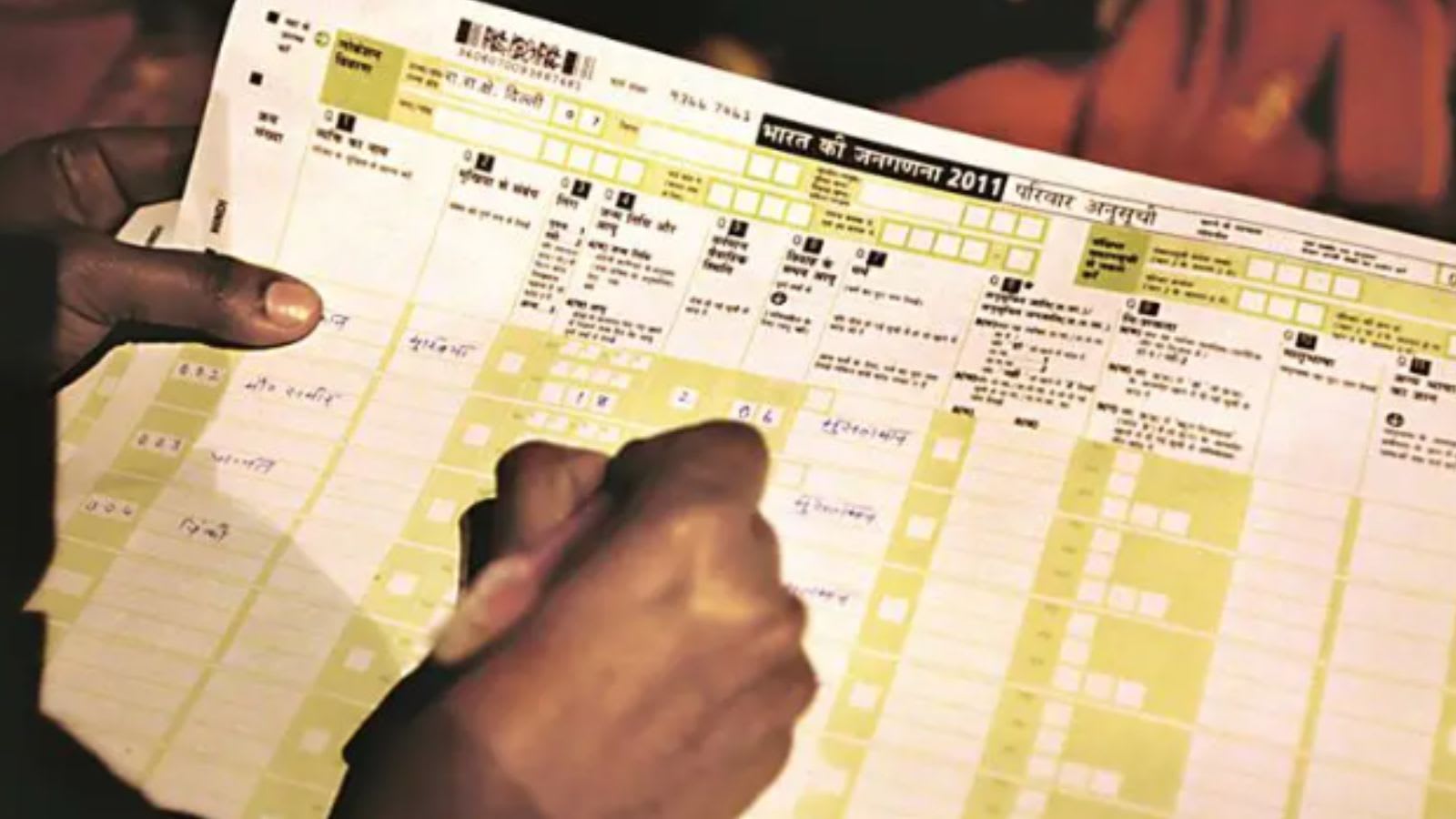
India's upcoming 2027 Census introduces significant changes, including the first nationwide caste enumeration across all communities and a new digital framework. However, the process faces intense scrutiny from activists regarding disability classification gaps and political debates over the methodology of caste data collection.
The 2027 Census: A Digital and Sociopolitical Milestone
India is preparing for its 16th Census, a landmark exercise that marks the nation's first transition to a fully digital enumeration process. Scheduled for completion in two phases—the Housing Listing Operations (HLO) and the Population Enumeration (PE)—the 2027 Census represents a significant shift in administrative policy. With the HLO nearing completion across most states, the government is poised to initiate the PE phase in February 2027, which will formally record caste identities across all communities for the first time in independent India.
The Complexity of Caste Enumeration
The decision to include caste in the 2027 Census has ignited a fierce debate regarding methodology and intent. Historically, only Scheduled Castes (SCs) and Scheduled Tribes (STs) were enumerated. Expanding this to include all communities brings to the forefront the challenges of data collection, as highlighted by critics like Yogendra Yadav. The primary concern lies in the incentive structures behind self-reporting. Previous data, such as NSS-PLFS statistics, suggests that caste identification is fluid and often driven by socio-political incentives, as evidenced by the fluctuation in the percentage of the population identifying as OBC between 1999 and 2005.
Technical Hurdles and Administrative Bias
Critics argue that the technical framework of the census may undermine its accuracy. The proposal to use a drop-down menu for caste identification, intended to solve the chaos of open-ended questioning that previously yielded millions of distinct caste names, is viewed by some as an oversimplification. There is a persistent fear that the census might suffer from the same 'nefarious' labeling that political opposition groups have already begun to attribute to the questionnaire, suggesting that the categorization process itself could be subject to political manipulation rather than objective sociological mapping.
Disability Rights and Inclusive Data
Beyond caste, the 2027 Census is facing criticism from disability rights organizations, most notably the National Platform for the Rights of the Disabled (NPRD). Activists argue that the proposed nine-category framework for counting persons with disabilities is insufficient. While the Rights of Persons with Disabilities (RPwD) Act of 2016 recognizes 21 specific disabilities, the current census proposal appears to collapse these into a much narrower set of categories. This gap in classification risks obscuring the true demographic reality of disabled citizens, potentially leading to inadequate policy interventions and resource allocation.
Implications for Future Policy
The 2027 Census will serve as the primary dataset for government planning for the next decade. By attempting to bridge the gap between historical caste-based social exclusion and modern digital administrative needs, the government is walking a fine line. If the census fails to accurately capture the nuances of disability or provides skewed caste data due to reporting incentives, the resulting policies may fail to address the systemic inequalities they are intended to resolve. The success of this census will ultimately depend on whether it can move beyond political signaling to provide a granular and accurate representation of the Indian populace.
Multiple Citing Sources