How smart systems are spurring India’s clean energy transition
Source Entity
Latest News: Todays Latest News Headlines from India & World | Hindustan Times | Hindustan Times
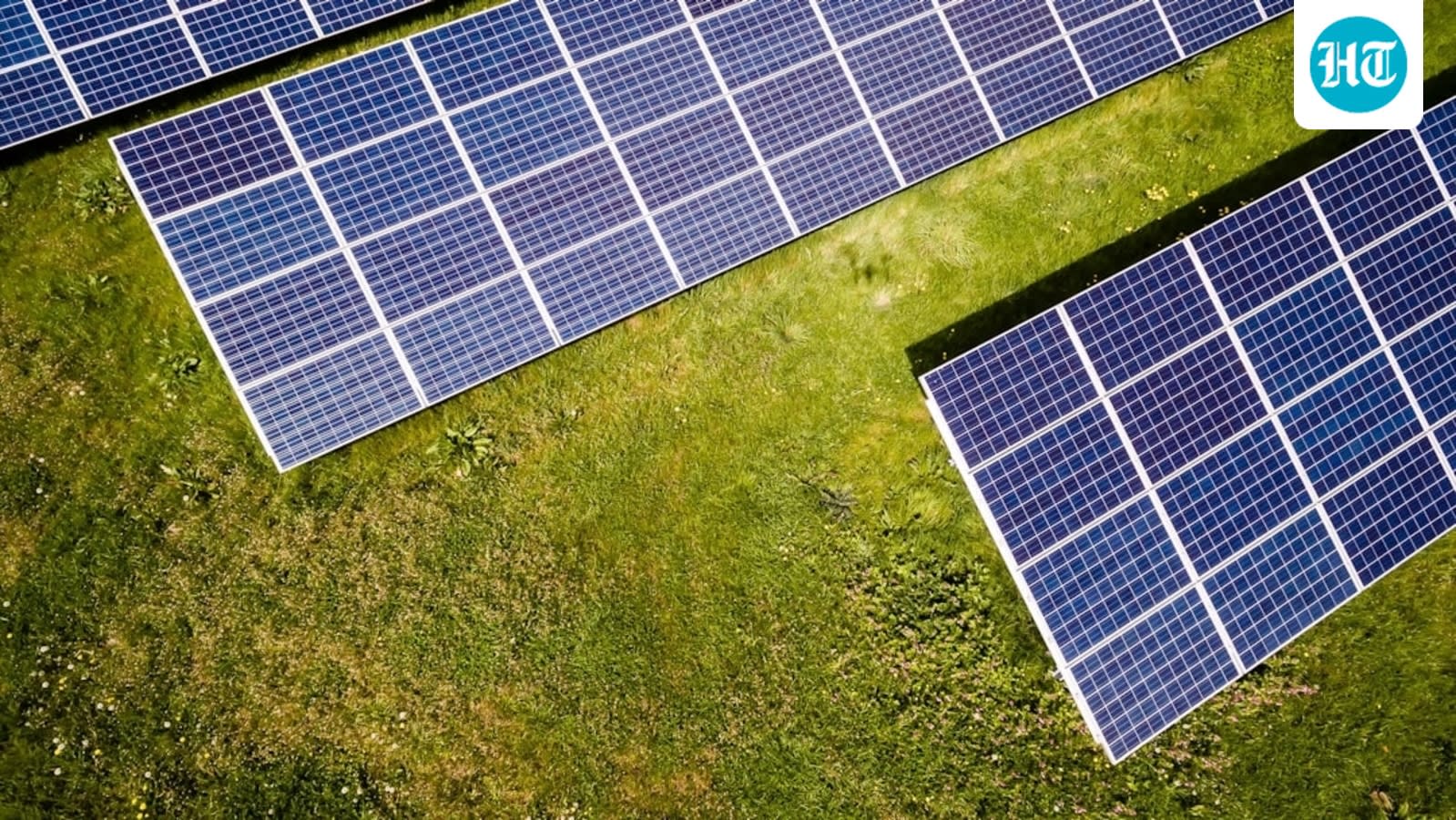
India is accelerating its transition to clean energy by targeting 500 GW of non-fossil capacity by 2030. Integrating these intermittent sources requires advanced energy storage systems to ensure grid stability and 24x7 supply.
India's Clean Energy Transition: The Role of Smart Systems
India’s energy landscape is undergoing a monumental shift as the nation accelerates toward a sustainable future. The central government has set an ambitious target of installing 500 GW of electricity generation capacity from non-fossil fuel sources by 2030. This transition is not merely a quantitative goal but a fundamental restructuring of the power grid to accommodate a cleaner energy mix.
The Challenge of Intermittency
At the heart of this transition lies the significant reliance on solar and wind power. While these sources are abundant, they are inherently variable and intermittent, meaning their output fluctuates based on environmental conditions. As Simarpreet Singh, CEO of Hartek Power, highlights, this variability poses a technical challenge for grid operators who must ensure a steady, reliable flow of electricity to consumers at all times.
The Necessity of Energy Storage Systems (ESS)
To bridge the gap between variable generation and constant demand, the integration of Energy Storage Systems (ESS) has become indispensable. ESS technology allows for the capture of surplus power during peak generation hours, which can then be dispatched during periods of low renewable output. This capability is the linchpin for achieving the goal of a 24x7 electricity supply, effectively transforming intermittent sources into reliable baseload power.
Beyond Supply: Ancillary Grid Services
Beyond simple storage, ESS provides critical ancillary services that are vital for modern grid health. According to industry insights, these systems are essential for voltage control, frequency regulation, and black-start capabilities. These functions ensure that the grid remains stable even when subjected to the rapid influx and withdrawal of power characteristic of renewable energy sources.
Strategic Planning and Future Outlook
The roadmap for this transition is clearly outlined in the 2023 National Electricity Plan published by the Central Electricity Authority (CEA), which projects a significant requirement of 208 GW of storage capacity to support the 2030 targets. This indicates that the deployment of smart systems and storage infrastructure will need to scale rapidly over the coming decade to keep pace with the aggressive expansion of renewable generation capacity.
Conclusion
In conclusion, India’s clean energy transition is moving at a brisk pace, supported by strategic policy frameworks and technical innovation. By prioritizing the integration of smart energy storage systems, the nation is positioning itself to overcome the limitations of intermittent renewable sources. Success in this endeavor will be defined by the ability to balance the rapid expansion of solar and wind assets with the necessary infrastructure to maintain a stable, 24x7, and resilient national grid.
Verification Required?