UK police scanned 500,000 faces in trial; only alert was a false match
Source Entity
TOI WORLD DESK
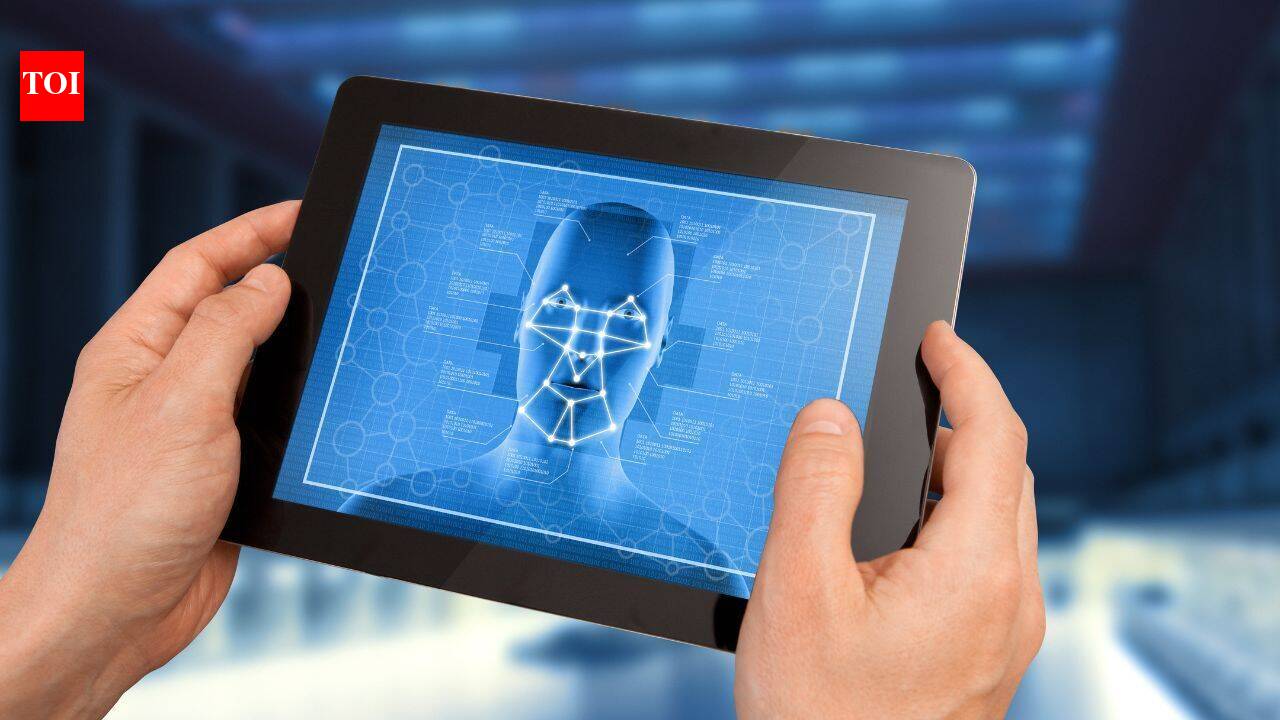
A six-month trial of live facial recognition by British Transport Police scanned 500,000 individuals but resulted in zero accurate arrests. The high cost and lack of efficacy have ignited significant debate regarding the proportionality and accuracy of surveillance technology.
The Inefficiency of Surveillance: A Critical Look at BTP's Facial Recognition Trial
Recent revelations concerning a six-month trial of live facial recognition technology by the British Transport Police (BTP) have sparked intense scrutiny regarding the efficacy of biometric surveillance. Conducted between February and July 2026, the program involved 18 separate deployments at various London railway stations. Despite a significant financial investment of £320,786, the system scanned over 500,000 faces, failing to generate a single actionable or correct alert for law enforcement.
The Failure of Precision
The most striking statistic emerging from the Liberty Investigates freedom of information request is the system's inability to identify a single genuine match from the police watchlist. The only alert generated by the system throughout the entire half-year period was identified as a false match. This outcome raises serious questions about the technical reliability of current facial recognition algorithms when deployed in high-footfall, dynamic environments like public transport hubs, where lighting conditions and crowd density often degrade performance.
Financial and Ethical Proportionality
Beyond the technical failure, the project faces criticism regarding its cost-benefit ratio. Spending over £320,000 to achieve zero successful identifications suggests a profound lack of utility for the taxpayer. Civil liberty groups, including Liberty, have long argued that such deployments are not only ineffective but disproportionate, as they subject half a million innocent commuters to biometric scanning without their explicit consent or a demonstrated increase in public safety.
The Growing Trend of Biometric Policing
This trial is part of a broader, global trend toward the normalization of live facial recognition in public spaces. Authorities often argue that such tools are essential for modern policing and catching high-risk offenders. However, the BTP trial serves as a cautionary tale: the mere presence of technology does not equate to improved security outcomes. When the software fails to distinguish between a watchlist subject and a member of the public, it risks undermining public trust in the police force.
Future Implications and Policy Direction
As the debate over surveillance continues, the BTP's experience highlights the need for more rigorous, independent oversight before these technologies are integrated into standard policing protocols. If the technology cannot provide a reliable return on investment or accurate identification, its continued use will likely face even stiffer legal and public opposition. Moving forward, policymakers must determine whether the potential risks to privacy and civil liberties are worth the price tag when the operational results are demonstrably poor.