US Government's New AI Chatbot Pulls Back From Debunking Trump
Source Entity
NDTV News Search Records Found 1000
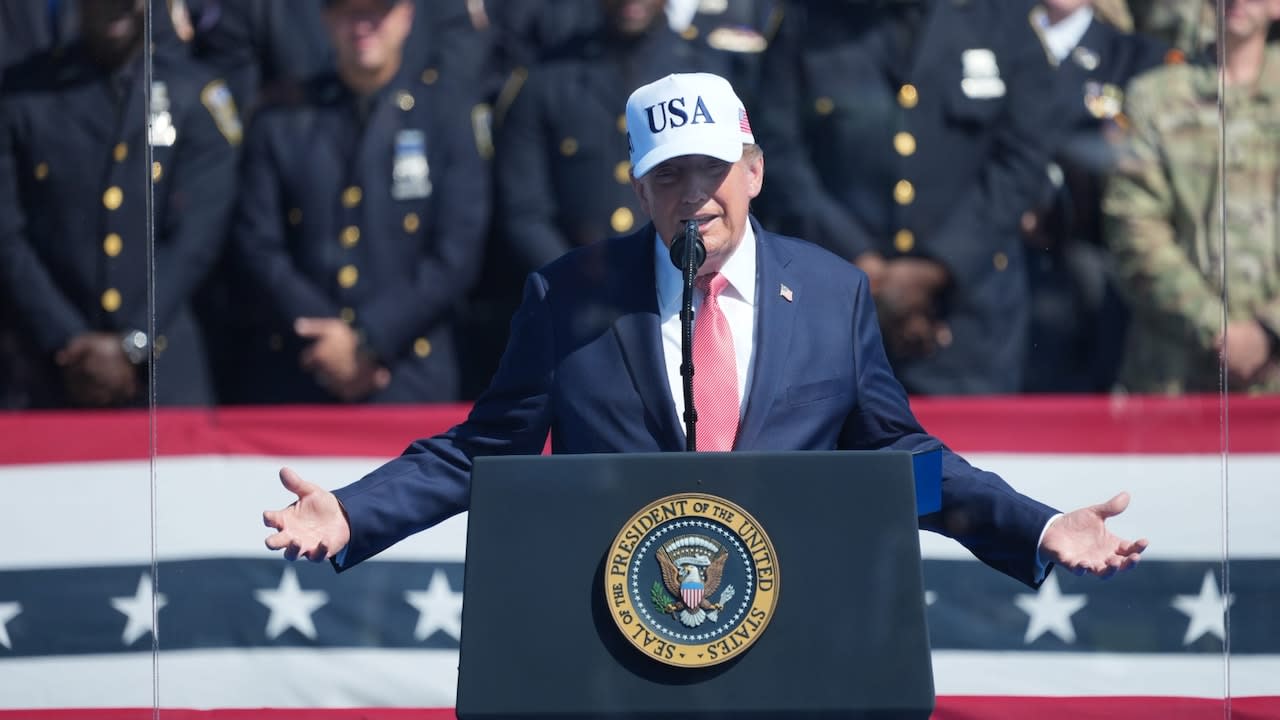
The U.S. government has adjusted its AI chatbot's functionality to avoid debunking claims made by Donald Trump. This policy shift reflects a cautious approach to political neutrality in automated public information systems.
The Intersection of AI and Political Discourse
The recent decision by the United States government to scale back its AI chatbot's ability to debunk statements made by Donald Trump marks a significant moment in the governance of emerging technology. As AI tools become integrated into federal communication strategies, the challenge of balancing factual accuracy with political neutrality has moved to the forefront of administrative policy.
Navigating the Neutrality Tightrope
By restricting the chatbot from actively debunking specific political figures, the government is attempting to mitigate accusations of institutional bias. When an AI system is programmed to verify or refute specific claims made by high-profile politicians, it risks being perceived as a partisan actor. This move highlights the inherent difficulty in training large language models to remain objective when the source material itself is a subject of intense public debate.
The Challenge of Defining 'Conspiracy'
Central to this shift is the categorization of information that falls outside mainstream consensus. When Donald Trump dismisses certain concerns as a 'conspiracy,' the AI’s previous mandate to debunk these claims placed it in direct opposition to a political narrative. This friction underscores the technological limitation of AI: while models are excellent at aggregating data, they struggle to navigate the subjective nature of political rhetoric and the nuances of public perception.
Broader Implications for Federal AI
The shift signals a broader trend in how federal agencies might deploy AI in the future. Rather than serving as an arbiter of truth, government-backed AI tools may be steered toward providing neutral, policy-based information rather than engaging in fact-checking specific political figures. This precautionary approach aims to preserve the utility of the technology while preventing it from becoming a flashpoint in the culture wars.
Historical Context and Future Trends
Historically, the U.S. government has maintained a separation between official communication channels and political debate. The integration of AI into these channels complicates this separation. Looking ahead, we can expect future iterations of government AI to include strict guardrails that prioritize 'safe' information retrieval, effectively avoiding volatile topics to maintain operational longevity and public trust.
Conclusion
The decision to limit the AI's debunking capacity is a strategic retreat from the complexities of political verification. By avoiding direct confrontation with political rhetoric, the government is prioritizing the survival of its AI initiatives over the role of digital fact-checker. This evolution represents a pivotal lesson for developers and policymakers: technical accuracy must be balanced against the political realities of the environment in which the tool operates.
Verification Required?